
Guarda, Graubünden — historic village in Switzerland
Guarda is a small, historic village in the Inn district of Graubünden, Switzerland. Formerly an independent municipality, it joined Scuol on 1 January 2015. Noted for Romansh culture and well-preserved alpine architecture.
Guarda is a mountain village in the Swiss Alps that for many years functioned as an independent municipality in the Inn district of the canton of Graubünden (Graubünden), in Switzerland. It occupies a scenic position in the upper valley of the River Inn and is valued for its traditional character, rural setting and cultural resilience.
Image gallery
7 Images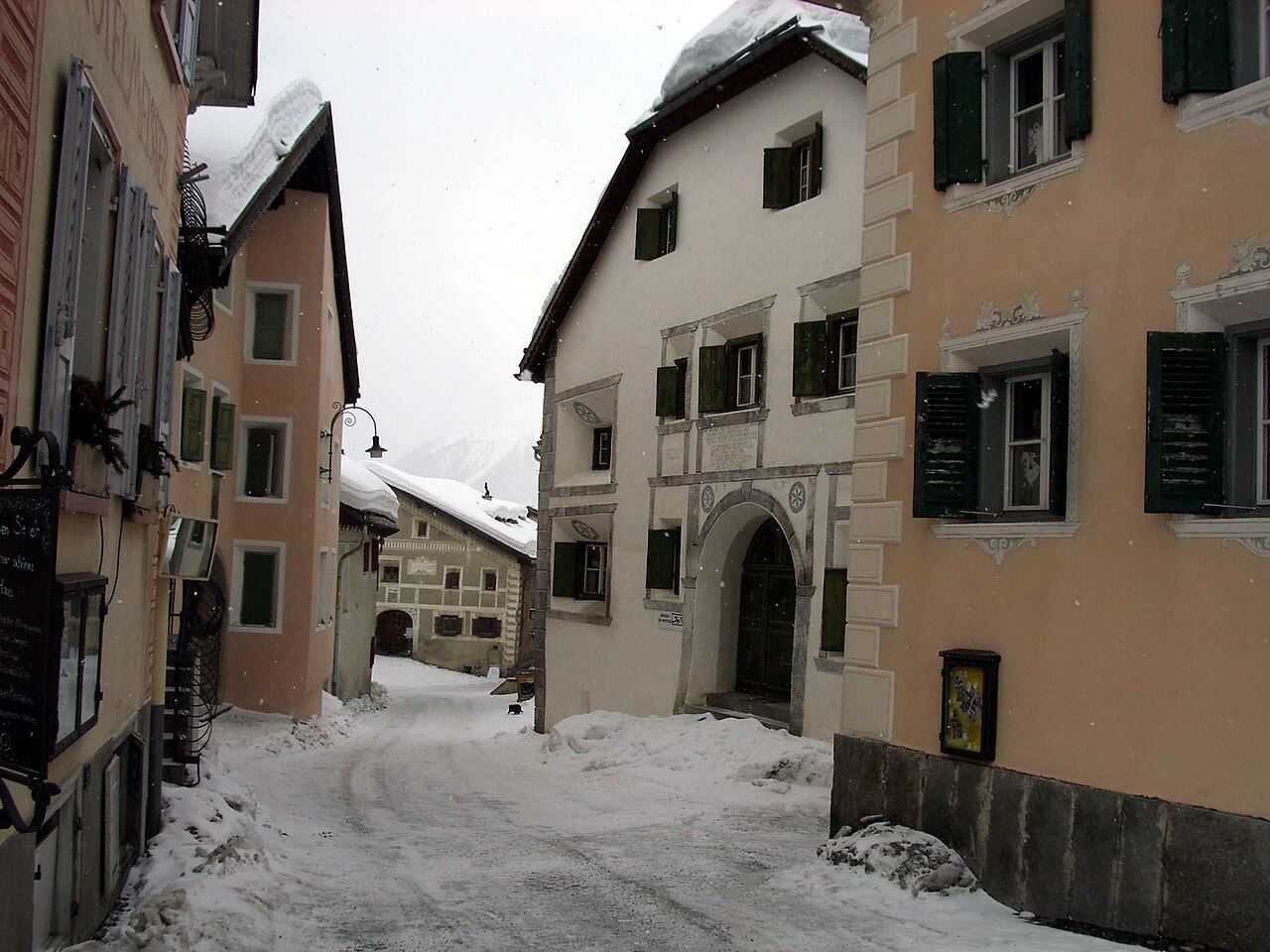



Overview and setting
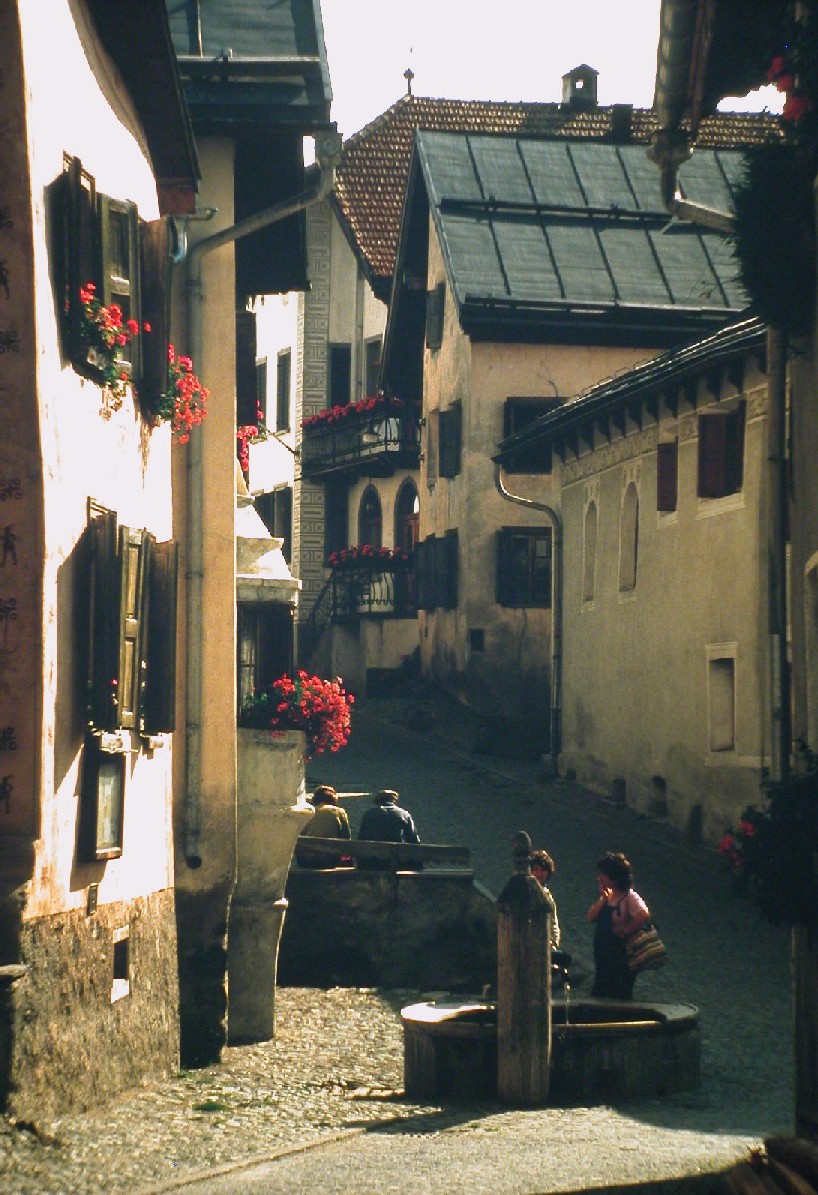
The village is typical of high-Alpine settlements in this part of the Eastern Alps: narrow lanes, compact building clusters and houses that reflect regional styles. Agriculture, seasonal tourism and mountain recreation have long shaped local life. Nearby trails and passes make the area attractive to hikers and visitors seeking an authentic village atmosphere away from larger resort centres.
History and administration
Administratively Guarda retained municipal status until a reorganization in the first decades of the 21st century. On 1 January 2015 the former municipalities of Ardez, Ftan, Guarda, Tarasp and Sent were merged into the larger municipality of Scuol, creating a single administrative unit intended to streamline services and planning.
Language, culture and architecture
Guarda is part of a region where Romansh—the indigenous Romance language of the area—coexists with German and other languages. The village is known for well-preserved houses with decorated facades and traditional fittings; local festivals, craft practices and culinary customs help maintain a distinct cultural identity that appeals to scholars and visitors alike.
Importance and visitor information
- Heritage value: a good example of an alpine settlement with continuity of traditional building forms.
- Outdoor access: serves as a base for walking, snowshoeing and exploring the surrounding Engadine landscape.
- Administration: since 2015 part of the municipality of Scuol, which manages local services and tourism coordination.
While small in size, Guarda represents a widely appreciated facet of Swiss mountain culture: the persistence of local language and architecture within a changing administrative framework. For more local details consult municipal or regional guides and official sources.
Related articles
Author
AlegsaOnline.com Guarda, Graubünden — historic village in Switzerland Leandro Alegsa
URL: https://en.alegsaonline.com/art/41182