
Guasila — Town and Municipality in Sud Sardegna, Sardinia
Guasila is a small town and comune in the Province of Sud Sardegna, Sardinia, Italy. It covers 43.51 km², sits at 210 m elevation and had 2,676 residents in 2016.
Overview
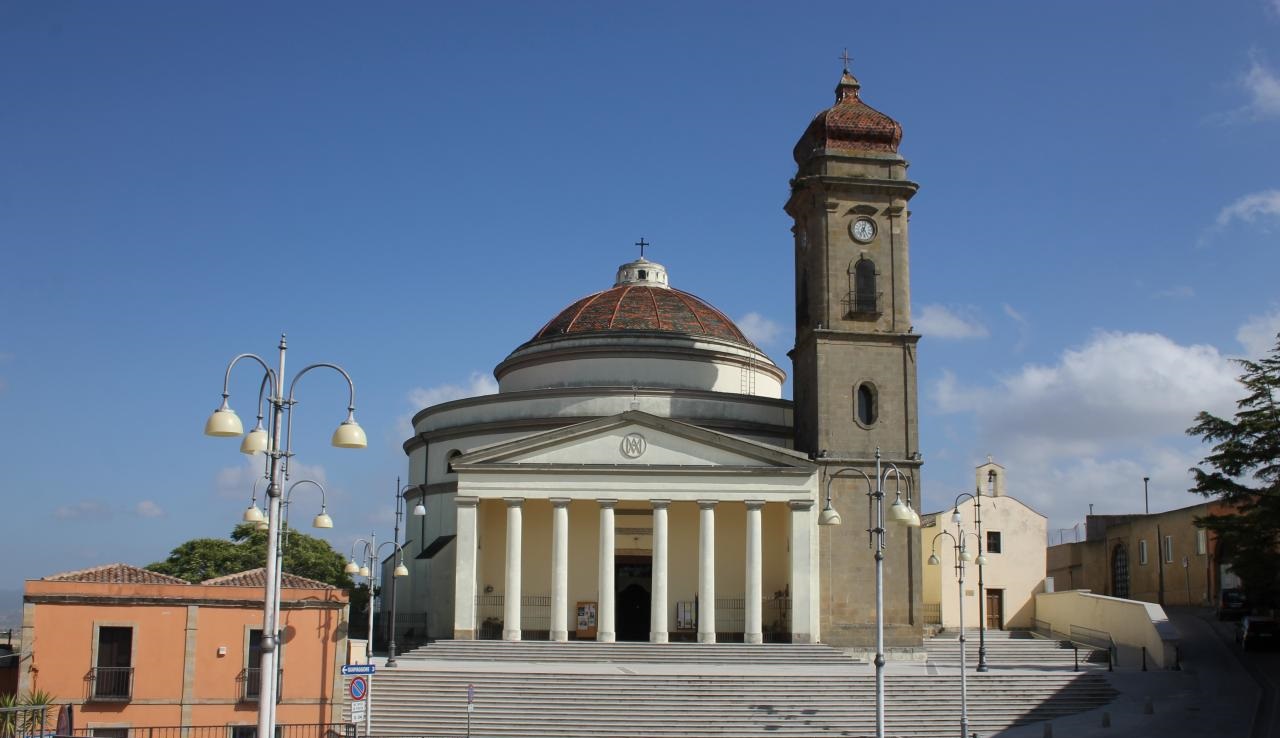
Guasila (also rendered Guasìba or Guasìlla) is a small town town and comune in the Province of Sud Sardegna on the island of Sardinia, Italy. It occupies an area of about 43.51 km² and lies approximately 210 metres above sea level. According to official figures from 2016, the resident population was 2,676. The settlement is characteristic of many inland Sardinian communities: compact historic centers surrounded by agricultural land.
Image gallery
2 Images
Geography and demographics
Guasila is situated in south-central Sardinia within a landscape of rolling hills and cultivated plains. The local climate is Mediterranean, with warm summers and mild, wetter winters. The municipality’s modest population density reflects rural land use: vineyards, olive groves and cereal fields are common in the surrounding countryside. Like many small Sardinian towns, Guasila has seen slow demographic change in recent decades, influenced by migration to larger urban areas.
History and name
The name Guasila has variants in the Sardinian language and reflects the island’s long history of Nuragic, Phoenician, Roman and medieval influences. The broader region contains archaeological traces typical of Sardinia’s ancient past, and the town’s built fabric includes a traditional central piazza and parish church that anchor community life.
Economy, culture and services
The local economy is predominantly agricultural with small businesses and services that support daily life. Cultural life emphasizes Sardinian traditions: language, cuisine and seasonal religious celebrations shape the communal calendar. Municipal services include basic education, local administration and road links to nearby municipalities.
Administration and transport
- Governance: administered as a comune within the Province of Sud Sardegna.
- Transport: road connections provide access to regional centers; public transport is limited, typical for rural areas.
Notable for visitors are the opportunity to experience rural Sardinian life, local culinary specialties, and the surrounding landscape that typifies the interior of the island. For further official and practical information, consult municipal resources or regional guides provided by local authorities.
Related articles
Author
AlegsaOnline.com Guasila — Town and Municipality in Sud Sardegna, Sardinia Leandro Alegsa
URL: https://en.alegsaonline.com/art/41192
Sources
- demo.istat.it : "Popolazione Residente al 1° Gennaio 2018"
- demo.istat.it : Istituto Nazionale di Statistica - Bilancio demografico al 30/11/2016