
Guarujá — coastal city and beach resort on São Paulo's coast
Guarujá is a coastal municipality on Santo Amaro Island in the state of São Paulo, Brazil, known for its beaches, tourism-driven economy and proximity to the port and city of Santos.
Overview
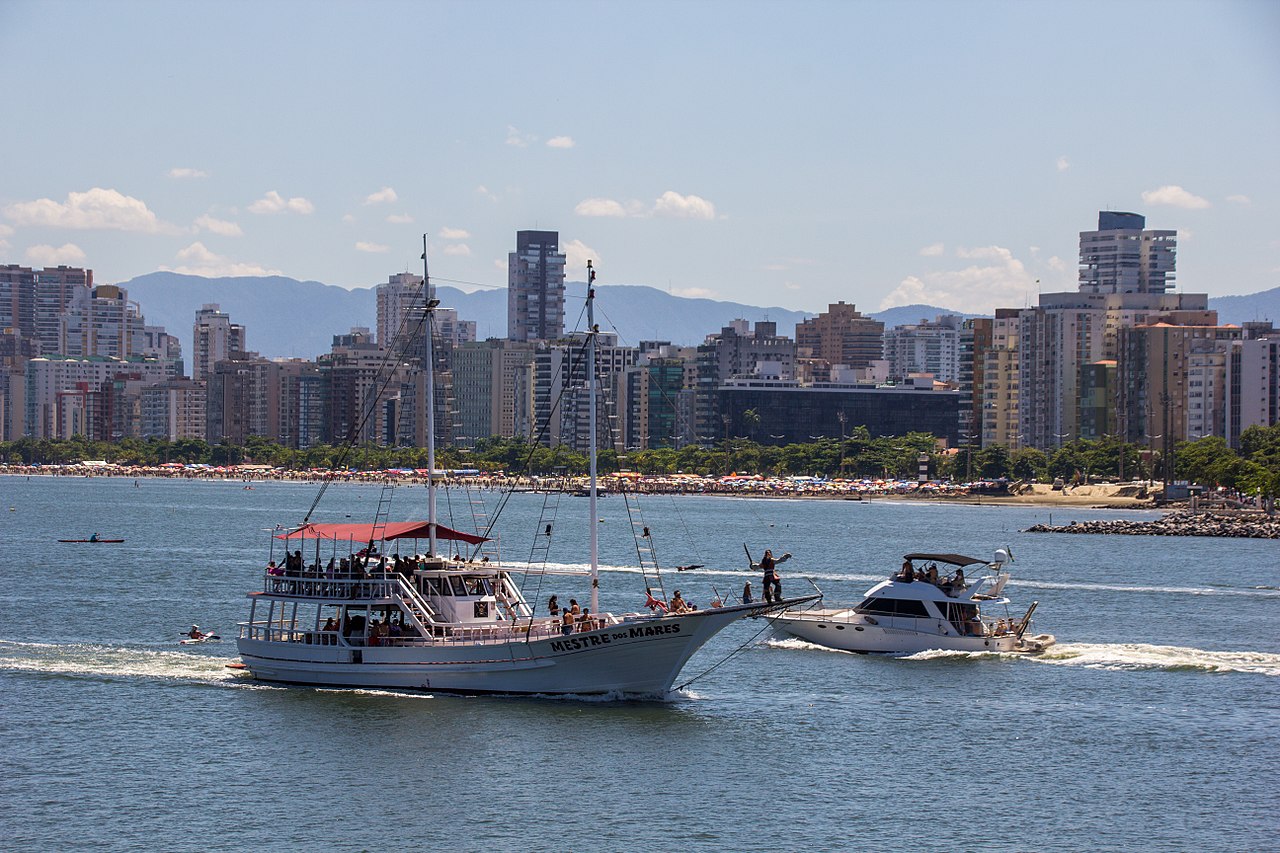
Guarujá is a coastal city located on the island of Santo Amaro in the Baixada Santista region of the state of São Paulo. Part of the larger metropolitan area that includes Santos, it is a well known destination for domestic tourism in Brazil. The municipality combines urban neighbourhoods, tourist infrastructure and stretches of Atlantic coastline; its population is commonly cited at about 311,000 residents.
Image gallery
10 Images




Geography and environment
The city occupies a largely insular landscape of beaches, cliffs and coastal vegetation. Remnant fragments of the Atlantic Forest and coastal restinga are present near urban zones, while marine influences shape local climate and landforms. Environmental management and coastal erosion are recurring planning topics as development and seasonal visitor numbers grow.
Beaches and tourism
Tourism is central to Guarujá's identity. A mix of family-friendly and surf-oriented beaches attract visitors especially during the Southern Hemisphere summer. Prominent beaches include:
- Enseada — a long waterfront with promenades and dense tourist services
- Pitangueiras — central beach known for accessibility and nightlife
- Pernambuco — valued for its scenic cliffs and clearer waters
- Tombo — popular with surfers for its stronger waves
Economy and transport
Beyond tourism, the local economy includes commerce, real estate and small-scale fishing. Guarujá benefits from proximity to the Port of Santos and the industrial hubs of the São Paulo coast, which support employment and logistics. Transport connections include coastal road links and ferry services that facilitate travel to nearby cities, making the municipality a frequent weekend destination for residents of the metropolitan region.
History, culture and notable facts
The settlement grew from colonial-era coastal activity to a modern resort city. Its name derives from indigenous Tupi–Guarani languages, reflecting the region's pre-colonial heritage. Cultural life mixes beach-oriented leisure, seasonal events and local gastronomy based on seafood. Guarujá is often mentioned in discussions about sustainable coastal development because of the balance it must strike between visitor demand and conserving fragile ecosystems.
Related articles
Author
AlegsaOnline.com Guarujá — coastal city and beach resort on São Paulo's coast Leandro Alegsa
URL: https://en.alegsaonline.com/art/41190
Sources
- tripsavvy.com : "Enjoy One of the Top Beaches in Brazil"