
Guadalajara: Mexico’s Cultural and Economic Hub in Jalisco
Guadalajara is a major Mexican city in western Jalisco, known for its cultural traditions (mariachi, folklórico), industry, technology cluster, and historic ties to Spain. It hosted the 2011 Pan American Games.
Overview
Guadalajara is a large city in Mexico and the capital of the state of Jalisco. With a metropolitan population of several million, it ranks among the country’s most populous urban areas and is widely regarded as a major Latin American center for culture, trade and industry. The city blends longstanding traditions with modern economic activity, making it an influential regional capital.
Image gallery
3 Images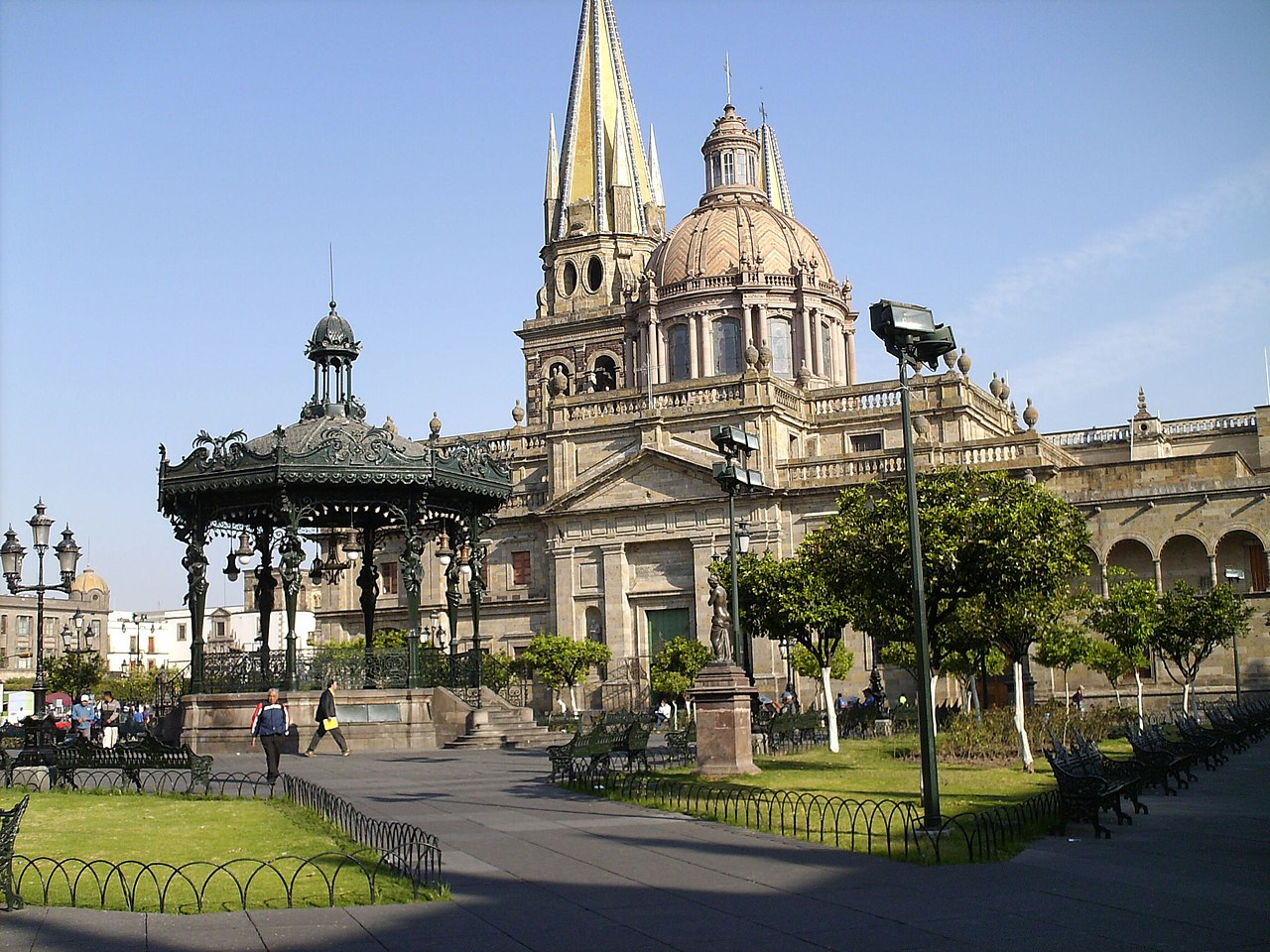


Geography and climate
Situated in western Mexico at an elevation of roughly 1,500 metres, Guadalajara lies on a high inland basin that moderates temperatures compared with lowland regions; nights can be noticeably cooler than days. Its setting influences local weather, urban development and agriculture in surrounding areas. The city serves as a transportation hub for Jalisco and the larger region, with an international airport and major highways linking it to other Mexican cities and the Pacific coast.
History and name
Guadalajara was established in the colonial era by Spanish settlers and takes its name from the city of Guadalajara in Spain. Over centuries it grew from a provincial colonial town into a provincial capital and then into the industrial and cultural center it is today. Historical neighborhoods and colonial-era architecture survive alongside contemporary development, reflecting the layered history of the city.
Culture and arts
The city is a focal point for several cultural traditions closely associated with Mexico’s national identity. Guadalajara and the surrounding region are closely identified with:
- Mariachi music and ensembles, a popular folk tradition often performed at festivals and public events; mariachi is one of the cultural elements most commonly linked to the city.
- Baile Folklórico and traditional dance troupes that present regional choreography and costumes.
- Large cultural gatherings such as international book fairs, film festivals and music events that attract visitors and artists from across Latin America and beyond.
Economy, industry and innovation
Guadalajara combines manufacturing, services and a growing technology sector. The metropolitan area hosts electronics and automotive suppliers, software firms and a cluster of startups and multinational R&D operations—sometimes described in media and investment circles as a major Mexican technology hub. Tourism, higher education and cultural industries also contribute significantly to the local economy.
Sports, events and distinctions
The city is home to prominent sports teams, including the professional football club commonly known as Chivas Guadalajara, and it has hosted international sporting events such as the 2011 Pan American Games. Guadalajara has been recognized for cultural initiatives (for example, it held the title of “City of Culture” in the mid-2000s) and periodic municipal proposals have explored bids for larger international events.
Why Guadalajara matters
Guadalajara serves as a bridge between Mexico’s cultural past and its contemporary economic ambitions. Its music, dance and festivals make it a focal point for Mexican identity, while its industries, universities and technology clusters position it as an important node in Mexico’s modern economy. For visitors and residents alike, the city offers a mix of historic neighborhoods, lively public arts and a dynamic urban life rooted in Jalisco’s traditions.
For further regional context and travel resources, see general information about Mexico and Jalisco via the links included above.
Mexico general info | Jalisco state | Elevation and geography | Latin America urban centers | Mariachi tradition | Guadalajara, Spain
Related articles
Author
AlegsaOnline.com Guadalajara: Mexico’s Cultural and Economic Hub in Jalisco Leandro Alegsa
URL: https://en.alegsaonline.com/art/41131