
Grypania: an early tube-like fossil and its scientific significance
Grypania is a Proterozoic tubular fossil, possibly the oldest known eukaryotic alga; its age, morphology and interpretation remain debated and important for understanding early multicellular life.
Grypania is an enigmatic, ribbon- or tube-shaped fossil first recognized in Proterozoic rocks. Its distinctive flattened, coiled appearance and comparatively large size have made it a focal point in discussions about the emergence of complex cells and multicellular life. Many authors treat Grypania as a candidate for an early eukaryote, but its biological affinities remain uncertain.
Image gallery
2 Images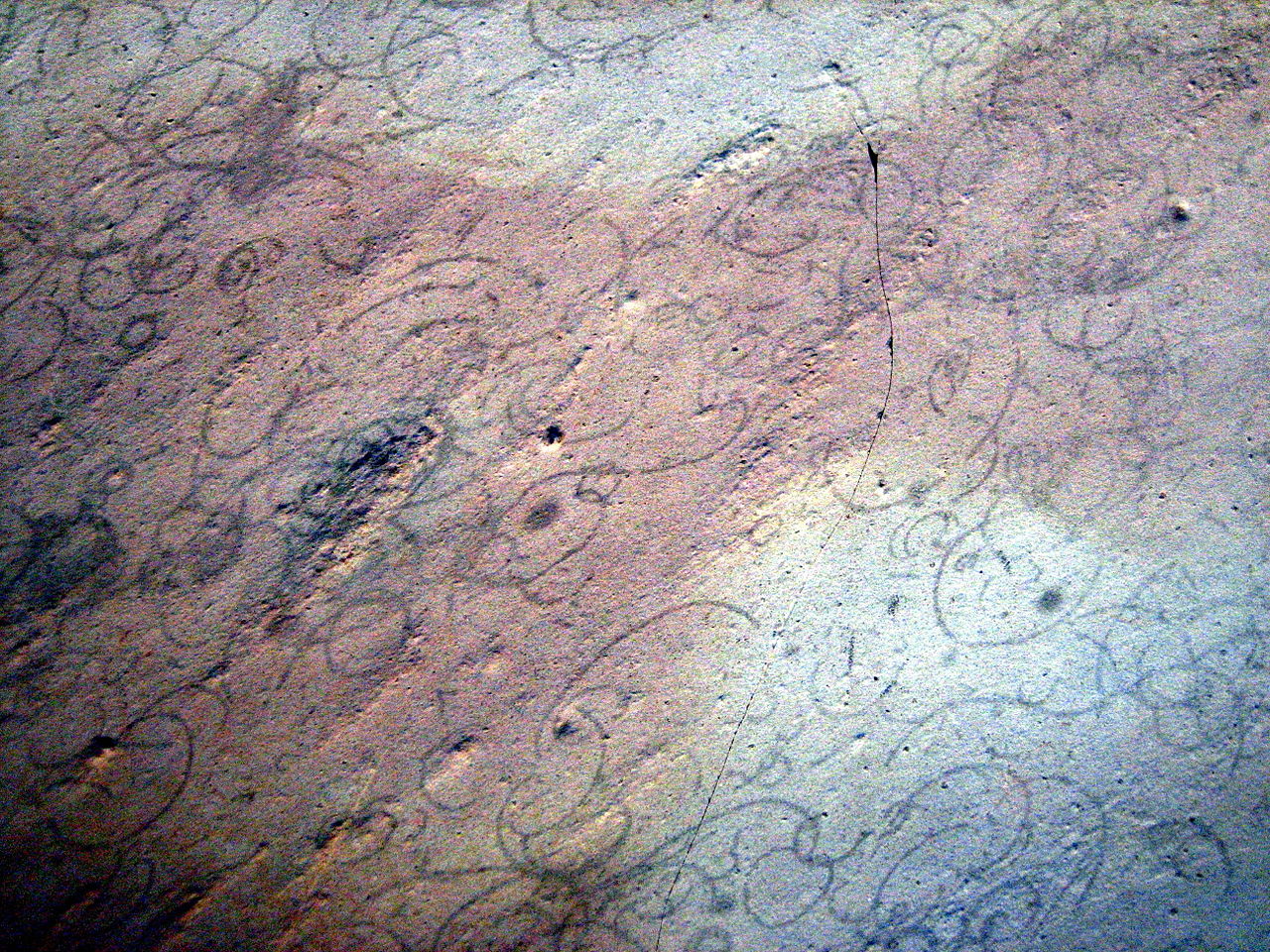

Morphology and characteristics
Fossil specimens typically show a long, ribbon-like form that can be single, coiled or gently curved. Width commonly exceeds one centimetre, and the preserved remains often lack fine internal detail. Key observable traits include:
- a continuous, often coiled ribbon or tube outline;
- consistent thickness and curvature across multiple specimens;
- preservation as carbonaceous compressions rather than mineralized shells.
Geological record and dating
Grypania is found in rocks of the Proterozoic eon. Some of the oldest widely discussed specimens were collected from an iron mine near Negaunee, Michigan; those were originally interpreted as about 2.1 billion years old but later work revised the age to roughly 1.87 billion years (dating studies). Similar forms have been reported from other Proterozoic deposits, and the genus persists into the Mesoproterozoic in some sequences.
Interpretations and significance
The biological identity of Grypania is debated. Its size and repetitive form suggest a eukaryotic alga to many researchers, because most bacteria are smaller and lack consistent macroscopic morphology. However, alternative interpretations include large single-celled bacteria or organized bacterial colonies. Until cellular or biochemical features are preserved, Grypania’s status as the earliest known eukaryote remains plausible but not conclusively proven.
Why Grypania matters
Regardless of its precise classification, Grypania is important because it provides a record of large, organized biomass in the deep past. Its presence in well-dated Proterozoic strata sets constraints on the timing of evolutionary innovations such as size increase, multicellularity and possible eukaryotic organization. Ongoing studies of sedimentary context, taphonomy and new localities continue to refine its age and interpretation.
For further geological context and regional occurrences see local stratigraphic summaries and dating studies, including the early reports from Negaunee, Michigan (regional site) and broader reviews of Proterozoic fossils (chronology sources, Mesoproterozoic summaries).
Related articles
Author
AlegsaOnline.com Grypania: an early tube-like fossil and its scientific significance Leandro Alegsa
URL: https://en.alegsaonline.com/art/41119
Sources
- sciencemag.org : sciencemag.org/content/257/5067/232
- rstb.royalsocietypublishing.org : rstb.royalsocietypublishing.org/content/361/1470/1023
- cjes.geoscienceworld.org : cjes.geoscienceworld.org/content/39/6/999.abstract