
Growth ring: structure, interpretation, and uses in biology and chronology
Growth rings are concentric layers produced during periodic growth in trees, corals, shells and some other organisms; they record age and environmental history and support dating and climate studies.
Overview
Growth rings are visible concentric layers formed by periodic growth in plants and some animals. Most familiar are the rings in the trunks of woody plants, but similar banding occurs in corals, mollusc shells and other hard tissues. Observing and measuring these rings can indicate how long an organism lived and provide a record of past environmental conditions.
Image gallery
8 Images


Structure and formation
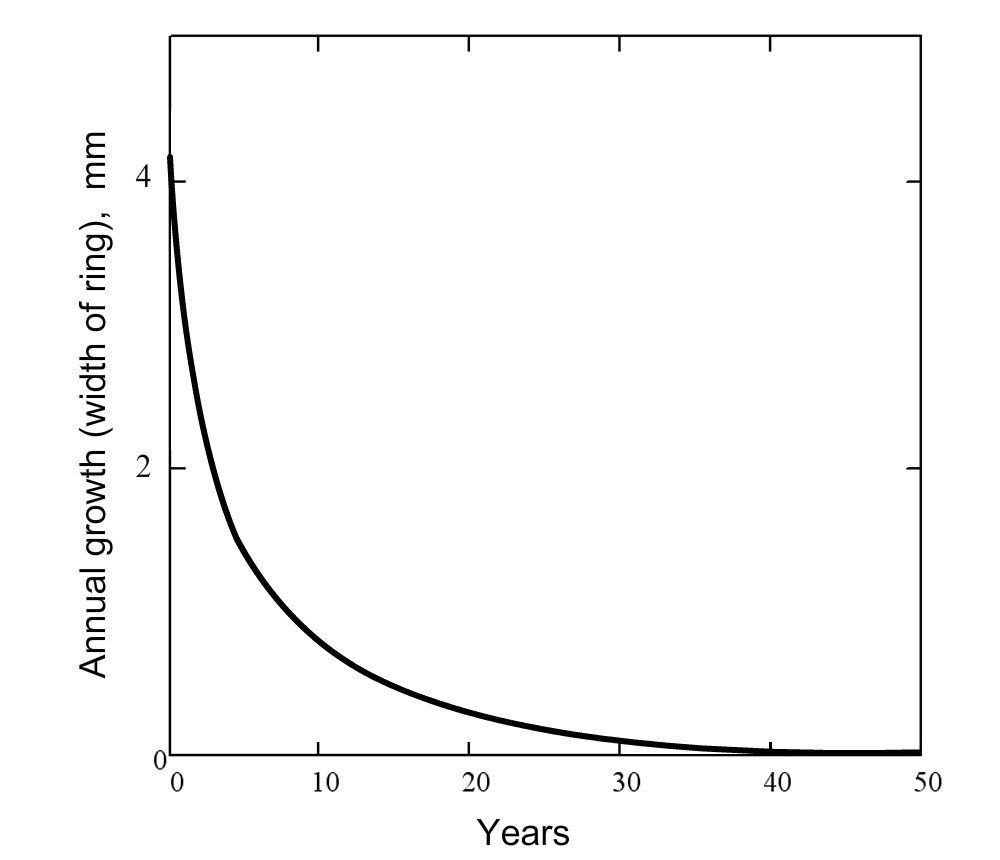
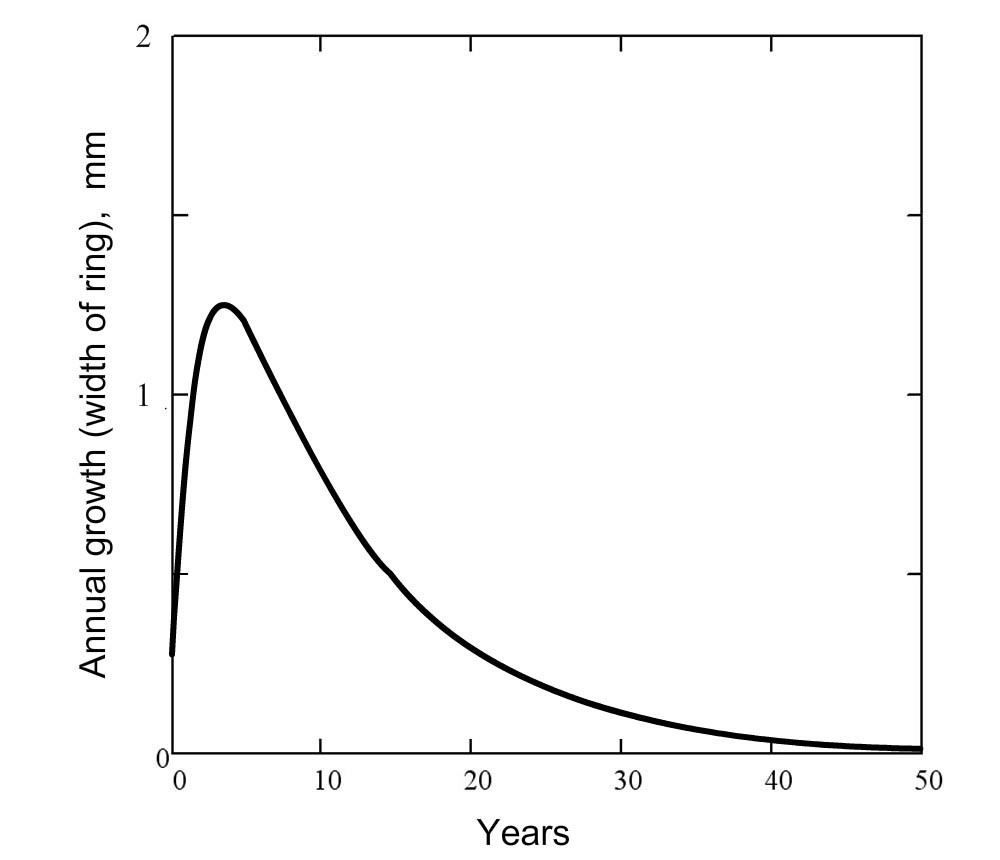
In temperate trees a single growth cycle typically makes one ring composed of two parts: a lighter, less dense band produced early in the season and a darker, denser band produced later. The contrast between those bands arises from changes in cell size and wall thickness as growth slows and resumes. In marine organisms and some animals, chemical and microstructural changes create analogous bands in shells, skeletons or otoliths.
Key features used by scientists include:
- ring width (reflecting growth rate),
- ring density and composition,
- anomalies such as false rings or missing rings caused by stress.
Examples occur across life forms: trees are widely studied (see trees), many mollusc shells show seasonal increments (see shells), and tropical and marine corals commonly preserve annual banding (see corals).
History and methods
The systematic study of tree rings, often called dendrochronology, developed as researchers learned to crossdate overlapping sequences to build long chronologies. Modern analysis combines simple ring counts with precise width measurements, microscopy, chemical assays and isotopic studies to extract climatic and ecological signals. Crossdating helps correct for missing or false rings by matching patterns across samples from the same region.
Uses, limitations and notable facts
Growth rings are widely used to estimate age, date wooden artifacts and buildings, reconstruct past climates and study responses to drought, fire and pollution. However, they are not perfect clocks: in some climates rings are indistinct or absent, stress can produce extra bands, and growth rates vary with species and local conditions. Interpreting rings therefore requires careful sampling and, when possible, corroboration with other evidence.
Because growth rings can preserve a record of environmental change, they remain an important source of information in ecology, archaeology and paleoclimatology. For introductory resources and specimen examples, consult general references on tree rings and marine banding (trees, shells, corals).
Questions and answers
Q: What is a growth ring?
A: A growth ring is a ring of growth found in some living organisms such as trees, shells, and corals.
Q: What purpose do growth rings serve in living organisms?
A: Growth rings indicate the age of the organism or when it stopped growing.
Q: Can the growth rings in trees be counted to determine their age?
A: Yes, the growth rings in trees can be counted to determine their age.
Q: What other living organisms besides trees have growth rings?
A: Shells and corals also have annual growth rings.
Q: Can growth rings be found in non-living objects?
A: Yes, growth rings can be found in non-living objects such as furniture, walls, and other wooden items.
Q: How can growth rings be used to determine the age of furniture?
A: The growth rings in the wooden part of the furniture can be counted to determine its age.
Q: What information can be obtained from counting growth rings in living and non-living objects?
A: Counting growth rings can provide information about the age of the organism or object and when it stopped growing.
Related articles
Author
AlegsaOnline.com Growth ring: structure, interpretation, and uses in biology and chronology Leandro Alegsa
URL: https://en.alegsaonline.com/art/41077