
Irkutsk — Siberian city and regional center near Lake Baikal
Irkutsk, founded in 1661 and named for the Irkut River, is a major city in eastern Russia and the administrative center of Irkutsk Oblast. It is a cultural, transport and gateway city for Lake Baikal.
Irkutsk is a major city in Russia, historically and administratively important as the administrative center of Irkutsk Oblast. Established in 1661 and named after the nearby Irkut River, it stands among the larger urban centres of Siberia. The city functions as a regional hub for commerce, education and access to surrounding natural attractions, especially Lake Baikal.
Image gallery
10 Images


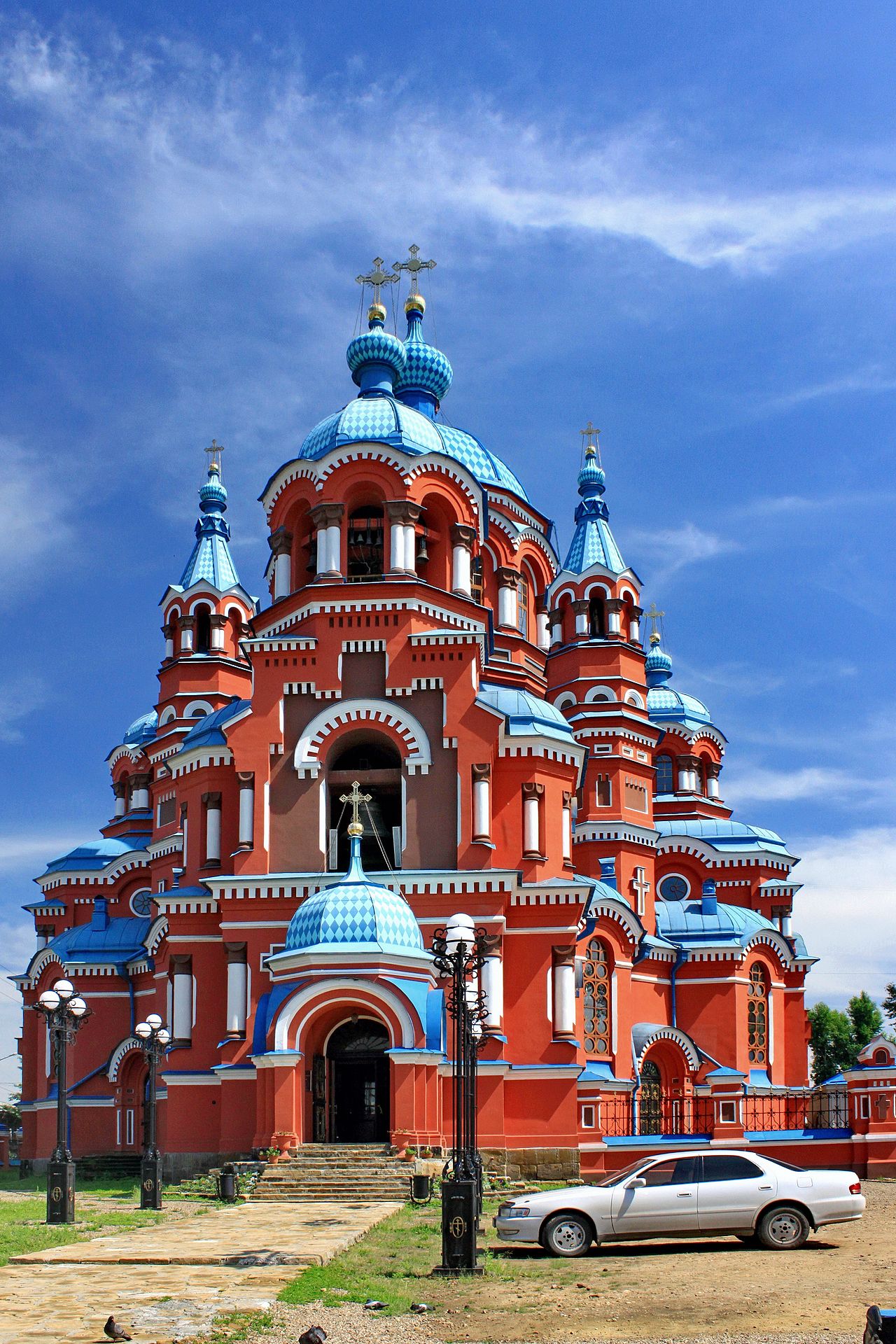


Geography and climate
Irkutsk lies on the banks of the Angara River, which drains Lake Baikal. Its position at the southern edge of Siberia gives it a pronounced continental climate: long, cold winters and warm, often sunny summers. The proximity to Baikal and nearby taiga landscapes shapes both the local economy and tourism.
History and development
Originating as a 17th‑century fortification and trading post, Irkutsk grew with the Siberian fur trade and later with wider east–west traffic. In the 19th century it developed into an administrative and cultural center; the arrival of the Trans‑Siberian transport corridors accelerated urban growth and industrialization. The city also figured in the story of political exiles and the spread of Siberian settlement.
Economy, transport and institutions
Irkutsk hosts a mix of industry, higher education and regional services. Its economic base draws on manufacturing, research institutions and energy resources, while road and rail links connect it to other parts of Russia. The city is a logistical gateway for visitors and supplies heading to Lake Baikal and the surrounding wilderness.
Culture, architecture and tourism
Irkutsk is noted for clusters of 19th‑century wooden architecture, museums, theatres and university life that contribute to a lively cultural scene. As a common starting point for tours of Lake Baikal, it provides hotels, riverfront promenades and access to outdoor activities such as hiking, boating and winter sports.
Notable features
- Gateway to Lake Baikal and nearby natural reserves.
- Historic wooden houses and 19th‑century urban core.
- Major regional transport hub with rail and river connections.
- Cultural institutions: museums, theatres and universities that serve eastern Siberia.
Together these elements make Irkutsk an important Siberian city with a blend of natural, historical and urban significance, serving both local residents and visitors who come to explore Baikal and the broader region.
Related articles
Author
AlegsaOnline.com Irkutsk — Siberian city and regional center near Lake Baikal Leandro Alegsa
URL: https://en.alegsaonline.com/art/48193
Sources
- admirk.ru : "Мэр - Официальный портал города Иркутска"
- gks.ru : "Федеральная служба государственной статистики Российской Федерации - База данных показателей муниципальных образований"
- gks.ru : "Всероссийская перепись населения 2010 года. Том 1[[Category:Articles containing Russian-language text]]"
- gks.ru : "26. Численность постоянного населения Российской Федерации по муниципальным образованиям на 1 января 2018 года"
- pravo.gov.ru : "Об исчислении времени"
- vinfo.russianpost.ru : Поиск объектов почтовой связи
- the-acr.com : "International Calling Codes - Pg2"
- commons.wikimedia.org : Irkutsk