
Green Party of the United States
A progressive political party emphasizing ecological sustainability, social justice and grassroots democracy; active in national and local U.S. politics with distinct principles and electoral strategies.
The Green Party of the United States (GPUS) is a political organization that promotes environmental protection, social justice and participatory democracy. Often described as left-wing, it positions itself apart from the two major U.S. parties and is organized as a political party that operates across the United States. Its platform emphasizes ecological sustainability, economic fairness, nonviolence and community-based decision making.
Image gallery
10 Images


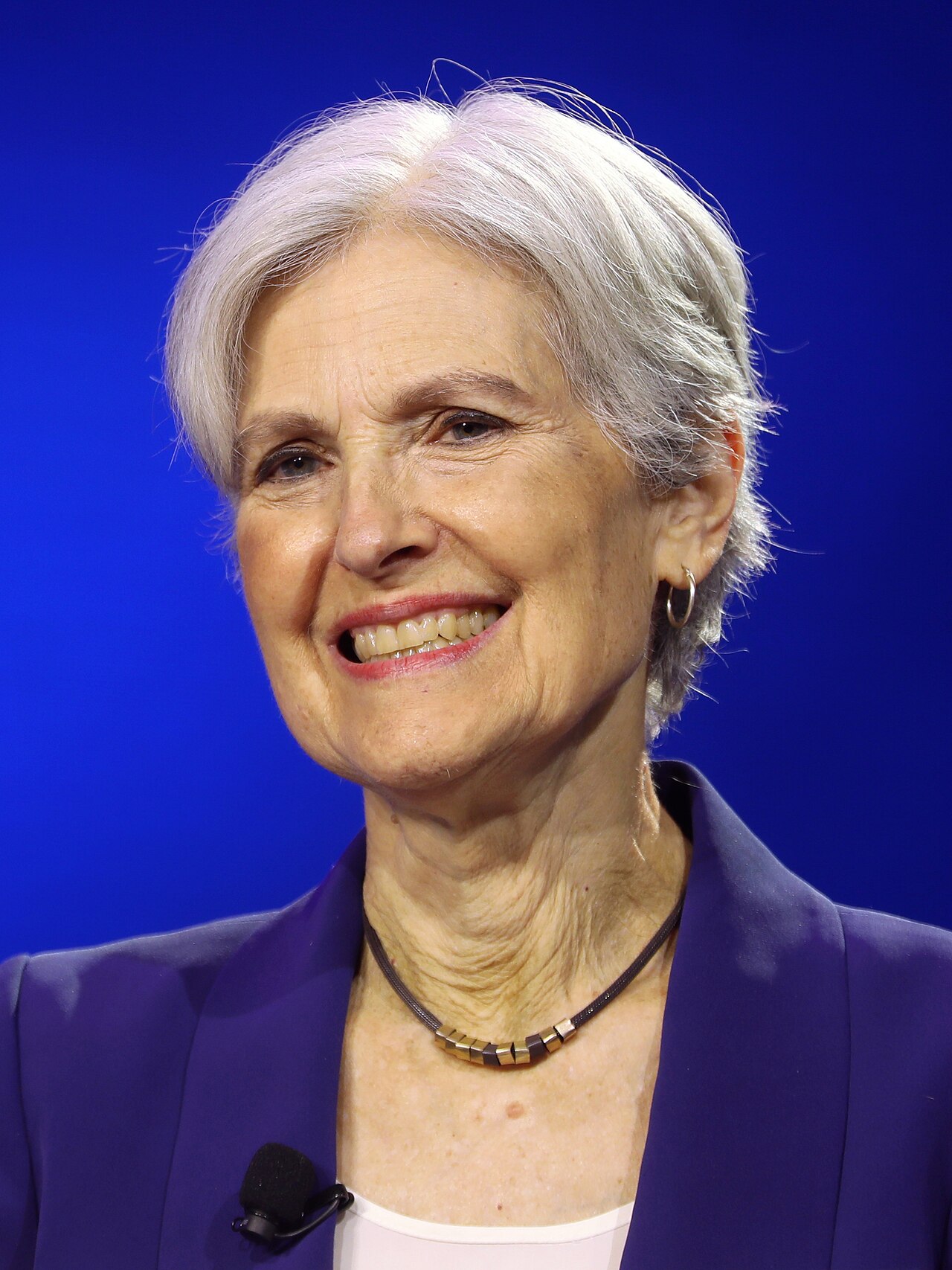




Core principles and structure
The party is guided by a set of commonly cited principles—sometimes summarized as the Ten Key Values—that include ecological wisdom, social justice, grassroots democracy, and respect for diversity. GPUS functions through a loose federation of state parties and local chapters, with a national committee that provides coordination rather than strict top-down control. Important themes in its platform are public goods protection, renewable energy, progressive taxation, and civil liberties.
History and national campaigns
Greens in the U.S. emerged from environmental and social movements during the late 20th century. Various local and state Green groups formed in the 1980s and 1990s; a national structure known as the Green Party of the United States was later established to coordinate electoral activity. The party has nominated presidential candidates in multiple election cycles, most visibly Jill Stein, who ran for President in 2012 and 2016. Other Green nominees and prominent campaigns have sought to raise issues rather than win the presidency outright.
Electoral presence and activities
The Green Party concentrates much of its practical work at local and state levels, where it has placed candidates on city councils, school boards and county offices. Ballot access remains a recurring challenge: state rules and signature requirements vary, so much effort goes into petitions and legal efforts to appear on ballots. The party also engages in issue advocacy, community organizing and coalition work on climate policy, healthcare and workers' rights.
Distinctions, challenges and public perception
Compared with the two major parties, the Greens prioritize ecological and anti-corporate policies and emphasize participatory forms of democracy. In the landscape of U.S. minor parties the Green Party is often counted among the larger alternatives; it has been measured alongside the Libertarian Party in rankings of third-party size. Critics and supporters debate the party's electoral strategy—whether to build a broad social movement first or concentrate on winning offices—and its effect on broader electoral outcomes.
Notable issues and resources
- Key policy emphases: environmentalism, renewable energy and climate action.
- Social platform focuses: social justice, economic equity and civil liberties.
- For further background and readings see state party pages and archived campaign materials linked from national coordination sites: party information and related resources on presidential campaigns or outreach materials listed by state parties here.
Related articles
Author
AlegsaOnline.com Green Party of the United States Leandro Alegsa
URL: https://en.alegsaonline.com/art/40695
Sources
- oppositionnews.org : "Only Libertarians and Independents grew since 2008"
- gp.org : "Ten Key Values"
- gp.org : "Green Party of the United States - National Committee Voting - Proposal Deatils"
- pbs.org : "Presidential Hopefuls Meet in Third Party Debate"
- america.aljazeera.com : "Green Party's Jill Stein Running for President"