
Guys and Dolls
A classic American musical (1950) by Frank Loesser with a book by Jo Swerling and Abe Burrows, based on Damon Runyon stories; known for its songs, Runyonesque style, film adaptation, and lasting influence.
Overview
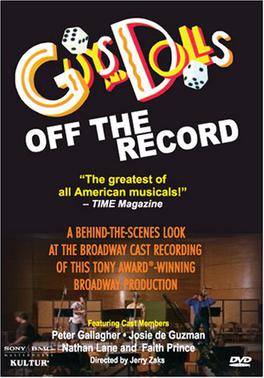
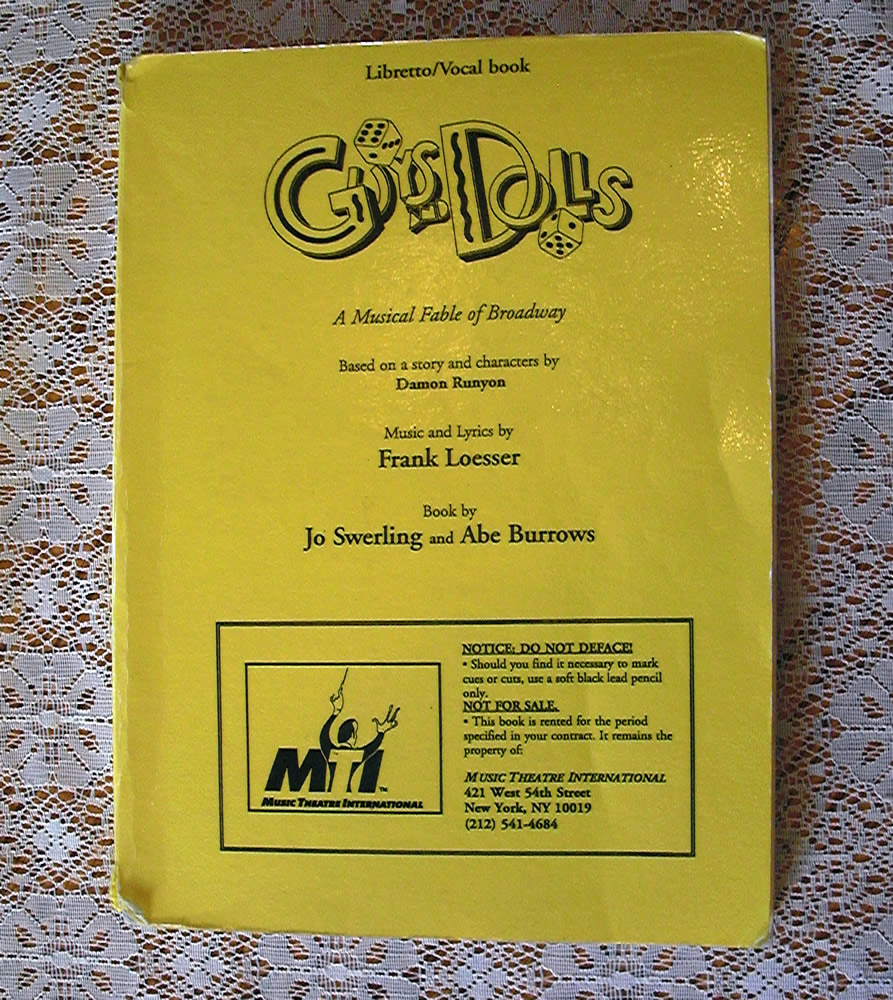
Guys and Dolls is a landmark American musical that opened on Broadway in 1950. With music and lyrics by Frank Loesser and a spoken-book developed by Jo Swerling and Abe Burrows, the piece adapts short stories by Damon Runyon into a romantic comedy set among New York gamblers, missionaries, and showgirls. The show blends witty, streetwise dialogue with densely plotted scenes and memorable songs, and it won the Tony Award for Best Musical soon after its debut. For information about the original staging, see the Original Broadway production.
Image gallery
6 Images



Creative elements and style
Guys and Dolls is distinguished by its use of Runyon's colorful, stylized language and by Loesser's eclectic score, which ranges from big production numbers to intimate, character-driven songs. The musical balances ensemble choreography and large set pieces with individual comic moments. Principal roles include the gambler Nathan Detroit, the suave Sky Masterson, the mission worker Sarah Brown, and Miss Adelaide, a nightclub entertainer. Notable songs that entered the popular repertoire include "Luck Be a Lady," "Sit Down, You're Rockin' the Boat," and "Adelaide's Lament." For more about Loesser's contributions, see Frank Loesser.
Plot and themes
At its core the story interweaves two romances against the backdrop of small-time gambling and moral earnestness. The plot contrasts the hard-bitten world of New York characters with themes of redemption, love, and the clash between sincere faith and everyday compromise. The city is almost a character itself, and the narrative often turns on bets, wagers, and tests of character that reflect broader questions about honesty and belonging.
Production history and adaptations
After its Broadway success, Guys and Dolls became a staple of professional and amateur theatre, spawning revivals and tours. A 1955 cinematic adaptation brought the story to a wider audience in a film starring major Hollywood names, expanding the show's cultural reach. Over the decades it has seen numerous revivals and reinterpretations, each highlighting different musical or theatrical strengths of the original work.
Legacy and significance
Guys and Dolls is widely regarded as one of the high points of the Golden Age of American musical theater, notable for its integration of book and score and for fully realized character-driven numbers. The show is frequently cited in discussions of classic musicals for its craftsmanship, comic timing, and enduring tunes. Its influence extends into popular culture and musical theatre training, and it remains a popular choice for professional revivals and community productions.
Notable facts
- The musical draws its tone and characters from Damon Runyon's short stories about Broadway underworld types.
- It won the Tony Award for Best Musical shortly after opening; the production established several songs as standards.
- Its combination of witty dialogue and varied musical styles is often used as a model of well-integrated musical theatre.
- Further reading and archival materials can be found through production histories and musical-theatre resources such as award and historical records.
Guys and Dolls continues to be celebrated for its lively characters, clever lyrics, and theatrical polish, securing its place as a quintessential American musical comedy.
Questions and answers
Q: Who wrote the music and lyrics for Guys and Dolls?
A: Frank Loesser wrote the music and lyrics for Guys and Dolls.
Q: Who wrote the speaking parts of Guys and Dolls?
A: Jo Swerling and Abe Burrows wrote the speaking parts of Guys and Dolls.
Q: What is the basis of the story of Guys and Dolls?
A: The story of Guys and Dolls is based on short stories written by Damon Runyon.
Q: In what year was Guys and Dolls released on Broadway?
A: Guys and Dolls was released on Broadway in 1950.
Q: What award did Guys and Dolls win in 1950?
A: Guys and Dolls won the Tony Award for Best Musical in 1950.
Q: Who is the playwright that wrote the short stories that inspired Guys and Dolls?
A: Damon Runyon is the playwright that wrote the short stories that inspired Guys and Dolls.
Q: Who wrote the speaking parts and lyrics for Guys and Dolls?
A: Jo Swerling and Abe Burrows wrote the speaking parts, while Frank Loesser wrote the lyrics for Guys and Dolls.
Related articles
Author
AlegsaOnline.com Guys and Dolls Leandro Alegsa
URL: https://en.alegsaonline.com/art/41572