
Hair (musical): the 1960s rock-stage phenomenon
Hair is a groundbreaking late-1960s rock musical by James Rado, Gerome Ragni and Galt MacDermot that brought counterculture themes, hit songs and controversial staging to mainstream theatre.
Overview
Hair is a rock musical created by James Rado and Gerome Ragni (book and lyrics) with music by Galt MacDermot. It began in the New York experimental theatre scene and opened Off‑Broadway in 1967 before moving to Broadway in April 1968 at the Biltmore Theatre, where it ran for 1,750 performances. The show presents a portrait of young people in the late 1960s grappling with love, identity, race, and opposition to the Vietnam War, and it brought contemporary rock sounds and youth culture onto the commercial stage.
Image gallery
5 Images



Form and notable elements
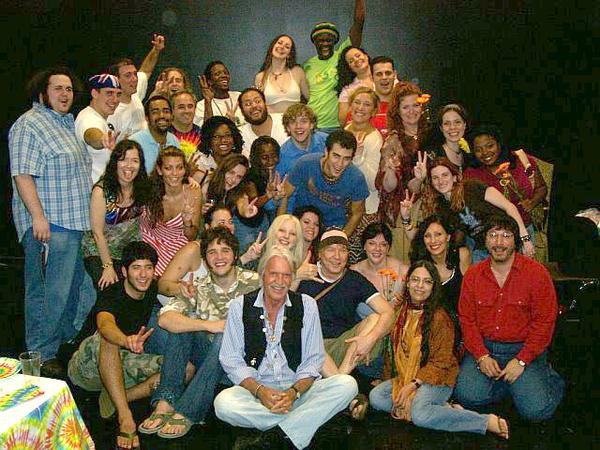
Hair departs from traditional musical‑theatre conventions by blending episodic storytelling with revue-like sequences, extended ensemble scenes, and direct interaction with the audience. The central group, often called a "tribe," is an ensemble of young characters who embody the era's countercultural attitudes. The production became famous for elements that shocked mainstream audiences at the time, including frank treatment of sex and drugs, politically charged language, and staging choices that emphasized communal life and bodily freedom.
Music and songs
The score mixes rock, pop and soulful arrangements. Several songs from the show entered popular culture beyond the theatre, becoming radio hits and appearing on cast recordings. Typical numbers associated with the show include:
- "Aquarius" and the medley "Let the Sunshine In"
- the title song "Hair"
- character-driven pieces that range from raucous ensemble numbers to quieter solos
History and production
Conceived and written by Rado and Ragni out of experiences in New York's East Village and the broader youth movement, Hair was nurtured by the 1960s off‑off‑Broadway experimental scene and later expanded for commercial audiences. Early productions and recordings spread its reputation, and the show was subject to revisions as it moved to larger venues. Its outspoken political content and unconventional presentation generated both enthusiastic support and vocal opposition, making it a lightning rod for debates about art, censorship, and the generation gap.
Themes, reception and legacy
Hair addresses themes of rebellion, personal freedom, racial integration, and resistance to the draft and the Vietnam War (Vietnam War). While controversial at first, the musical influenced subsequent generations of theatre-makers by showing that contemporary music styles and topical subjects could carry a major stage work. It has been revived worldwide, adapted into a film, and remains frequently referenced as a cultural touchstone of late‑1960s youth and musical experimentation. For information about its Broadway history and landmark productions see the original Biltmore engagement and archival accounts (Biltmore Theatre premiere).
Related articles
Author
AlegsaOnline.com Hair (musical): the 1960s rock-stage phenomenon Leandro Alegsa
URL: https://en.alegsaonline.com/art/41803