
Grappling hook
A grappling hook is a multi-pronged hook attached to a line, used historically in maritime and siege work and today for rescue, tactical retrieval, and specialized climbing or anchoring tasks.
A grappling hook is a hooked device attached to a rope, cord, or cable and thrown, placed, or fired to catch onto a target so the user can pull, hang, or climb. Traditionally associated with ships and siege warfare, the basic concept is simple: create a temporary attachment point at a distance where direct access is difficult or unsafe. In modern contexts grappling hooks appear in search and rescue, tactical entry, retrieval operations, and some specialty outdoor situations.
Image gallery
10 Images


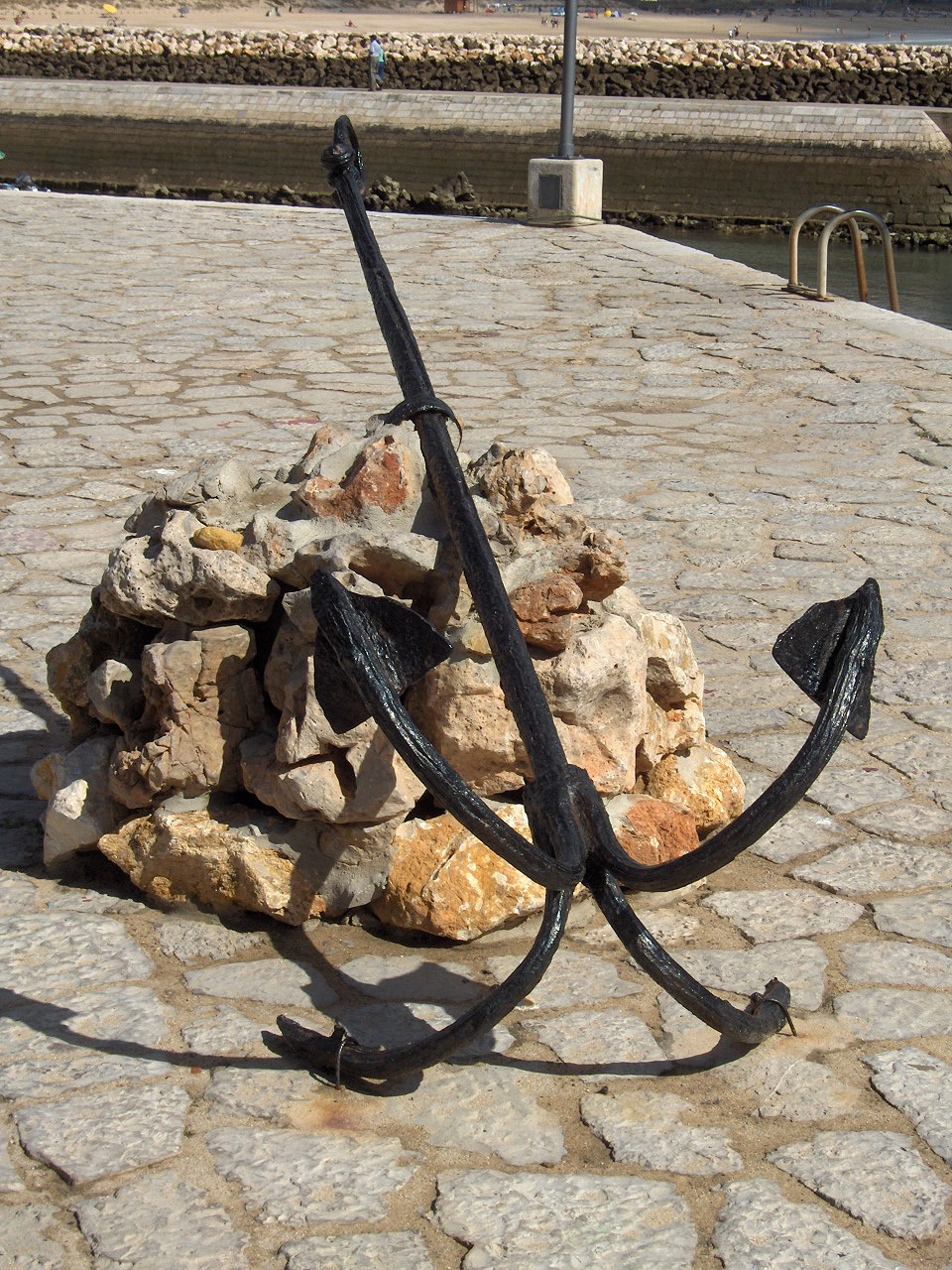

Design and main components
Typical grappling hooks have several distinguishing parts and design features:
- Head: one to several curved prongs that catch on structures or rock edges.
- Shaft or eye: the central body or ring where the rope is secured.
- Line: the rope, cord, or cable that connects the hook to the user.
- Material: steel or other strong alloys for load-bearing models; lighter alloys, composites, or folding designs for portable use.
History and development
Grappling hooks have ancient roots in maritime and military practice. Sailors used hooks to grab ropes, nets, or other vessels, while besieging forces employed hooks and ropes to scale walls or pull down obstacles. Over time the device evolved into specialized forms: larger, heavy hooks for shipboard work; compact, folding hooks for climbers and technicians; and mechanically deployed variations used by military and law-enforcement units.
Uses, techniques, and alternatives
Common uses include creating an improvised anchor to pull or secure, retrieving objects beyond reach, and spanning gaps by swinging. In professional climbing and rescue, purpose-built anchors, bolts, and carabiners are preferred because they provide predictable strength and safety. Recreational climbers usually avoid improvised grappling hooks for direct load-bearing ascent and instead rely on certified protection and rigging hardware.
Variations and notable considerations
There are many variants: folding hooks that pack small, weighted throwing hooks for retrieval, and powered launchers that place a hook at range. Each brings trade-offs between weight, reliability, and safety. Use of grappling hooks can be hazardous — they may slip, damage structures, or lead to uncontrolled falls — so training and appropriate gear are important. For further general background see Grappling hook overview and for technical aspects consult a technical guide.
Related articles
Author
AlegsaOnline.com Grappling hook Leandro Alegsa
URL: https://en.alegsaonline.com/art/40362