
Governor of Colorado
Overview of the Governor of Colorado: role, powers, election and succession, history, and notable functions within state government.
The chief executive of the U.S. state of Colorado is the governor. As head of the executive branch, the governor enforces state laws, directs state agencies, and represents Colorado in interstate and federal relations. The office is filled by popular statewide election and combines administrative, policy-making, and ceremonial duties.
Image gallery
10 Images



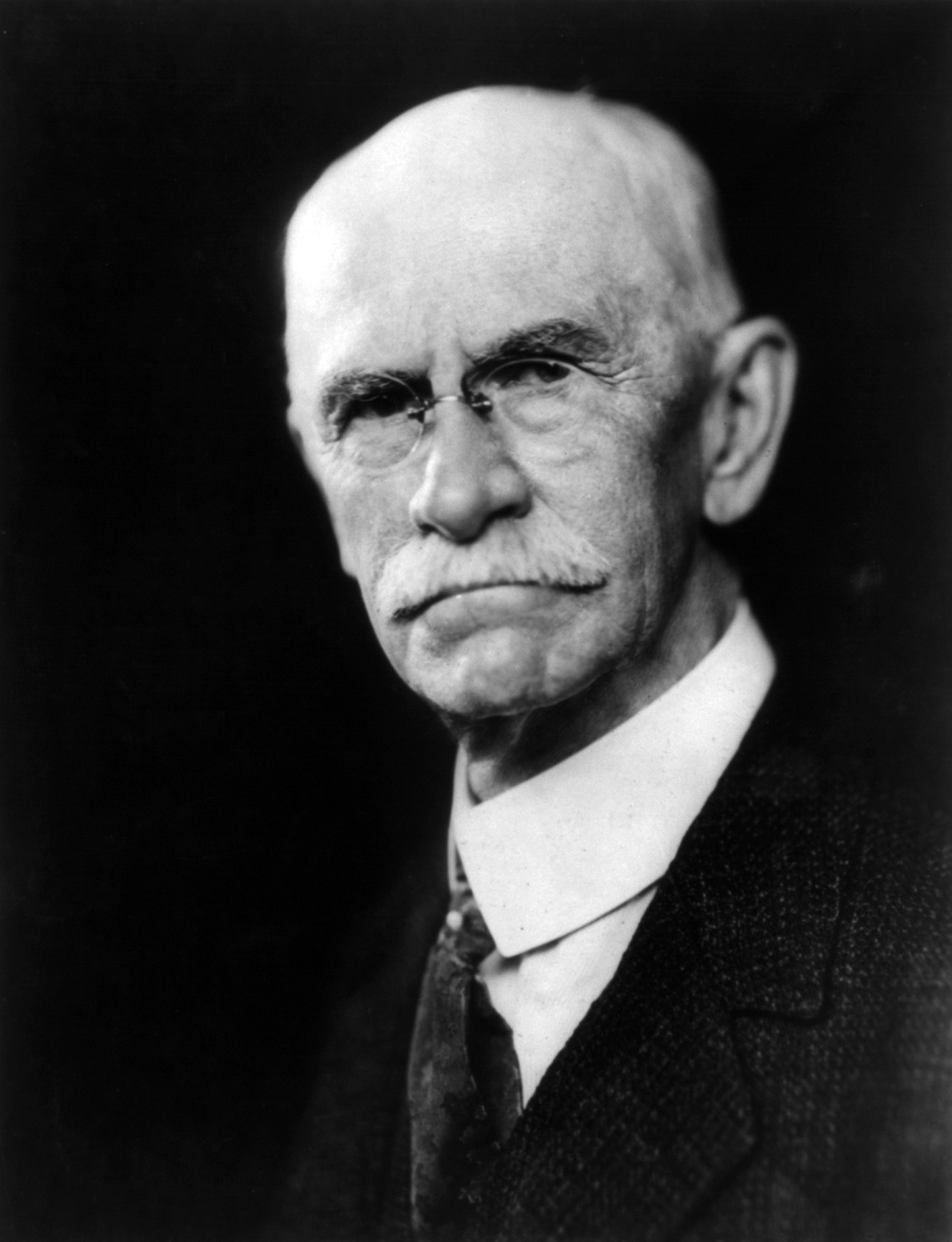
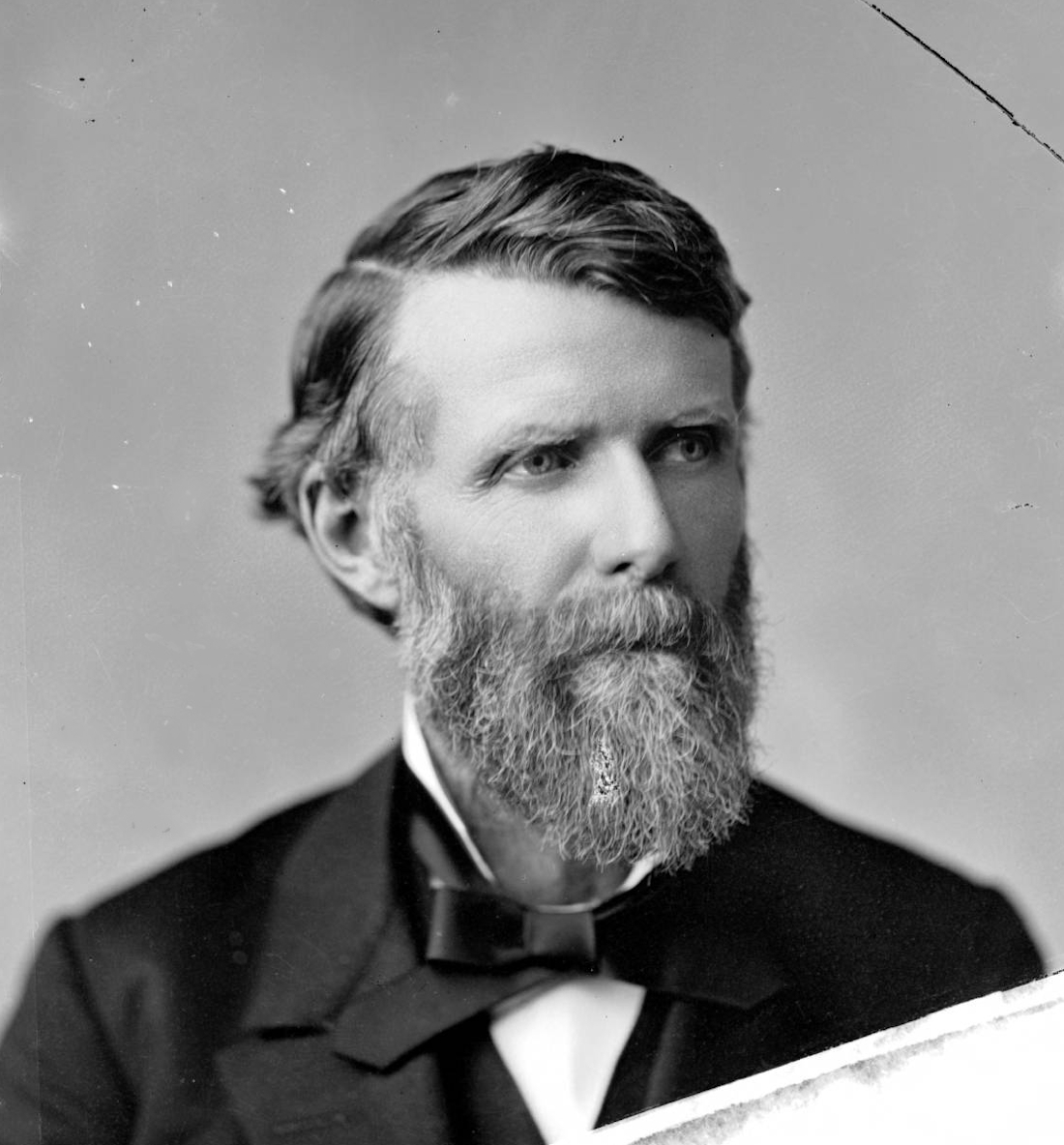


Powers and duties
The governor's formal responsibilities span legal, military, and administrative authority. Key functions typically include:
- Approving or vetoing bills enacted by the state legislature and, where authorized, exercising line-item veto power.
- Granting reprieves and pardons within constitutional limits (pardon power generally does not apply to impeachment and certain treason cases).
- Serving as commander-in-chief of Colorado's military forces, including the National Guard when not federalized.
- Making appointments to executive offices, filling vacancies as provided by law, directing the operation of state agencies, proposing the state budget, and issuing executive orders to implement policy.
Election, term, and succession
Colorado's governor is chosen in a statewide popular election. Terms and eligibility are governed by the state constitution and statutes. A lieutenant governor runs with the governor on the same ticket and succeeds to the office if the governor dies, resigns, or is removed. Impeachment, judicial review, and legislative oversight form legal checks on gubernatorial authority.
History and development
The gubernatorial office in Colorado was established at statehood in 1876. Over the decades, administrative responsibilities expanded as the state developed modern regulatory, social, and fiscal institutions. Changes in governance—such as the growth of state agencies, the formal budget process, and evolving election practices—have shaped the contemporary role of the governor.
Role in government and public life
Beyond formal powers, governors influence policy by setting priorities, advocating legislation, directing emergency response, and shaping economic development efforts. They serve as a focal point for state leadership during crises, negotiations with federal authorities, and public communication. The current governor is Democrat Jared Polis, who took office in January 2019.
Notable distinctions
While the Colorado governor's basic functions resemble those of governors nationwide, the office operates within the specific constraints and procedures set by Colorado's constitution and laws. The balance of appointment authority, veto power, and accountability mechanisms defines how executive power is exercised and limited within the state.
Related articles
Author
AlegsaOnline.com Governor of Colorado Leandro Alegsa
URL: https://en.alegsaonline.com/art/39980
Sources
- knowledgecenter.csg.org : "CSG Releases 2013 Governor Salaries"
- books.google.com : The National Cyclopaedia of American Biography
- colorado.gov : "Lieutenant Governors of Colorado"
- query.nytimes.com : "General Notes"
- books.google.com : The Fourth Estate and the Constitution: Freedom of the Press in America
- books.google.com : The Province and the States: Missouri, Kansas, Colorado
- query.nytimes.com : "Shots Fired from Windows"
- classic.nga.org : "Edwin Carl Johnson"
- classic.nga.org : "William Lee Knous"
- classic.nga.org : "John Arthur Love"
- gazette.com : "Former Colorado Gov. Vanderhoof dies at 91"