
Gorj County (Romania)
Gorj County in southwestern Romania's Oltenia region, centered on Târgu Jiu. Known for varied landscapes, energy and mining, and the sculptural ensemble of Constantin Brâncuși.
Overview
Gorj is an administrative county in southwestern Romania, located within the historical province of Oltenia. Its seat and largest city is Târgu Jiu. The county combines lowland river valleys with upland and mountain areas, giving it a mix of rural, industrial and cultural landscapes.
Image gallery
10 Images


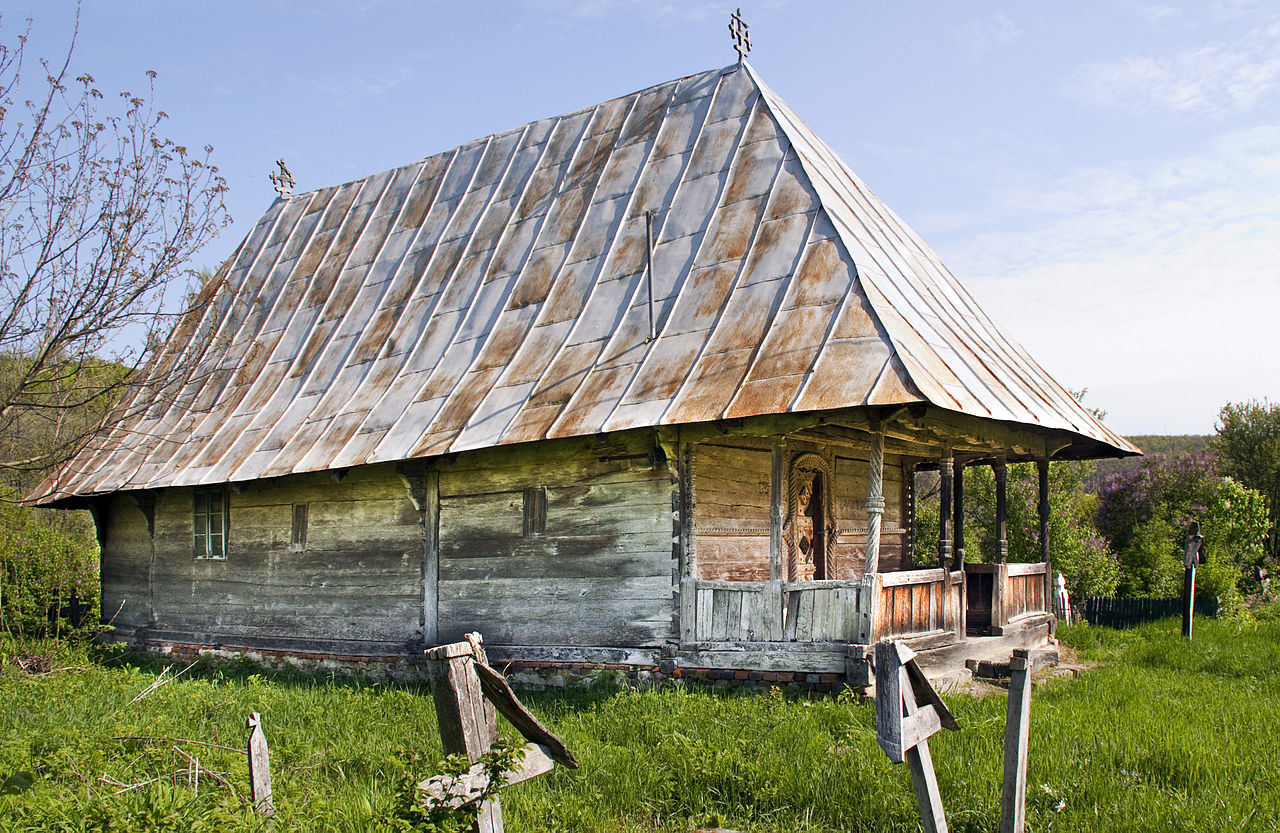


Geography and environment
The territory includes parts of the Southern Carpathians and adjacent subcarpathian hills, drained by the Jiu River and its tributaries. Forested highlands and river gorges contrast with agricultural plains; this variety supports timber, pasture and crop cultivation as well as habitats for regional wildlife. Seasonal tourism centers on mountain trails, viewpoints and river valleys.
History and cultural life
Gorj sits on lands shaped by ancient Dacian settlements and later medieval development within Wallachia. In modern times the county is best known culturally for the legacy of sculptor Constantin Brâncuși, whose celebrated works in Târgu Jiu — including the Endless Column and the Gate of the Kiss — attract scholars and visitors and have international recognition.
Economy and infrastructure
Economic activity blends extractive industries, energy production and traditional agriculture. Coal mining and power generation have been important for the local economy, alongside forestry, food processing and small-scale manufacturing. Road and rail links connect the county with regional urban centers, supporting commerce and commuter flows.
Administration, tourism and notable facts
Administratively the county comprises municipalities, towns and numerous communes, each centered on local services and community life. Visitors come for cultural sites, mountain resorts, the Jiu Gorge and folk traditions. Gorj's mix of industrial heritage and artistic significance makes it a distinctive part of Romania's regional map.
- Key cultural site: Brâncuși sculptural ensemble in Târgu Jiu
- Natural highlights: Carpathian foothills and Jiu River valley
- Economic notes: coal, energy, agriculture and forestry
Related articles
Author
AlegsaOnline.com Gorj County (Romania) Leandro Alegsa
URL: https://en.alegsaonline.com/art/39789