
Gorno-Altaysk — capital of the Altai Republic (Russia)
Gorno-Altaysk is the administrative center of Russia's Altai Republic, a small city in southwestern Siberia (population ~64,478 in 2020) and a gateway to the Altai Mountains and local Altai culture.

Gorno-Altaysk is the capital city of the Altai Republic in southwestern Siberia. The city is known by local names in different languages — see the Russian name and Altay forms — and serves as the republic's primary administrative, cultural, and economic center. As of 2020 the population was about 64,478, making it a small regional capital by Russian standards. The city functions as a hub for surrounding rural settlements and indigenous Altai communities.
Image gallery
2 Images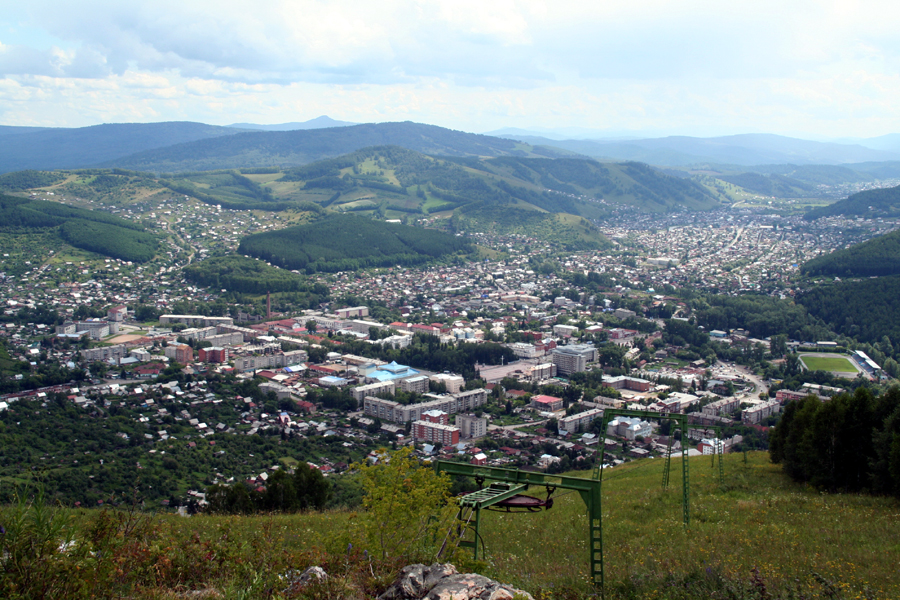

Geography and climate
Gorno-Altaysk lies near the foothills of the Altai Mountains and sits amid a landscape of mixed forest, steppe and river valleys. The surrounding terrain makes the city a practical base for excursions into more rugged mountain areas. The climate is continental: winters are cold and snowy while summers tend to be warm and relatively short.
History and administration
The settlement developed from a small regional trading and service point into the seat of local government during the 20th century as administrative divisions in Siberia were organized and reformed. Today it hosts the republican government institutions and public services that manage the Altai Republic. For its role as the republic's center, many government buildings, cultural institutions and regional offices are concentrated here; the city's status as capital is noted in official sources (administrative status).

Economy, culture and education
The local economy is driven largely by public administration, education, healthcare and services for tourism. Gorno-Altaysk is important for preserving and presenting Altai cultural traditions: museums, craft workshops and regional festivals promote indigenous languages and arts. The city also supports educational institutions and cultural venues that serve the wider republic.
Transport and tourism
Transport links include regional roads, a local airport with connections to larger Siberian cities, and regular bus services that link the city to outlying districts. Tourists use Gorno-Altaysk as a staging point for outdoor activities in the Altai Mountains, including:
- hiking and trekking on marked trails;
- horseback routes and cultural tours focusing on Altai traditions;
- seasonal activities such as winter sports and river excursions in warmer months.
Notable facts
Although modest in size, Gorno-Altaysk plays a disproportionate role in the life of the Altai Republic as its administrative capital and cultural showcase. It stands at the interface between Russian administrative structures and indigenous Altai communities, and visitors often encounter bilingual signs and a mix of Russian and Altai cultural influences. For broader context on its national setting see Russia.
Related articles
Author
AlegsaOnline.com Gorno-Altaysk — capital of the Altai Republic (Russia) Leandro Alegsa
URL: https://en.alegsaonline.com/art/39795