
André Le Nôtre: Architect of the French Formal Garden
André Le Nôtre (1613–1700) was a French landscape designer whose geometric, axial gardens for Versailles and other estates defined the classic French formal style and influenced European planning.
Overview
André Le Nôtre (12 March 1613 – 15 September 1700) was a French landscape designer and gardener whose practice and taste helped create the jardin à la française, the formal garden style associated with the court of Louis XIV. Best known for the vast schemes at the Palace of Versailles, Le Nôtre combined geometry, long perspectives, waterworks and planted massing to produce ordered, monumental outdoor spaces.
Image gallery
8 Images



Characteristic elements and techniques
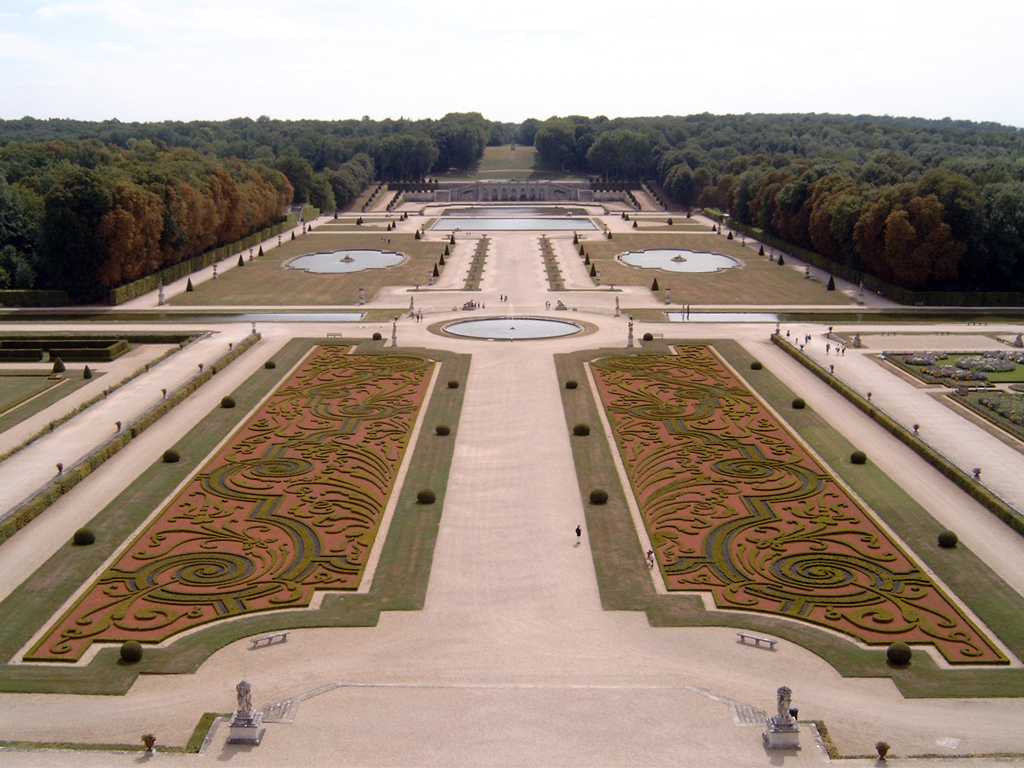
Le Nôtre’s designs emphasized symmetry, axial composition and clear lines. Typical features included parterres—intricate patterned beds—terraces, straight alleys, expansive lawns, canals and reflecting basins, and carefully placed groves (bosquets) punctuated by statuary and fountains. He used earth-moving, grading and hydraulic engineering to create optical effects such as forced perspective and long vistas that draw the eye toward a focal building or monument.
Major projects
Working initially with architects and artists in the circle of Nicolas Fouquet at Vaux-le-Vicomte, Le Nôtre later took a central role in royal commissions. Notable gardens and parks attributed to him include:
- Vaux-le-Vicomte (early career collaboration)
- The gardens of the Palace of Versailles, his most famous and influential work
- Chantilly and the grounds of other noble estates
- Fontainebleau, Saint-Cloud and the Tuileries among royal sites
History and collaborations
Le Nôtre emerged from a lineage of royal gardeners and benefited from collaborations with architects and painters of his time. His work at Vaux-le-Vicomte with Louis Le Vau and Charles Le Brun brought him to the attention of King Louis XIV, for whom he later executed much larger schemes. His career spanned decades during which the French court used gardens as an extension of royal power and taste.
Influence and legacy
The formal principles Le Nôtre refined were copied across Europe and influenced city plans and landscape projects beyond private estates. In the 18th century his approach informed urban planners and designers, and elements of French axial planning can be traced in later schemes such as the layout ideas behind parts of Washington, D.C.. Though subsequent fashions sometimes favored more naturalistic landscapes, Le Nôtre’s clarity of composition and engineering innovations remained a reference for garden design and conservation.
Notable facts and distinctions
Le Nôtre is remembered both for the scale of his works and for combining artistic composition with practical mastery of hydraulics and earthworks. His gardens are studied for their balance of ornament and ordered nature, and many of the sites associated with him are preserved as historical landmarks and continue to shape the vocabulary of Western landscape architecture.
Related articles
Author
AlegsaOnline.com André Le Nôtre: Architect of the French Formal Garden Leandro Alegsa
URL: https://en.alegsaonline.com/art/3949
Sources
- britannica.com : "André Le Nôtre"