
Glun — commune in Ardèche, France
Glun is a small commune in the Ardèche department of Auvergne-Rhône-Alpes, southern France. Overview of its administrative role, landscape context, local economy, heritage and visitor notes.
Overview
Glun is a small commune located in the Ardèche département of the Auvergne-Rhône-Alpes region in southern France. As with other French communes, it functions as the lowest level of local government and typically centers on a village or small town community. Contemporary descriptions of Glun emphasize its rural character and the local network of roads, farms and residences that form the inhabited area.
Image gallery
1 Image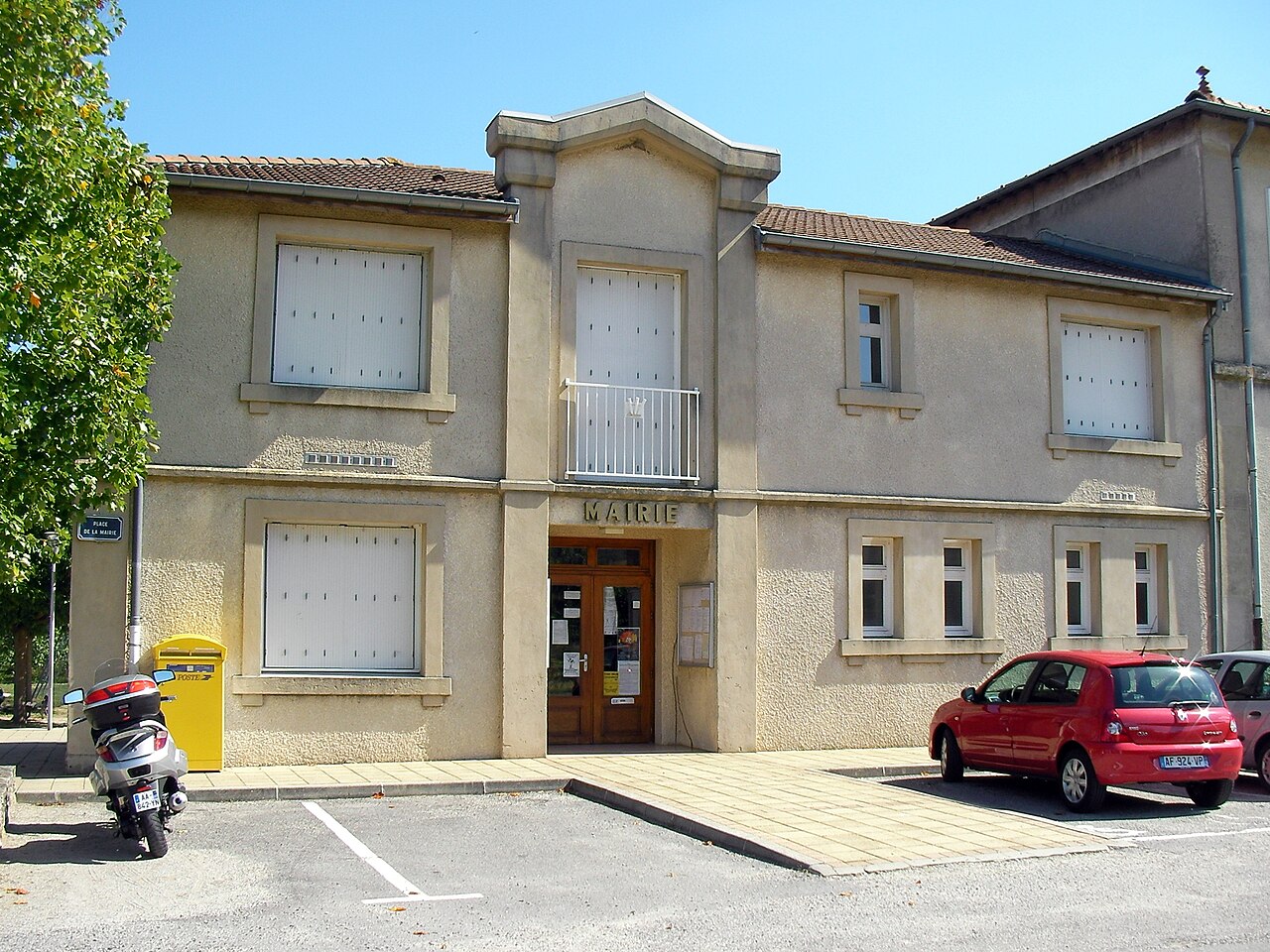
Administrative status and governance
As a commune, Glun is governed by a municipal council and a mayor elected for a multi-year term. The council is responsible for local services such as planning, municipal facilities and some social programs. Communes in France also coordinate with intercommunal bodies and the département for larger infrastructure, education and transportation matters.
Geography and landscape
Glun lies within the varied landscapes typical of Ardèche: a mix of valley floors, cultivated fields and wooded slopes. The department is known for its natural scenery, and settlements like Glun often enjoy proximity to rivers, country roads and regional trails. Local land use commonly combines small-scale agriculture, pastures and areas of spontaneous vegetation.
Economy, culture and heritage
The economy of small Ardèche communes is generally anchored in agriculture, small businesses, crafts and seasonal tourism. Cultural life is frequently centered on a parish church, communal festivities and markets. In the surrounding area, traditional products and regional events help sustain local identity. Typical features visitors might notice include historic buildings, rural architecture and landscapes shaped by centuries of human activity.
Visiting and practical notes
- Access: reach most communes by regional roads and local transport connections.
- Services: small communes often provide basic services and rely on nearby towns for specialized facilities.
- Activities: walking, enjoying local cuisine and exploring rural heritage are common attractions.
For administrative details, demographic statistics and current municipal information, consult official departmental or regional resources or the commune's own notices published by local authorities.
Related articles
Author
AlegsaOnline.com Glun — commune in Ardèche, France Leandro Alegsa
URL: https://en.alegsaonline.com/art/39284