
Gloucester County, New Jersey: Overview, History, and Key Facts
Gloucester County is a southwestern New Jersey county on the Delaware River, with suburban communities, historic towns, and a mixed economy. The county seat is Woodbury; population about 292,000 (2017 est.).
Overview
Gloucester County lies in the southwestern portion of New Jersey, along the eastern bank of the Delaware River. It is part of the greater Philadelphia metropolitan area and contains a mix of suburban neighborhoods, small towns and agricultural land. The county seat is Woodbury. Population estimates in the late 2010s placed the county at roughly 292,000 residents, reflecting steady suburban growth and commuter connections to nearby cities.
Image gallery
7 Images
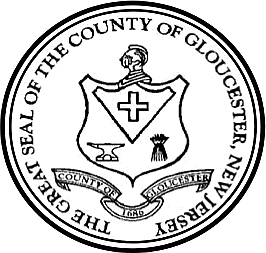


History and development
The area that became Gloucester County was settled in the 17th century and organized under colonial governance in the late 1600s. Over the centuries it evolved from rural farmland and river ports into a largely suburban county with pockets of manufacturing and higher education. Historic towns retain 18th- and 19th-century architecture, while newer residential subdivisions expanded in the 20th century as transport links improved.
Geography, communities and landmarks
Gloucester County includes a variety of landscapes: tidal riverfront, inland wetlands, and gently rolling farmland. Municipalities range from small boroughs to larger townships. Notable communities include Glassboro, which hosts a public university, and Washington Township, a significant suburban population center. The county’s public buildings, parks and historic districts are focal points for local culture and tourism.
Economy and transportation
The county economy combines agriculture, light manufacturing, retail, services and education. Many residents commute to employment centers in nearby Camden and Philadelphia, supported by highways and regional transit services. Local roads and major corridors provide freight and commuter access; planning efforts balance growth with preservation of open space and farmland.
Government, services and resources
County government provides courts, public records, health and human services, and planning. Residents access demographic and planning data through federal and state sources; for example, population figures and economic profiles are available from the U.S. Census and state agencies. Local agencies and visitor bureaus publish information on parks, historic sites and events (regional resources).
Notable facts and distinctions
- Part of the Philadelphia metropolitan area, which influences commuting patterns and economic ties.
- Contains a mix of historic river towns and newer suburban developments.
- Hosts institutions of higher education and several preserved natural areas important for recreation and wildlife.
Together these elements make Gloucester County a region where colonial history, suburban growth and working landscapes coexist, shaping local identity and planning priorities for the 21st century.
Related articles
Author
AlegsaOnline.com Gloucester County, New Jersey: Overview, History, and Key Facts Leandro Alegsa
URL: https://en.alegsaonline.com/art/39268