
Gnetum: tropical gnetophytes — appearance, history, uses and conservation
Gnetum is the sole genus of the family Gnetaceae: tropical gymnosperms with broad leaves, mostly woody vines or trees, an extensive fossil record, regional uses for food and medicine, and varied conservation status.
Overview
Gnetum is the only genus placed in the family Gnetaceae. These plants are gymnosperms, producing seeds that are not enclosed in a fruit as in flowering plants. Species are mostly found in warm tropical regions of Asia, Africa and the Americas. Botanists recognize more than fifty living species: most are lianas or climbing vines, several are shrubs and a few become medium to large trees. The genus is notable for broad, simple leaves and a suite of anatomical features that differ from many other gymnosperms.
Image gallery
7 Images


Appearance and biology
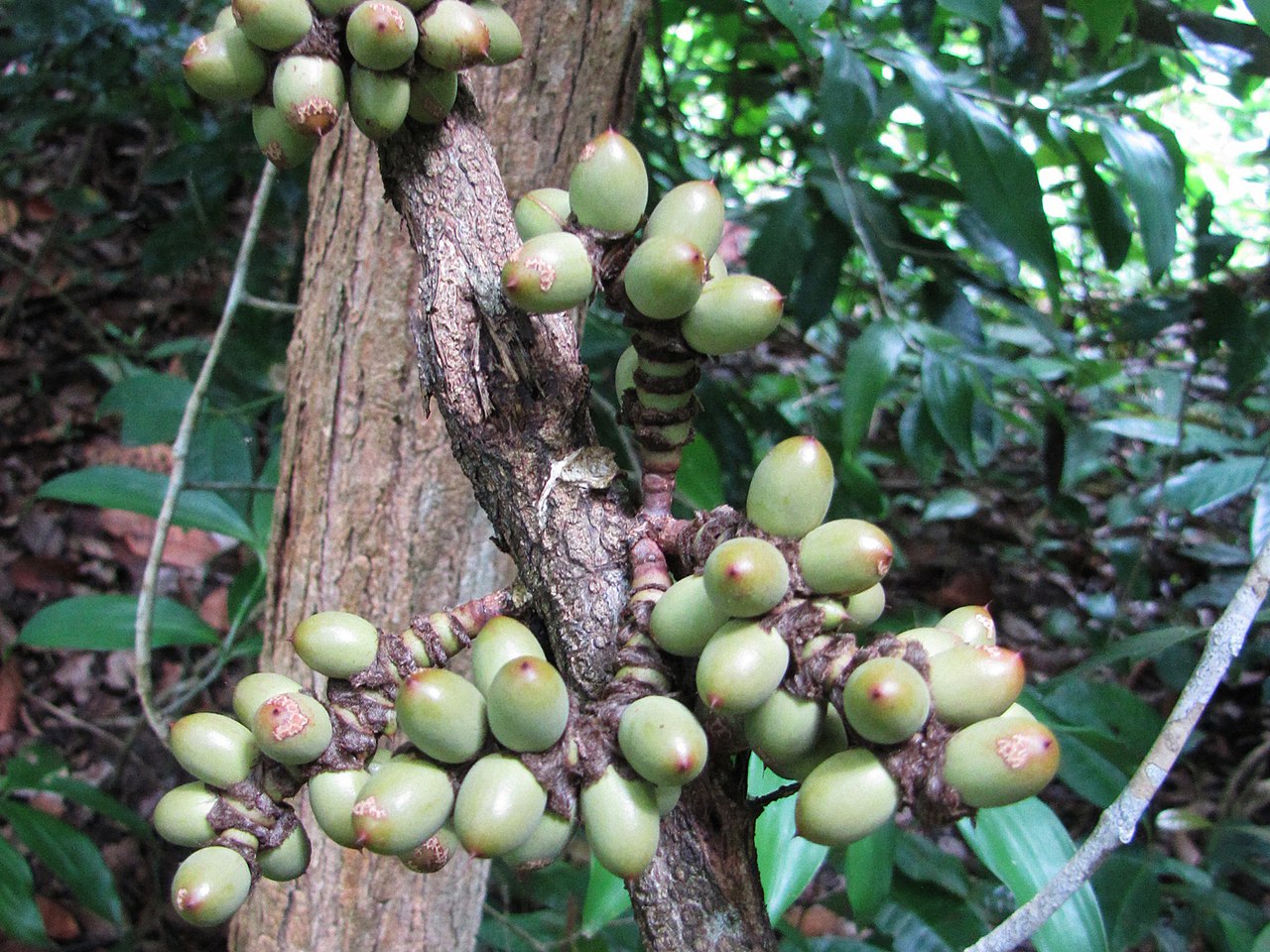
Members of Gnetum are typically evergreen plants with opposite or nearly opposite leaves that are often glossy and elliptic. Their wood contains vessel elements, a feature that occurs convergently in flowering plants, and their overall habit can resemble angiospermous shrubs or vines. Lianas climb using surrounding vegetation and can form extensive stems, while tree-like species contribute to canopy structure in some tropical forests. Leaf anatomy, growth form and vascular structure reflect adaptation to humid, shaded tropical habitats.
Reproduction and pollination
Reproductive structures of Gnetum are gymnospermous: ovules and developing seeds are borne exposed on specialized stems rather than enclosed within an ovary. Pollination biology in Gnetum is variable and has been the subject of study because members of the gnetophytes are thought to have among the earliest insect associations for pollination among seed plants. Some species show evidence of insect-mediated pollination, while others may use wind or a combination of agents. This putative early insect pollination is discussed alongside related genera such as Ephedra and Welwitschia, which together with Gnetum make up the informal grouping called gnetophytes. The role of flowers, bracts and pollination drops in attracting or facilitating pollinators varies across species and remains an active area of research; some studies point to specialized insect visitors and occasional ambophily (both wind and insect pollination) in certain taxa (see pollination research).
Fossil record and evolution
The broader group of gnetophytes has a long fossil record, with putative relatives reported from Permian and Triassic strata. Fossils attributed to gnetophytes or their near-relatives appear in the Permian and the Triassic, and some Jurassic occurrences have been suggested though assignment can be uncertain. The record is richest in the early Cretaceous, where multiple fossils show anatomy comparable to modern gnetophytes, including preserved seeds and structures interpreted as reproductive organs. Fossil pollen attributed to gnetophyte-like plants also helps trace their historical distribution and diversity. These data indicate the group was more widespread and morphologically diverse in the Mesozoic than today, and they inform hypotheses about gymnosperm-angiosperm relationships and the evolution of seed-plant reproductive strategies.
Distribution and habitat
Gnetum species grow primarily in lowland and montane tropical forests, riverine habitats and shaded understories. Their distribution is disjunct: species occur in tropical Asia and Southeast Asia, in west and central Africa, and in parts of Central and South America. Most species prefer humid, sheltered conditions and are less common in open, dry or highly seasonal environments. Localized endemics are often restricted to particular mountain ranges or forest types.
Ecology and interactions
As components of tropical forest vegetation, Gnetum species provide food and habitat for a range of animals. Leaves and seeds may be consumed by insects, birds and mammals, and dense vine growth can affect forest structure and light dynamics. Where Gnetum forms abundant understorey or climbing biomass, it contributes to nutrient cycling and microhabitat complexity. Ecological studies emphasize their role in specific forest communities and their sensitivity to changes in canopy cover and hydrology.
Uses and cultural importance
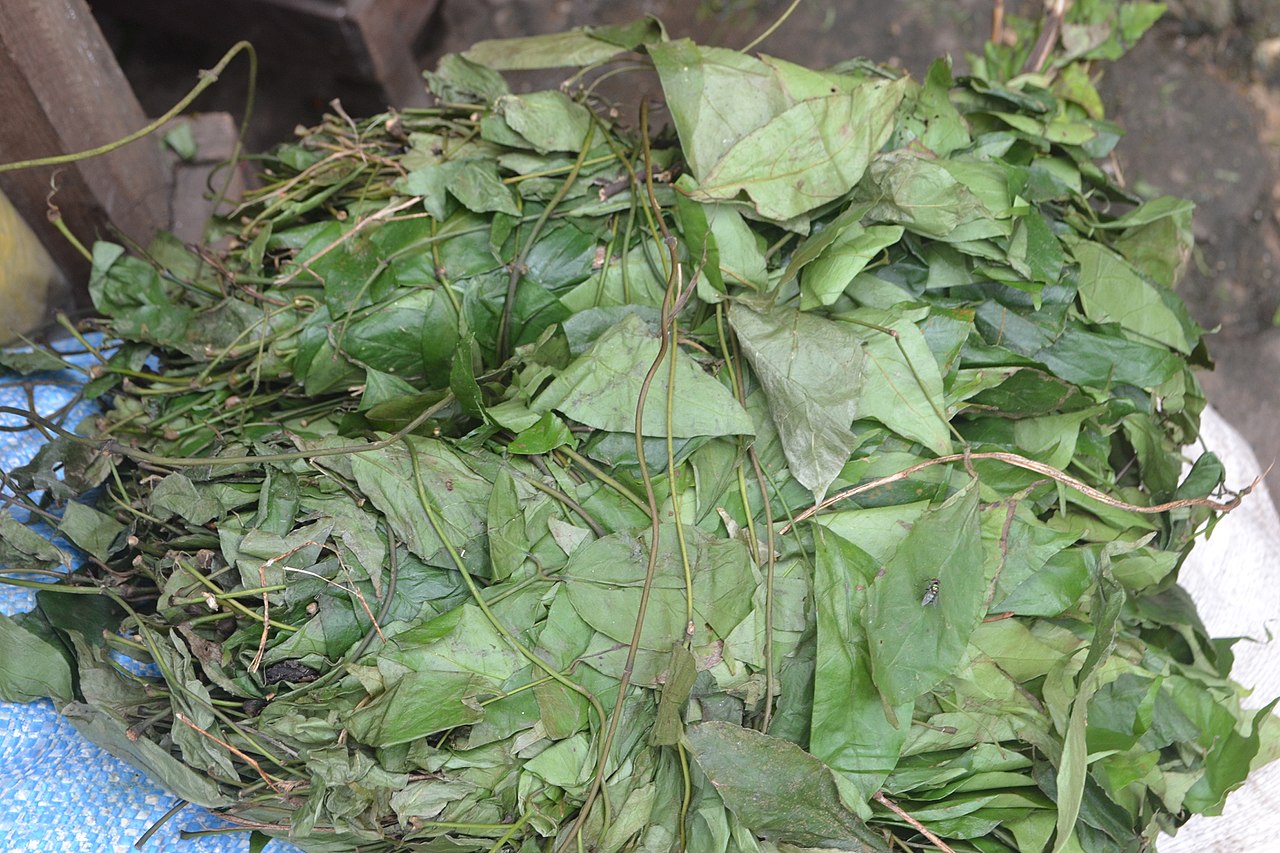
Several Gnetum species have local economic and cultural value. In parts of Southeast Asia and Africa, young leaves and shoots are eaten as leafy vegetables, seeds are sometimes roasted or processed, and different plant parts are used in traditional medicine. Use is generally regional and subsistence-oriented rather than commercial on a large scale. Ethnobotanical accounts document preparation methods, dietary uses and medicinal applications for individual species, but practices vary between regions and communities.
Conservation
Conservation status differs among species. Although the genus as a whole is not regarded as globally threatened, some species have small ranges and face pressures from deforestation, agricultural expansion, selective logging and habitat fragmentation. Species confined to restricted forest patches are particularly vulnerable. Conservation actions recommended for vulnerable Gnetum species include habitat protection, sustainable harvesting guidance, population monitoring and, where appropriate, ex situ cultivation in botanical gardens or seed banks. Because many species are poorly known taxonomically and ecologically, further field surveys and taxonomic work are important for informed conservation.
Taxonomy and research significance
Gnetum has attracted attention from botanists interested in seed-plant evolution because it combines traits typical of gymnosperms with features that resemble flowering plants. Its placement in seed-plant phylogenies has varied as new evidence and molecular data have become available; nevertheless, Gnetum and its relatives are central to discussions about character evolution among seed plants. Ongoing research includes phylogenetic studies, pollination ecology, physiological adaptations to tropical environments, and detailed taxonomic revision to clarify species boundaries.
Further reading and resources
- Family treatments and taxonomic checklists: Gnetaceae overview.
- Regional floras and species descriptions provide local accounts and identification keys; consult local herbarium and flora resources linked through specialist databases (regional plants).
- Pollination and evolutionary studies: comparative work among gnetophytes, including Ephedra, Welwitschia and Gnetum, explores early insect interactions and reproductive biology.
- Paleobotanical literature documents occurrences in the Permian, Triassic, and the debated Jurassic, with a much richer record in the early Cretaceous, including preserved seeds and pollen.
To explore species lists, distribution maps and conservation assessments, consult botanical databases, regional herbaria and specialist monographs that aggregate field observations and taxonomic revisions. Field studies remain important to resolve outstanding questions about species limits, ecological roles and responses to environmental change.
Questions and answers
Q: What is Gnetum?
A: Gnetum is the only genus in the plant family Gnetaceae.
Q: What type of plant is Gnetum?
A: Gnetum is a gymnosperm, which means their seeds are naked.
Q: What is the difference between the seeds of flowering plants and those of Gnetum?
A: The seeds of flowering plants are covered, whereas the seeds of Gnetum are naked.
Q: Where can Gnetum be found?
A: Gnetum grows in warmer, tropical regions of the world.
Q: How many species of Gnetum are there?
A: There are over 50 species of Gnetum living.
Q: Why are some species of Gnetum endangered?
A: Some species of Gnetum are endangered because they only live in small areas, and their habitat is being converted to land for farming.
Q: Have there been fossil records of Gnetum found?
A: Yes, there have been fossil records of Gnetum found dating back to the Permian and the Triassic, with the richest fossil record found during the early Cretaceous.
Related articles
Author
AlegsaOnline.com Gnetum: tropical gnetophytes — appearance, history, uses and conservation Leandro Alegsa
URL: https://en.alegsaonline.com/art/39321
Sources
- apps.kew.org : Kew World Checklist of Selected Plant Families
- conifers.org : "Gnetaceae and Gnetum (gnetophytes) description"
- iucnredlist.org : "Gnetum oxycarpum"
- theplantlist.org : "Gnetum"