
Gilbert du Motier, Marquis de Lafayette
French aristocrat, soldier and political reformer who aided the American Revolution, shaped early French revolutionary ideals and helped promote the Declaration of the Rights of Man.
Overview
Marie-Joseph Paul Yves Roch Gilbert du Motier, better known as the Marquis de Lafayette (1757–1834), was a French nobleman who became a soldier, statesman and prominent advocate of liberal, Enlightenment ideas. He is remembered for his transatlantic role in the late 18th and early 19th centuries: serving with the American revolutionary forces, helping to shape early French revolutionary politics, and arguing for limits on arbitrary power. For a concise biography see biographical summary.
Image gallery
10 Images


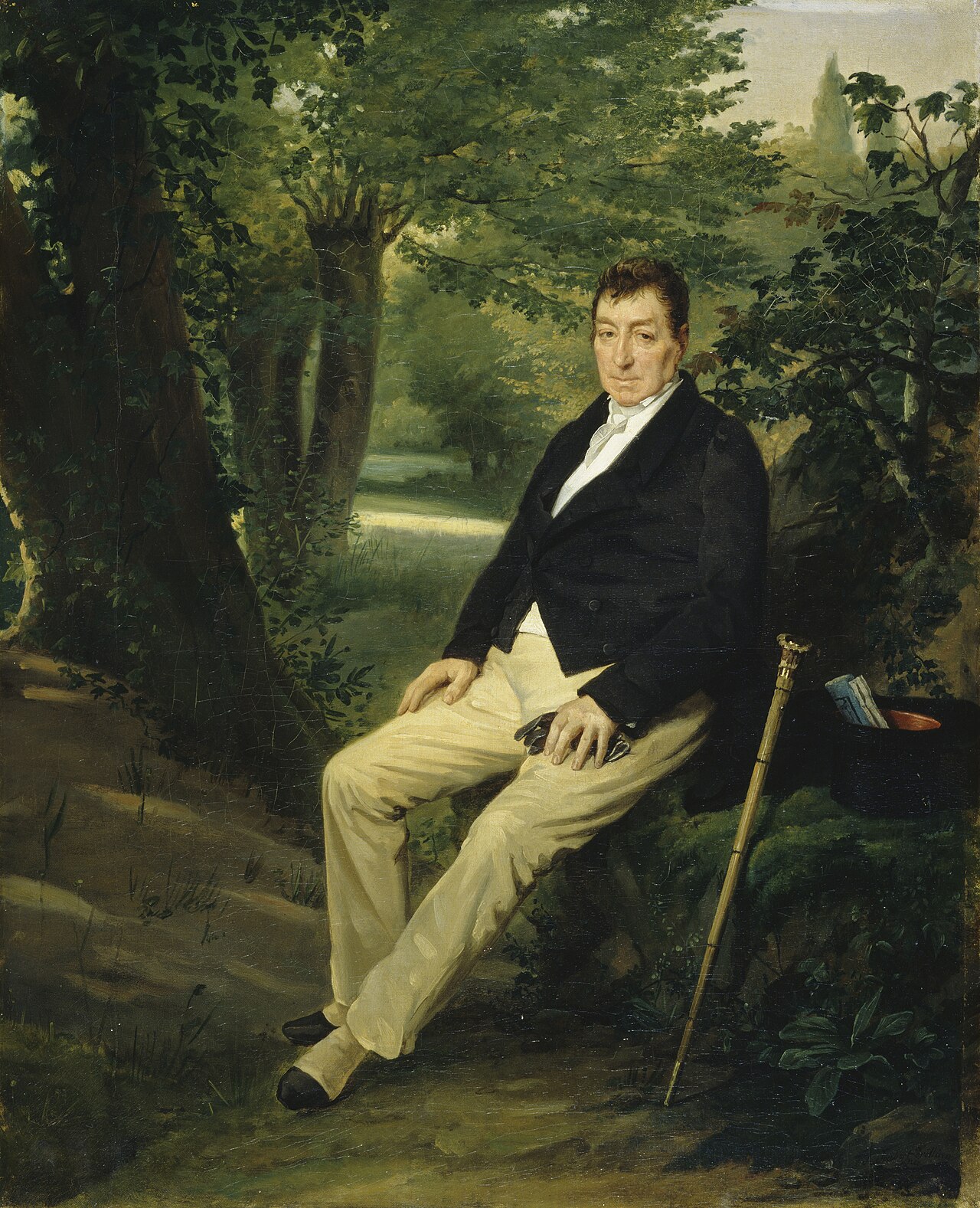


Service in America
As a young officer Lafayette traveled to North America to join the Continental Army, where he won the trust of senior commanders and became closely associated with George Washington. His rank and responsibilities reflected both his personal commitment and the broad support he lent to American independence. Histories of his military role and its significance are discussed at American Revolutionary records and in works on revolutionary diplomacy between France and the United States.
Political activity and the Declaration
Back in France, Lafayette took part in early revolutionary institutions and sought to translate Enlightenment principles into constitutional practice. He helped draft and promote a statement of basic rights that became the Declaration of the Rights of Man and of the Citizen; that effort reflected conversations with foreign supporters and intellectuals. Further information about the Declaration and contributors is available at the declaration overview and commentary on collaborative drafting at documental notes. His political stance has been characterized as liberal constitutionalism; see contemporary appraisals at political thought resources and archived records at parliamentary documents.
Conflicts, imprisonment and return
Lafayette sought a middle path during the Revolution, supporting a limited constitutional monarchy and opposing both unchecked royal power and radical authoritarianism. When the Revolution radicalized he fell out of favor, was briefly imprisoned, and later re-entered public life in changing political circumstances. His contacts with foreign diplomats and thinkers—among them Thomas Jefferson—are noted in correspondence and diplomatic histories; see materials at Jefferson connections, diplomatic summaries at ambassadorial records, and archival items from Paris at Paris collections.
Legacy and significance
Lafayette remained a symbol of transatlantic liberalism: Americans remembered him as a friend of the Republic, and many places bear his name. His life illustrates the interplay of aristocratic privilege and modern political ideals during a period of rapid change. For further reading and thematic guides consult Enlightenment contexts.
- Full name: Marie-Joseph Paul Yves Roch Gilbert du Motier
- Roles: military officer, lawmaker, advocate of constitutional rights
- Notable contributions: service in the American Revolution; influence on the Declaration of the Rights of Man
- Historical importance: symbol of liberal reform and Franco-American cooperation
Related articles
Author
AlegsaOnline.com Gilbert du Motier, Marquis de Lafayette Leandro Alegsa
URL: https://en.alegsaonline.com/art/38806
Sources
- commons.wikimedia.org : Gilbert du Motier, Marquis de Lafayette
- thisisversaillesmadame.blogspot.com : "Adrienne de Noailles, Marquise de La Fayette"