
Gilles de Rais: French noble, soldier, and accused murderer (c.1405–1440)
Gilles de Rais was a 15th‑century French nobleman and companion of Joan of Arc who became famous for wealth, theatrical patronage, alleged crimes against children, and a controversial trial and execution.
Gilles de Rais was a prominent 15th‑century French nobleman who achieved rank and fame in the closing years of the Hundred Years' War and later became notorious for crimes that ended in his execution in 1440. He is remembered for his military role alongside Joan of Arc, for extravagant patronage of the arts, and for an ignominious trial in which he was accused of murdering children. His life and legacy have been the subject of historical study and popular legend.
Image gallery
10 Images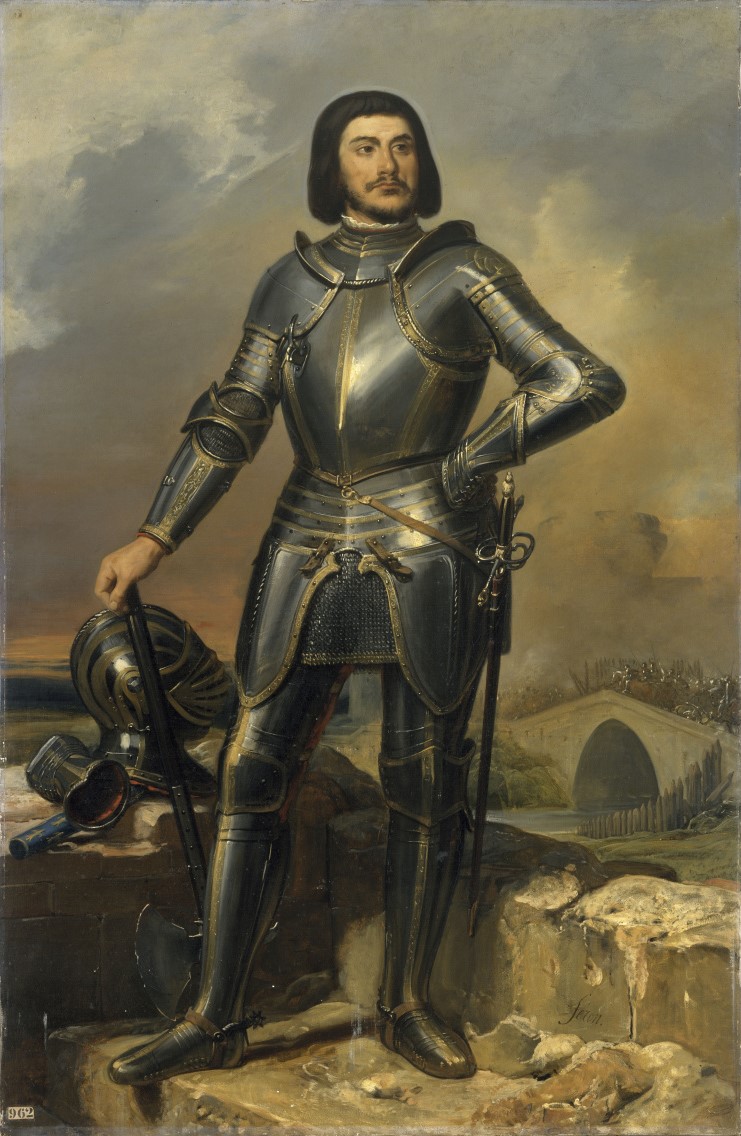


Background and rise
Born into the powerful Rais and Laval families (his parents are usually named as Guy de Laval or Rais and Marie de Craon), Gilles inherited considerable lands and wealth as a young man. He served as a commander during the French campaigns of the 1420s and was promoted to the high military dignity of Marshal of France in 1429. Contemporary accounts emphasize his status, resources and early military reputation rather than the later crimes that overshadowed his career.
Patron of the arts and private pursuits
After his return from campaign, Gilles spent great sums on building, entertainments and theatrical productions—he is known to have organized and financed plays and pageants. He also engaged in esoteric studies that contemporaries described as alchemy and other occult experiments. His lifestyle depleted his fortune and led him to sell land and borrow heavily.
Accusations, trial and execution
Beginning in the mid‑1430s, allegations emerged that Gilles had abducted, abused and murdered children. He was arrested in 1440 and tried by both ecclesiastical and secular courts. He confessed after interrogation; confessions recorded by church investigators and civil authorities formed the basis for his conviction. He was sentenced and executed in October 1440; contemporary records report that he was hanged and his body publicly destroyed.
Controversy and legacy
The number of victims attributed to Gilles de Rais has been debated: medieval testimony and later accounts varied widely, and modern historians dispute some details and motives. Some scholars view the case as a mixture of credible evidence and possible political or financial motives for prosecution. Over time his story entered folklore and literary imagination, and he has often been linked—carefully and not without dissent—to the inspiration for the Bluebeard legend, including claims of influence on tales attributed to Charles Perrault. Readers can find the tale under titles like Bluebeard and related versions noted as the Bluebeard tale.
Notable points
- Military: Marshal of France and companion to leading commanders of his day.
- Cultural patron: financed plays and pageantry that exemplify noble patronage of late medieval culture.
- Criminal case: tried in 1440 on charges of murder and occult practices; his trial combined ecclesiastical and civil procedures.
- Debate: modern scholarship questions details of the evidence, numbers of victims and possible motives behind his prosecution.
Gilles de Rais remains a striking figure because his life combines celebrated martial achievement, conspicuous patronage and one of the most notorious criminal prosecutions of medieval France. His story continues to be examined by historians, legal scholars and those interested in the interaction between history and folklore.
Related articles
Author
AlegsaOnline.com Gilles de Rais: French noble, soldier, and accused murderer (c.1405–1440) Leandro Alegsa
URL: https://en.alegsaonline.com/art/38841