
Gifted education: concepts, history, methods, and controversies
Overview of gifted education: definitions, identification, historical roots, instructional approaches, social and ethical issues, and common distinctions in policy and practice.
Gifted education refers to programs and practices designed to meet the needs of children and adolescents who demonstrate unusually high ability, creativity, or achievement in one or more areas. There is no single global definition: different countries and organizations describe giftedness in terms of aptitude, measured performance, creativity, or combinations of traits. Identification may rely on tests, teacher recommendations, portfolios, or multiple-criteria systems, and debates about thresholds and labels remain active. For an introduction to common definitional approaches, see definitions and criteria.
Image gallery
2 Images
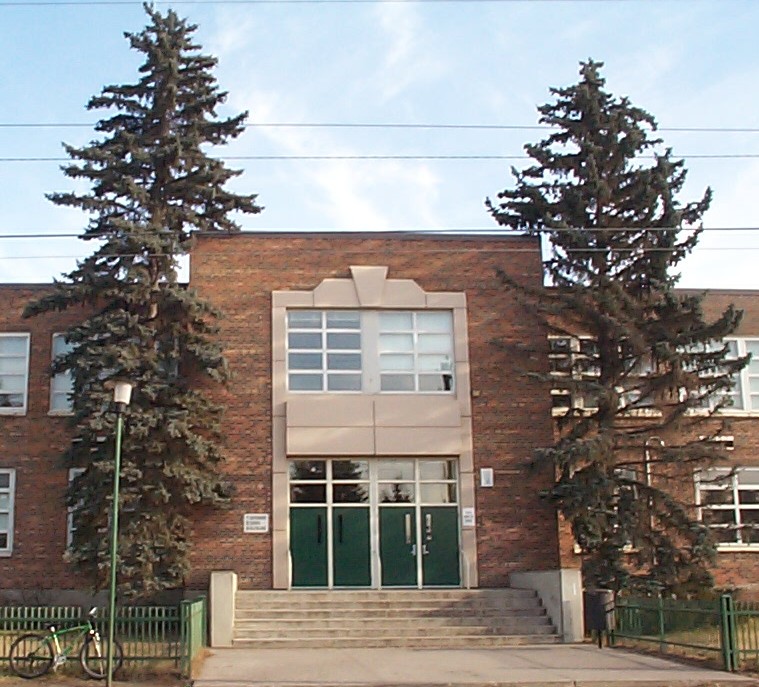
Characteristics and ways of identifying gifted learners
Gifted students often show advanced reasoning, rapid learning, intense curiosity, strong memory, and unusually high performance relative to age peers. They may excel in specific domains (mathematics, language, music, visual arts) or demonstrate broad intellectual giftedness. Common identification methods include standardized aptitude tests, achievement tests, classroom observation, and performance assessments. Policymakers and specialists sometimes adopt percentile cutoffs (for example, top 5–10 percent) or qualitative judgments. Recognizing twice-exceptional learners—those who are gifted and have a disability—requires careful, multidisciplinary assessment.
Historical background
The idea of providing special instruction for exceptionally able young people dates back centuries. Classical thinkers such as Plato argued for selective education of the most capable. In imperial China, talented youths and child prodigies were historically identified and educated for civil service or court roles; examples from the Tang period illustrate early formal pathways for gifted learners (historical accounts, dynastic records). During the European Renaissance patronage and apprenticeships helped cultivate artistic and technical talent (Renaissance patronage). Modern organized programs for gifted children emerged in the 19th and 20th centuries alongside standardized testing and public schooling.
Instructional approaches and program models
Educators use a variety of approaches to respond to advanced learners. Typical models include:
- Acceleration: moving students through curriculum at a faster pace or earlier age (grade-skipping, subject acceleration).
- Enrichment: deeper, broader study that extends beyond the standard curriculum without necessarily increasing pace.
- Pull-out or resource classes: periodic specialized instruction outside the regular classroom.
- Cluster grouping and differentiated instruction: grouping gifted students together and tailoring tasks within the classroom.
- Special schools and residential programs: intensive settings for exceptionally advanced students.
Programs often combine methods and aim to address social and emotional needs as well as academic ones. Advanced coursework such as Advanced Placement or International Baccalaureate can form part of a gifted curriculum in many systems.
Importance, uses, and notable issues
Support for gifted education seeks to prevent underachievement, nurture talent for personal fulfillment and public benefit, and reduce boredom and disengagement. However, practice raises several contested issues: equity of identification (socioeconomic, racial, and linguistic biases in tests), resource allocation, the stigma of labels, and balancing accelerated learning with social development. National and professional groups have articulated working definitions and guidance; for example, some position papers emphasize both aptitude and demonstrated achievement as markers of giftedness (policy statements).
Distinctions and further reading
Gifted education differs from remedial or special education in purpose and methods but shares the need for individualized planning. It is distinct from enrichment programs aimed at general high achievers and from talent development systems for specific performance domains. For practitioners and families, effective practice relies on high-quality assessment, flexible programming, attention to social-emotional development, and ongoing evaluation. For introductions and comparative policy overviews consult specialist resources and professional organizations linked here: definitions and guidance, historical summaries, and case examples.
Related articles
Author
AlegsaOnline.com Gifted education: concepts, history, methods, and controversies Leandro Alegsa
URL: https://en.alegsaonline.com/art/38768
Sources
- nagc.org : nagc.org