
Goethe University Frankfurt (Goethe-Universität Frankfurt am Main)
Public, research-focused university in Frankfurt am Main. Founded 1914, it enrolls about 38,000 students, has 16 faculties, over 600 professors and one of Germany’s largest academic libraries.
Goethe University Frankfurt is a major public research university located in Frankfurt am Main, Germany. Established in 1914, it has grown into one of the country's larger universities, with roughly 38,000 students enrolled across undergraduate, graduate and doctoral programs. The institution is named in honor of the writer and statesman Johann Wolfgang von Goethe and combines teaching, research and applied scholarship in the humanities, sciences, social sciences and medicine. For general information see Goethe University.
Image gallery
7 Images




Structure and campuses
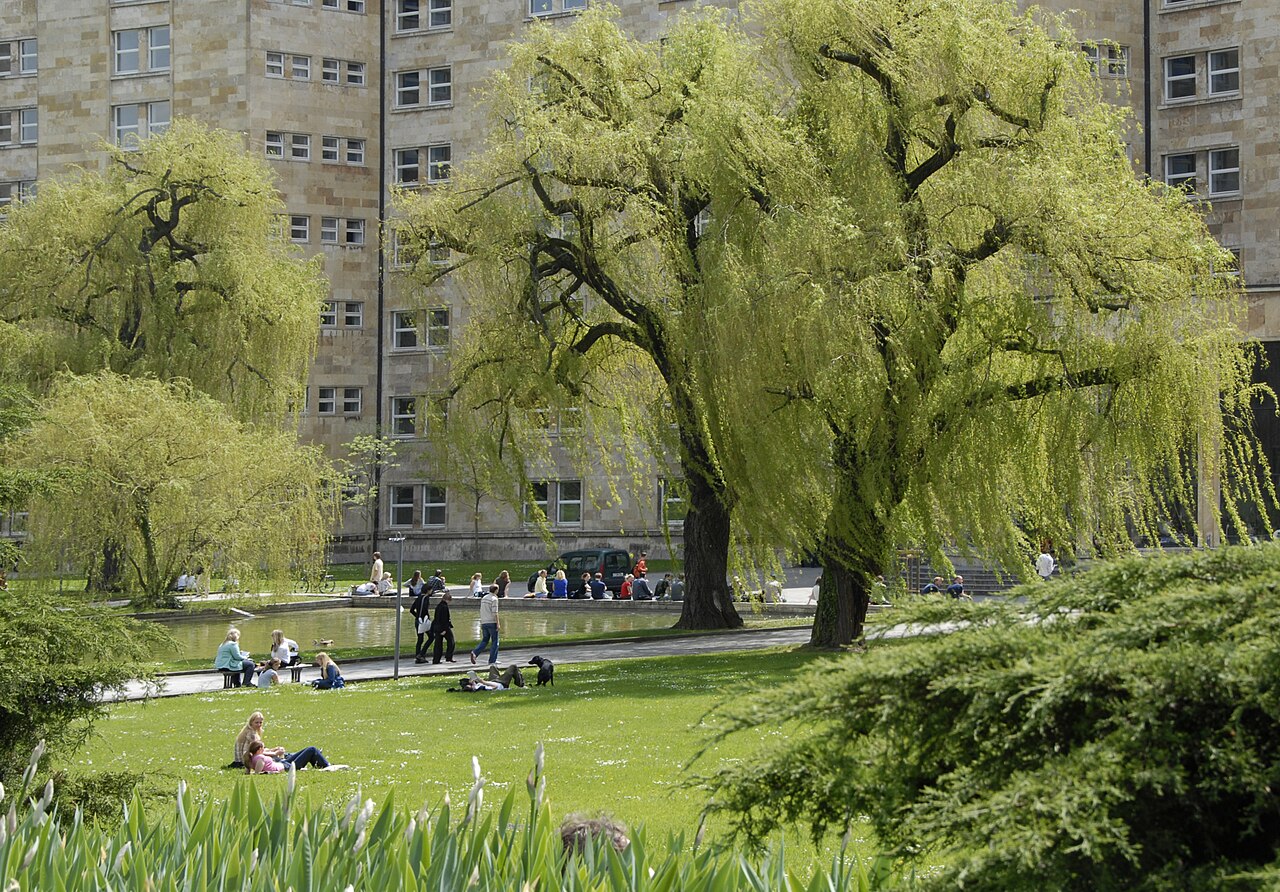
The university is organized into 16 faculties that together offer around 170 distinct study programs, from bachelor’s degrees to research doctorates. Teaching and research are distributed across several campuses and sites: the historic Westend Campus hosts many of the humanities, law and social science departments; the Riedberg Campus is the center for natural sciences; medical education and clinical research are associated with the university hospital on the Niederrad site. A concise guide to faculties and study options is available at faculties and programs.
History and development
Founded in the early 20th century, the university was created to serve the rapidly growing commercial and cultural center of Frankfurt. Over the decades it expanded its academic offerings and research capacity, adding modern science facilities and a university hospital. The name honors Goethe to emphasize ties to the city’s cultural heritage and to reflect a broad humanistic educational ideal. More historical context can be found via the university’s own resources at history and milestones.
Research, teaching and library resources
Goethe University is research-intensive: it supports more than 600 teaching and research professors who work in interdisciplinary centers and institutes. Research strengths include finance and economics, law, medicine, life and natural sciences, social sciences and cultural studies. The university maintains extensive library holdings and electronic collections; its central and subject libraries together form one of the larger academic library systems in Germany, offering comprehensive services for students and researchers. Library services and collections are described at library information and faculty details at academic staff and research.
Role, importance and examples of activity
As the principal public university in Frankfurt, the institution plays a key role in regional education, research collaboration and cultural life. It trains professionals for the city’s finance, healthcare and legal sectors and participates in national and international research projects. The university also hosts public lectures, exhibitions and interdisciplinary initiatives that connect academic work with civic and business communities.
Distinctive facts
- Founded in 1914 and named for Johann Wolfgang von Goethe.
- About 38,000 students across many degree levels and programs.
- Organized in 16 faculties offering roughly 170 programs.
- More than 600 academic staff engaged in teaching and research.
- Large, integrated library system supporting interdisciplinary scholarship.
For prospective students, researchers and visitors the university offers a broad range of services and information online; official portals and detailed descriptions of departments, admission rules and research projects are accessible through the university’s information pages cited above (main site, history, faculties, library, research and staff).
Related articles
Author
AlegsaOnline.com Goethe University Frankfurt (Goethe-Universität Frankfurt am Main) Leandro Alegsa
URL: https://en.alegsaonline.com/art/39418