
Golden Triangle (universities)
Informal term for a group of leading UK universities centred on Oxford, Cambridge and major London colleges, noted for high research income, collaboration and economic impact.
The "Golden Triangle" is an informal label used to describe a cluster of prominent British universities concentrated around the southern cities of Oxford, Cambridge and London. At its core are the historic universities of University of Oxford and University of Cambridge — often jointly referred to as Oxbridge — together with major London institutions such as Imperial College and the group of colleges typified by University College London, King's College London and the London School of Economics and Political Science. Many of these London colleges have historical or administrative links to the University of London.
Image gallery
6 Images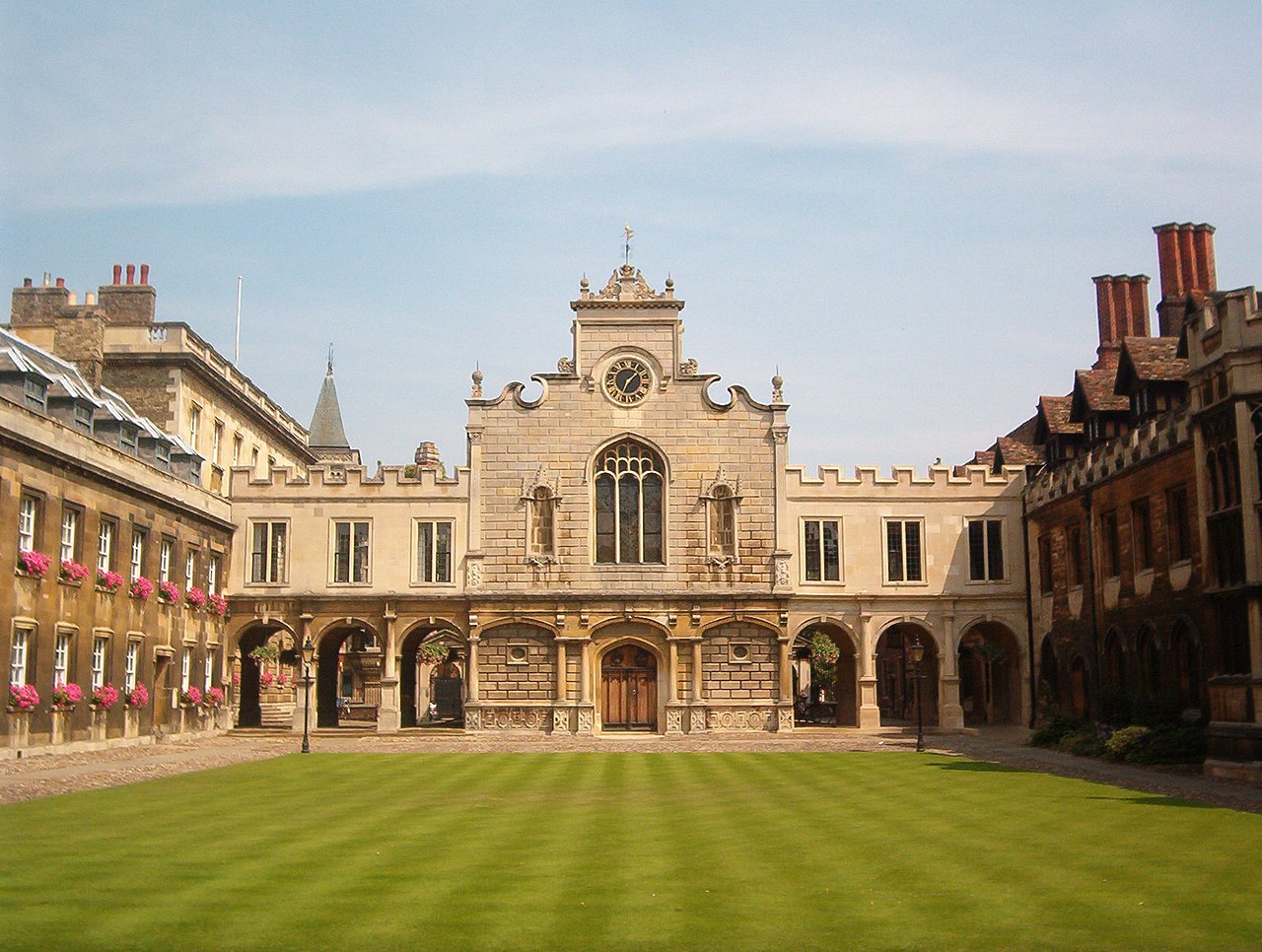


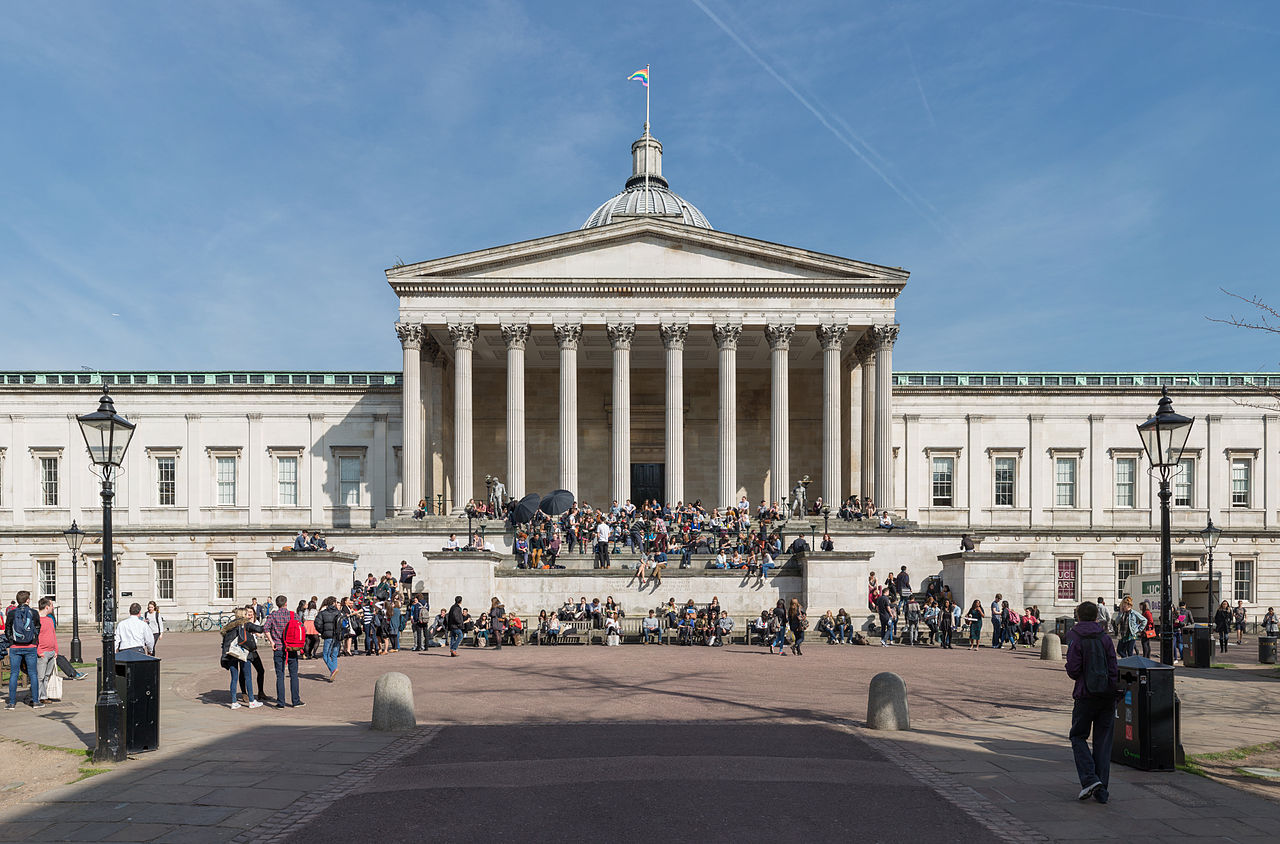


Composition and characteristics
The Golden Triangle is not a formal organisation but a shorthand for universities that share several characteristics: longstanding academic reputations, consistently high placements in national and international rankings, large research budgets, and concentration of postgraduate and research activity. Typical members are research-intensive and attract substantial funding from government bodies, charities and industry, which in turn supports laboratories, medical schools and graduate programmes.
Research, collaboration and economic impact
Institutions within the Golden Triangle commonly collaborate on research projects, doctoral training and clinical partnerships. Large biomedical and life-sciences programmes often span multiple members; for example, a biomedical research cluster brings together Oxford, Cambridge, Imperial, UCL, King's and other London partners to coordinate translational work and clinical trials. These collaborations extend the universities' influence on regional economies through spin-out companies, technology transfer and professional services.
History and usage
The phrase emerged as analysts and commentators sought a concise way to describe the concentration of elite higher education resources in the south of England. Over time it has been used by journalists, policy-makers and funders to discuss regional disparities, the allocation of research funding, and student recruitment patterns. Although rooted in geography, the term primarily signals prestige and research capacity rather than any legal or organisational bond.
Debates and alternatives
The Golden Triangle label has attracted debate. Critics argue it exaggerates a south‑east bias and underrepresents other high-performing institutions. Proposals to adopt broader terms — for example to recognise influential universities such as Manchester and Edinburgh — reflect calls to acknowledge a more geographically diverse group of research leaders. Such discussions inform national strategies on funding distribution and regional development.
Notable facts and distinctions
- Informal grouping: membership is flexible and used for analysis rather than governance.
- Research focus: members often top tables for research income and doctoral supervision.
- Collaboration: shared centres and consortia link universities across the triangle to tackle large-scale scientific and medical challenges.
- Policy relevance: the concept is frequently cited in debates about higher education investment and regional inequality.
While the Golden Triangle remains a useful shorthand for a concentration of elite British universities, it is best understood as a descriptive term that highlights patterns of research strength and influence rather than a fixed or exhaustive list. For more general context about the cities and institutions involved, see the linked entries above.
Questions and answers
Q: What is the Golden Triangle?
A: The Golden Triangle is an unofficial name for a set of leading universities in the southern English cities of Oxford, Cambridge and London.
Q: Who are the universities that make up the Golden Triangle?
A: The University of Oxford and the University of Cambridge ('Oxbridge') form two corners of the triangle. The third is London: Imperial College, University College London, King's College London and the London School of Economics and Political Science (LSE). The last three are independent colleges of the University of London.
Q: What do these universities attract?
A: These universities within the triangle (with the exception of the LSE) attract the highest research incomes of all British universities.
Q: Is there any suggestion to replace "Golden Triangle"?
A: Yes, it has been suggested that it should be replaced by a term like "Brilliant Diamond", to include other institutions such as Manchester and Edinburgh which belong in same class as those in Golden Triangle.
Q: How do some institutions within this area collaborate?
A: Oxford, Cambridge and some of the London institutions collaborate in research through Global Medical Excellence Cluster (GMEC) for biomedical research which was formed by them.
Q: What are some other universities included in GMEC?
A: Other than Oxford, Cambridge and some London institutions, Queen Mary University of London is also part of GMEC.
Related articles
Author
AlegsaOnline.com Golden Triangle (universities) Leandro Alegsa
URL: https://en.alegsaonline.com/art/39519
Sources
- nature.com : "Golden opportunities"
- timeshighereducation.co.uk : "Oxbridge windfall"
- independent.co.uk : "UK universities slip in rankings"
- timeshighereducation.co.uk : "In research, small is just as beautiful"
- timeshighereducation.co.uk : "'Golden triangle' to win funding riches"
- ucl.ac.uk : "The future of the University of London: a discussion paper from the Provost of UCL"
- guardian.co.uk : "Gold rush"
- books.google.com : OECD Reviews of Regional Innovation OECD Reviews of Regional Innovation, North of England, UK
- newscientist.com : "England's golden triangle"
- timeshighereducation.co.uk : "The golden triangle holds the secret"
- books.google.com : The future sustainability of the higher education sector
- manchestereveningnews.co.uk : Brilliant Diamond
- gmecuk.com : "GMEC"
- theguardian.com : "Collaborate and listen, The Guardian, Tuesday 19 December 2006"