
Ghillie suit: design, history, uses, and practical considerations
A ghillie suit is a three-dimensional form of camouflage originally developed in Scotland and now used by snipers, hunters, and photographers to conceal a human silhouette in natural terrain.
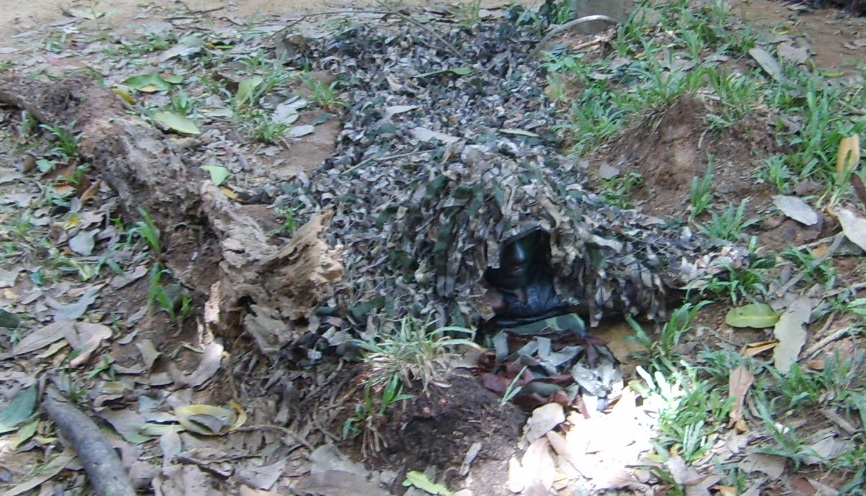
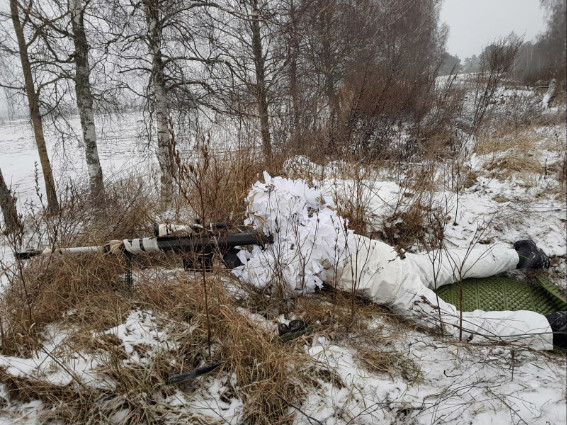
A ghillie suit is a specialist form of military and field camouflage designed to conceal a person by breaking up their outline and blending them into surrounding vegetation. Unlike flat patterned uniforms, a ghillie suit adds depth and irregular texture so light, shadow and profile are disrupted. It is widely associated with snipers and long‑range concealment, but also used by wildlife photographers, hunters and some law enforcement units. The basic idea is to appear as part of the terrain rather than as a recognisable human shape.
Image gallery
8 Images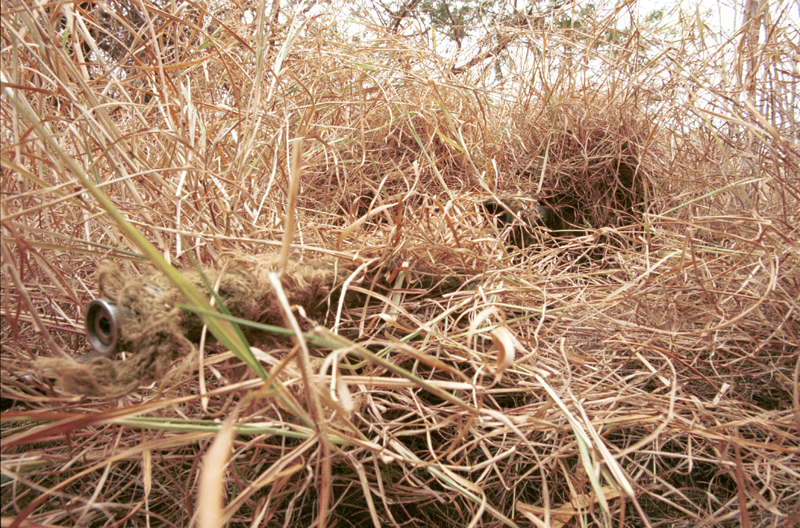


Design and materials
Typical ghillie suits are built on a net or coarse fabric base to which loose strands, strips or tufts are attached. Common materials include burlap or jute, natural fibres, and modern synthetic yarns; lighter synthetic options resist mildew and shed less dirt while natural materials can match local foliage more closely. A full set usually includes a jacket or smock, trousers and a hood or veil to cover the head and face.
- Base layer: netting, mesh or smock to carry attachments.
- Camouflage strands: burlap, jute, yarn or synthetic strips.
- Local vegetation: fresh leaves and twigs are often added to match the immediate terrain.
- Accessories: face veils, gloves, and boots with added material for continuity.
History and development
The name comes from the Scottish word "ghillie," originally referring to outdoor servants and gamekeepers who worked in rough country. Field dress that mimicked foliage was formalised by hunters and later adopted by military units; specialised concealment was notably developed by marksmen and scouts in the early 20th century. Since then, many armies refined the technique and adapted it to different climates and mission requirements.
Uses, strengths and drawbacks
When well constructed and matched to the environment, a ghillie suit can make a person extremely difficult to detect at close range — sometimes remaining unseen by a soldier nearby. Advantages include superior three‑dimensional disruption of the human silhouette and flexibility to incorporate live vegetation. Disadvantages are weight, heat buildup, reduced mobility, and the risk of snagging on undergrowth or exposing the wearer to increased fire hazard. Modern surveillance, such as thermal imaging and motion sensors, has also reduced effectiveness in some contexts.
Care, variations and practical guidance
Ghillie suits are most effective when tailored to a particular environment: a suit intended for woodland will look wrong in desert scrub. Maintenance includes repairing the mesh, replacing degraded fibres and keeping the suit dry and free from mould. Lightweight variations and ghillie nets provide similar concealment with different tradeoffs; some users combine a lightweight base garment with detachable foliage. For more information about camouflage principles and legal or safety considerations, see resources on camouflage, material choices like burlap, and advice on matching terrain. Practical tutorials and community guides often discuss field techniques and how to avoid detection while minimising environmental impact — for example by not harvesting rare plants — and how to stay safe when operating in close cover. Additional operational context and training for concealment can be found through professional manuals and training sites on silhouette reduction and close‑range concealment.
Author
AlegsaOnline.com Ghillie suit: design, history, uses, and practical considerations Leandro Alegsa
URL: https://en.alegsaonline.com/art/38642