
Gesualdo — Italian town in Avellino with a notable musical heritage
Gesualdo is a small Italian comune in Campania's Avellino province, known for its medieval setting, rural surroundings and association with the Renaissance composer Carlo Gesualdo.
Gesualdo is a small Italian comune located in the inland hills of Campania, within the province of Avellino. The town has a compact historic centre and a population of roughly 3,800 inhabitants. Its economy remains largely local and rural, with agriculture and small-scale services complemented by cultural tourism linked to its historic buildings and musical legacy.
Image gallery
1 Image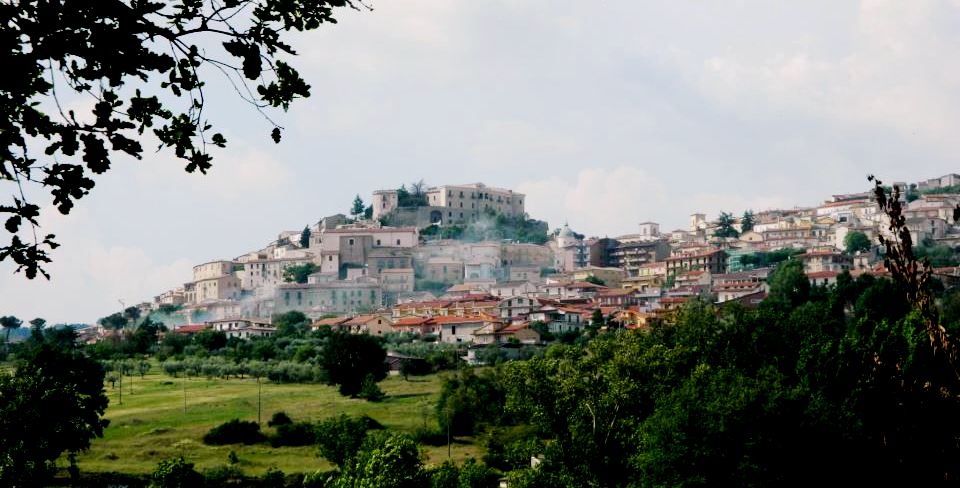
Geography
Perched among the rolling landscapes of the Irpinia area, Gesualdo occupies a modest hilltop site. It borders several neighbouring municipalities that form a cluster of small towns and villages in the province:
- Sturno
- Villamaina
- Frigento
- Fontanarosa
- Grottaminarda
History
The settlement grew in the medieval period around feudal holdings and a defensive castle. Over centuries it remained a relatively quiet rural community while preserving historic architecture such as stone houses, narrow lanes and the elevated castle that dominates the townscape. Its name is best known beyond the region because of the association with a prominent Renaissance aristocrat and musician.
Culture and sights
Visitors to Gesualdo encounter a mix of rural Campanian life and historical landmarks. The central castle and the older parts of the town reflect the feudal past; churches and small chapels show local religious traditions. Cultural activity in the town often highlights the life and works of its most famous resident, attracting scholars and listeners interested in late Renaissance music and early modern aesthetics. Local events and guided visits aim to connect the musical history with the physical sites where it unfolded.
Notable person
Carlo Gesualdo, a member of the aristocratic Gesualdo family and a renowned Renaissance composer, lived at the castle in the town. He is celebrated for intensely expressive madrigals and experimental chromaticism that were unusual for his era; these compositions remain studied and performed today. Gesualdo is also infamous for a personal episode in which he killed his wife and her lover, an event that has long coloured his historical reputation. The castle where he resided is often pointed out to visitors as a tangible link with this complex figure; parts of the structure and surrounding area are associated with his life and patronage (castle).
As a destination, Gesualdo appeals to people interested in history, music history and rural Italian culture. Its scale and setting make it a representative example of small-town life in inland Campania, while the connection to Carlo Gesualdo gives it an outsized presence in studies of Renaissance music and biography.
Related articles
Author
AlegsaOnline.com Gesualdo — Italian town in Avellino with a notable musical heritage Leandro Alegsa
URL: https://en.alegsaonline.com/art/38561