
Gestapo: the secret state police of Nazi Germany
The Gestapo (Geheime Staatspolizei) was Nazi Germany’s secret political police. Formed in 1933, it used surveillance, arrests without judicial review, and terror to suppress opposition and enforce racial policies.
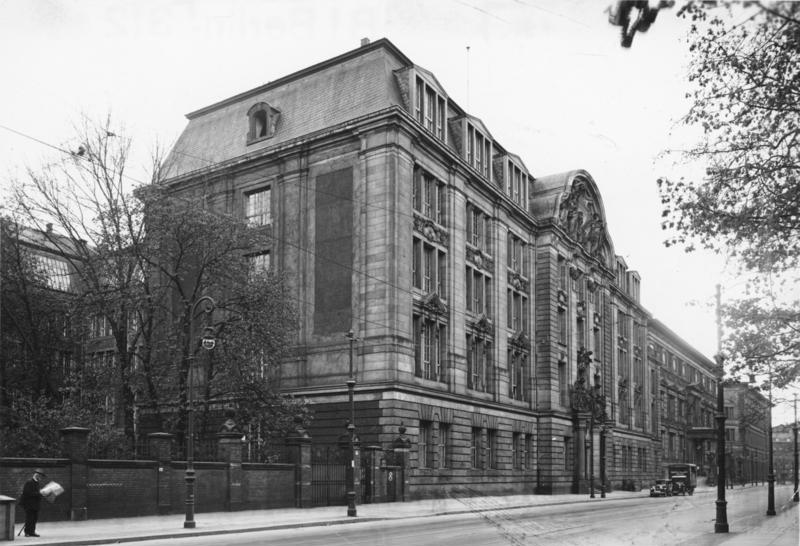
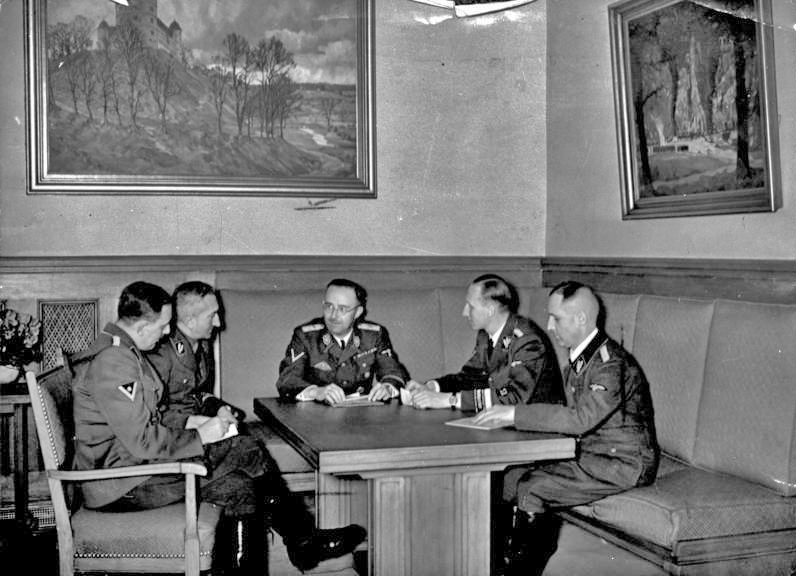
Overview — The Gestapo was the political secret police of Nazi Germany, established in 1933. Its name is an abbreviation of Geheime Staatspolizei, which translates as “secret state police.” Initially created by Hermann Göring in Prussia, it quickly came under the influence and administrative control of the SS and its leaders, including Heinrich Himmler and Reinhard Heydrich. The organization operated as an instrument of political repression, charged with identifying, monitoring and neutralizing perceived enemies of the regime.
Image gallery
10 Images




Organization and legal standing
Structurally the Gestapo sat within the wider SS security apparatus and was integrated into the Reich Main Security Office (RSHA) as the Nazi state centralized control of police and intelligence. It worked alongside regular police, intelligence units and concentration camp authorities but was distinguished by its focus on political policing. The Gestapo had the power to detain individuals outside normal judicial procedures under so-called “protective custody,” and to send detainees to concentration camps without judicial oversight.
Methods and areas of activity
The Gestapo used a mix of covert surveillance, informants, censorship, interrogation, and torture to suppress dissent. It maintained networks of civilian informers and relied on administrative measures as well as physical coercion. Typical targets included political opponents, resistance groups, trade unionists, émigrés, Roma, homosexuals and, centrally, Jews—categories defined by the regime’s racist and political ideology. The agency also played a central operational role in deportations and the enforcement of racial policies that formed part of The Holocaust.
Characteristics
- Extrajudicial power: Able to arrest and detain without court orders (arrest and detention powers).
- Integration with the SS: Administered within the SS and linked to the RSHA, under leaders such as Himmler and Heydrich.
- Surveillance state: Extensive use of informants and records to monitor populations.
- Coordination: Worked with other state agencies, local police, and paramilitary formations.
History and development
The Gestapo emerged in the early months of Nazi rule as part of rapid authoritarian consolidation. Founded in Prussia by Göring, its reach expanded as the regime centralized policing across the country. From the mid-1930s onward the Gestapo became a key organ of state terror, extending its methods across occupied Europe during World War II. Its activities were closely tied to SS policy-making and to leaders who prioritized political control and racial persecution.
Aftermath and legacy
After 1945 the Gestapo ceased to exist. At the Nuremberg trials and in postwar legal processes the SS, which had absorbed the Gestapo, was declared a criminal organization; numerous former Gestapo officers were investigated or prosecuted for war crimes and crimes against humanity. Today the Gestapo remains emblematic of state terror and the erosion of rule of law, studied in history, law and human-rights scholarship as a warning about unchecked police power.
For further context and archival resources see related entries on the official secret police, biographies of Göring and Heydrich, the structure of the Schutzstaffel (SS), the role of police in Prussia (Prussia), and documentary records linked from institutional collections (Himmler, arrest, The Holocaust).
Author
AlegsaOnline.com Gestapo: the secret state police of Nazi Germany Leandro Alegsa
URL: https://en.alegsaonline.com/art/38554