
Germanwings — German low-cost airline and its history
Germanwings was a Cologne-based low-cost carrier owned by Lufthansa, known for short-haul European services and for the 2015 A320 crash in the French Alps that led to major operational changes.
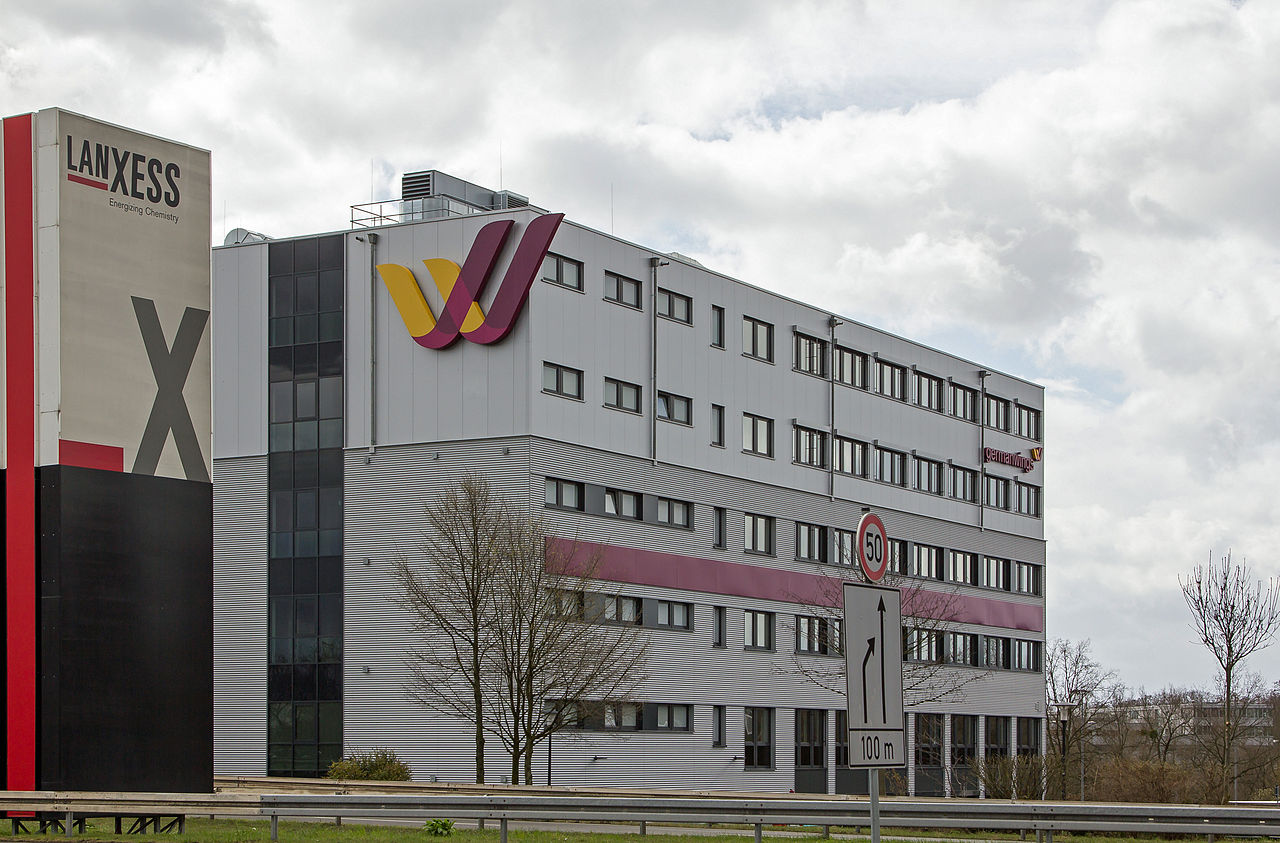
Germanwings was a German low-cost airline established in 2002 and operated as a subsidiary of Lufthansa. Headquartered in Cologne, the carrier focused on short-haul routes within Europe and operated a fleet built largely around the Airbus A320 family. At its peak the airline maintained a network connecting some 86 airports and flew with a fleet of more than eighty aircraft.

Image gallery
6 Images




History and business model
Founded to compete in the growing budget segment, Germanwings adopted a low-cost model emphasizing point‑to‑point service, simplified fare structures and ancillary revenue such as baggage and seat selection fees. While independent in brand identity, its ownership and strategic direction were tied to the policies of its parent company. The airline served a mix of leisure and business travelers on short European sectors and commonly used secondary airports alongside larger city airports.
Fleet and operations
The carrier primarily flew Airbus narrow‑body aircraft, especially A319 and A320 variants suited to short- and medium-distance routes. Typical features of its operations included higher seat density than traditional network airlines, rapid aircraft turnaround times, and a focus on cost control. Route offerings shifted over time in response to market demand and the broader strategy of its parent company.
2015 crash and investigation
On 24 March 2015, Germanwings Flight 9525, an Airbus A320 operating from Barcelona to Düsseldorf, crashed in the French Alps. All 150 people aboard were killed, making it the deadliest accident in the airline’s history. Subsequent official probes examined flight recorders and cockpit procedures; the formal investigation concluded the aircraft’s controlled descent was caused by a deliberate act by one of the flight crew, which prompted international reviews of pilot health checks and cockpit access rules.
Aftermath and legacy
The accident had lasting effects on aviation safety practice and on the airline itself. In the years following the crash, the Germanwings brand and its short-haul operations were progressively consolidated into other group carriers as part of a reorganization of short-haul services. The incident remains a key case in discussions about mental health screening for flight crews, cockpit security procedures, and crisis response in commercial aviation.
Notable points
- Low-cost carrier model within a major airline group.
- Mainly operated Airbus A320-family aircraft for European routes.
- The 2015 crash prompted regulatory and operational changes in Europe and beyond.
For further official material and reports, see resources published by aviation authorities and the airline’s parent company, and consult dedicated accident investigation summaries for technical details.
Related articles
Author
AlegsaOnline.com Germanwings — German low-cost airline and its history Leandro Alegsa
URL: https://en.alegsaonline.com/art/38487