
Lufthansa — German flag carrier and major European airline
Overview of Deutsche Lufthansa AG: network, hubs, fleet, group structure, alliances, frequent-flyer program and historical background of Germany’s principal airline.
Overview
Deutsche Lufthansa AG, commonly called Lufthansa, is the largest commercial airline based in Germany and one of the biggest carriers in Europe. It operates a global schedule of passenger and cargo services and is often described as the largest airline in its home market. The company serves a mix of long-haul and regional routes and combines scheduled flights with group-level brands and subsidiaries.

Image gallery
10 Images


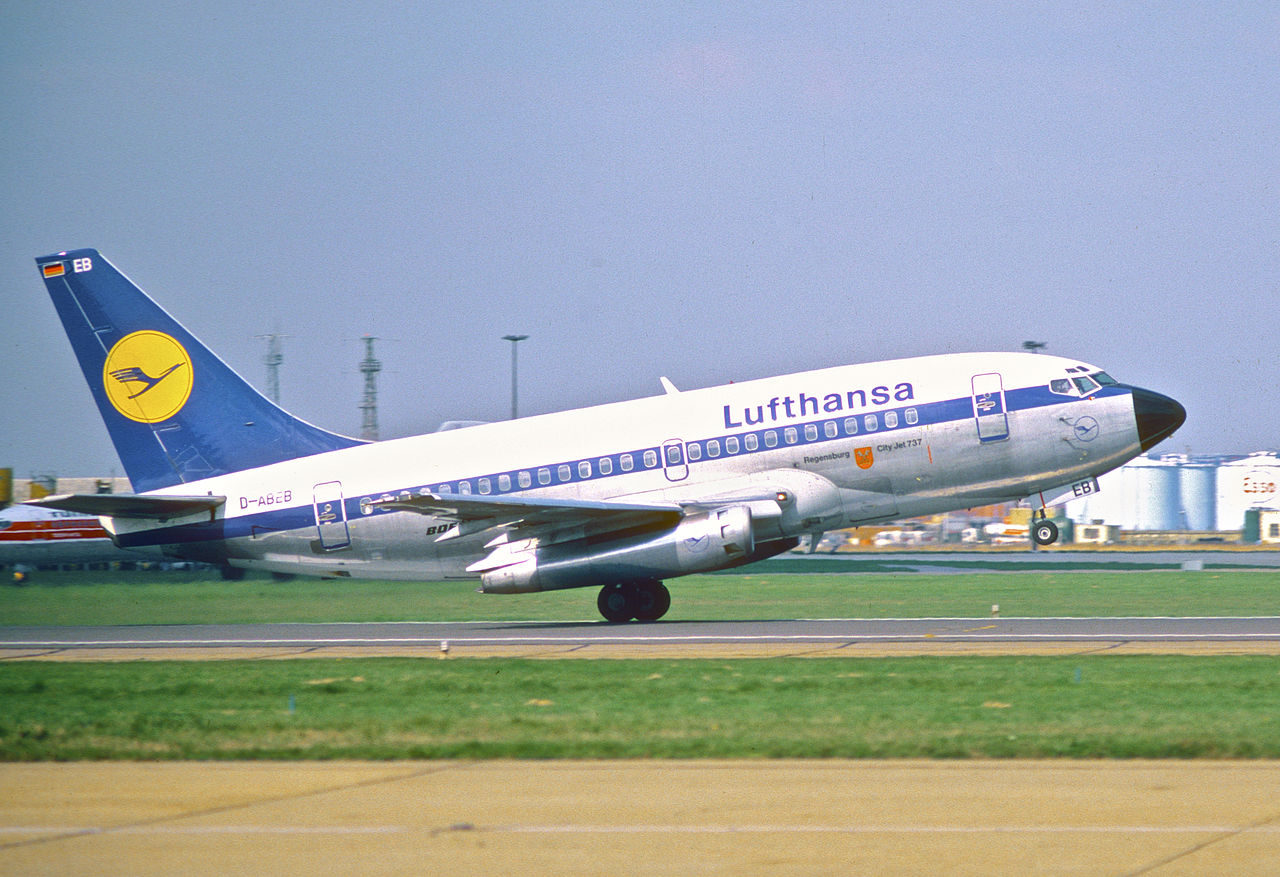


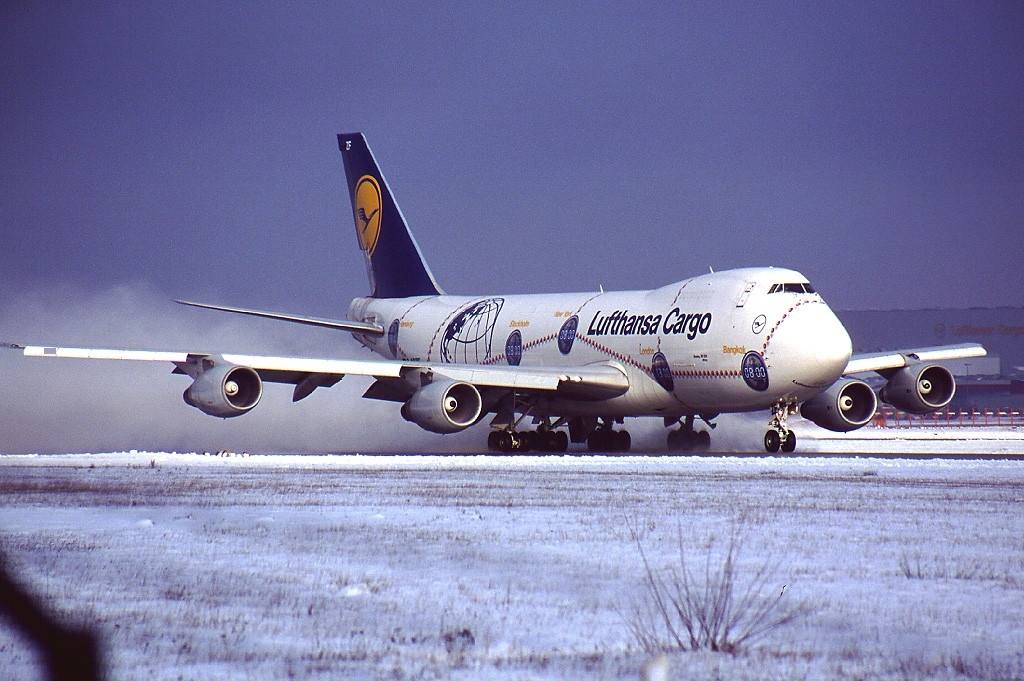

Network and hubs
Lufthansa maintains several primary hubs that concentrate connecting traffic and airline services. The best known are the airports in Frankfurt am Main and Munich, where passengers change planes or connect between flights; a hub in this sense is an airport that functions as a transfer point for onward travel. From these hubs the airline offers long-haul flights to regions including North America, Asia and Africa, while denser intra-European routes are typically served with smaller aircraft on short-haul rotations.
Fleet and equipment
Lufthansa operates a mixed fleet supplied by major manufacturers such as Boeing and Airbus. The airline deploys larger wide-body aircraft for intercontinental services and narrow-body jets for European and domestic routes. Fleet planning also includes newer, more fuel-efficient types and ongoing modernization to improve range, comfort and environmental performance. Cabin configurations usually span economy, premium economy, business and first classes, depending on route and aircraft.
Group structure and regional services
Lufthansa is part of a broader corporate group that includes several national and regional carriers. The group’s network is supported by regional operators and affiliates that help feed traffic into the mainline hubs. Examples of carriers and branded operations associated with the group include Lufthansa CityLine, Eurowings and Air Dolomiti; these partners handle many shorter sectors and regional connections on behalf of the parent airline.
Alliances, partnerships and loyalty
The airline is a founding member of a major global alliance: it belongs to the Star Alliance, a cooperative network that improves connections and benefits for travelers. As a member, Lufthansa works with other partners including United Airlines and Air Canada to coordinate schedules and reciprocal services. The carrier’s frequent-flyer program, Miles & More, rewards passengers with miles that can be redeemed for flights, upgrades and partner services and is a central part of the airline’s customer strategy.
History and notable points
Lufthansa traces its origins to earlier German airlines of the 20th century and was reestablished in the postwar era; it developed into a modern international carrier with a strong reputation for engineering, safety and service. The company has been involved in fleet renewal, network adjustments and environmental initiatives such as investments in more efficient aircraft and carbon-offset options for travelers. Lufthansa also plays a major role in Germany’s transport infrastructure and remains a frequently cited example of a traditional flag carrier adapting to a competitive and changing aviation market.
Practical information and distinctions
- Long-haul vs short-haul: long-haul flights connect distant continents, while short-haul flights link nearby cities.
- Subsidiaries: a mix of full-service and low-cost operations help the group serve varied markets.
- Alliance benefits: Star Alliance membership enhances route options, codeshares and frequent-flyer reciprocity.
For travelers and observers, Lufthansa is notable both as a major European carrier and as the central brand of a larger aviation group that blends mainline intercontinental services with regional and low-cost operations.
History
→ Main article: History of Lufthansa
Today's Deutsche Lufthansa AG was initially founded in 1953 as Aktiengesellschaft für Luftverkehrsbedarf (LUFTAG) and renamed Deutsche Lufthansa AG in 1954 following the acquisition of the rights to the traditional Lufthansa company name. The company began scheduled flight operations on 1 April 1955. By 1963, Deutsche Lufthansa AG was almost 100 per cent state-owned. It was still the official flag carrier of the Federal Republic of Germany until 1994. Since 1997 Deutsche Lufthansa AG has been fully privatised. Since September 1997 Lufthansa has issued registered shares with restricted transferability in order to be able at any time to provide the proof required by air transport agreements and EU directives that the majority of Lufthansa shares are in German hands.
Since the mid-1990s Deutsche Lufthansa AG has developed into today's aviation group with various business segments managed as independent subsidiaries, including airfreight in Lufthansa Cargo AG, aircraft maintenance in Lufthansa Technik AG and catering in LSG Service Holding AG. Since the mid-2000s Deutsche Lufthansa AG has also taken over several European airlines, including Swiss International Air Lines, Austrian Airlines, Brussels Airlines, Air Dolomiti, Eurowings, parts of Air Berlin and for a time British Midland Airways.
Today's company is not a legal successor to a "first" company, Deutsche Luft Hansa AG, which was founded in Berlin as early as 1926, was influenced by National Socialism from 1933 onwards, and ceased its flight operations at the end of the Second World War in 1945 (final liquidation in 1951 by the Allies).
Corporate Structure
While the Group (Lufthansa Group) including Lufthansa Passenger Airlines is directly managed by Deutsche Lufthansa AG under company law, its formally independent subsidiaries are managed indirectly via the supervisory and executive bodies there.
The Group Executive Board manages the entire Group with its six areas of responsibility: Chairman of the Executive Board, Commercial Network Airlines, Digital & Finance, Airline Resources & Operations Standards, Customer & Corporate Responsibility, and Human Resources, Legal and M&A. Carsten Spohr has been Chairman of the Executive Board since 1 May 2014, succeeding Christoph Franz. Karl-Ludwig Kley has been Chairman of the Supervisory Board since September 2017. The company's registered office and head office are in Cologne, but business is managed at the Lufthansa Aviation Center at Frankfurt Airport, which opened in 2005. All departments close to the operational business are housed there. Around 300 employees from insurance, administration and IT are based at the head office in Cologne. The other departments were already relocated from Cologne to Frankfurt in the 1980s, partly against the resistance of the employees.
In 2018, the Group employed an average of 134,330 people. At the end of 2007, there were 105,261 employees with 155 nationalities (in Germany 64,434 employees with 126 nationalities). The Lufthansa Group is one of the companies in the civil aviation industry with significant staff growth. Unlike many other (former) flag carriers in Europe, the company is majority privately owned. With more than 400 group and associated companies worldwide, it is one of the largest groups in the civil aviation industry.
The activities of Deutsche Lufthansa AG are divided into three business segments:
- Network Airlines, with Lufthansa Passenger Airlines, Swiss International Airlines, Austrian Airlines, Brussels Airlines;
- Eurowings (point-to-point airlines);
- Aviation Services (Cargo, MRO, Catering, IT Services), with Lufthansa Cargo, Lufthansa Technik, LSG Sky Chefs, Lufthansa Systems and others.
In addition to the subsidiaries operating scheduled flights under various brand names, such as Eurowings, Swiss, Brussels Airlines and Austrian Airlines, and the airlines under the umbrella brand Lufthansa Regional, the Group also holds equity investments in several foreign airlines. The Group also operates service and finance companies. The airline Condor, which once belonged to Lufthansa, was spun off from the Group in 1997 and sold in 2006, but retained its membership in Lufthansa's frequent flyer programme Miles & More.
In 2007 a reform programme was announced, under which in particular the previously relatively independent management areas of purchasing, controlling and real estate management of the larger subsidiaries (such as Lufthansa Technik and Lufthansa Cargo) were centralised.
In international air traffic, the Group is among the top 10 largest airlines among the IATA airlines, depending on the calculation method. However, it is outperformed in almost all areas by major US carriers.
→ Main article: List of the world's largest airlines
Related articles
Author
AlegsaOnline.com Lufthansa — German flag carrier and major European airline Leandro Alegsa
URL: https://en.alegsaonline.com/art/59803
Sources
- yatra.com : "About Lufthansa Airlines"
- bloomberg.com : "BASF, Continental AG, Lufthansa, Siemens: German Equity Preview"
- airdolomiti.eu : "Company: the airline's history - Air Dolomiti"