
Georgetown County, South Carolina
Coastal county in northeastern South Carolina centered on the historic port of Georgetown. Known for tidal rivers, rice-plantation history, seafood industries, Brookgreen Gardens and coastal conservation areas.
Georgetown County is located on the Atlantic coastal plain of the U.S. state of South Carolina. The county seat is the city of Georgetown, an historic port town at the mouth of Winyah Bay. The county was formed in 1769 and named for King George III; its economy and settlement were long shaped by tidal rivers, rice cultivation and maritime trade. For official information and county services see Georgetown County resources.
Image gallery
6 Images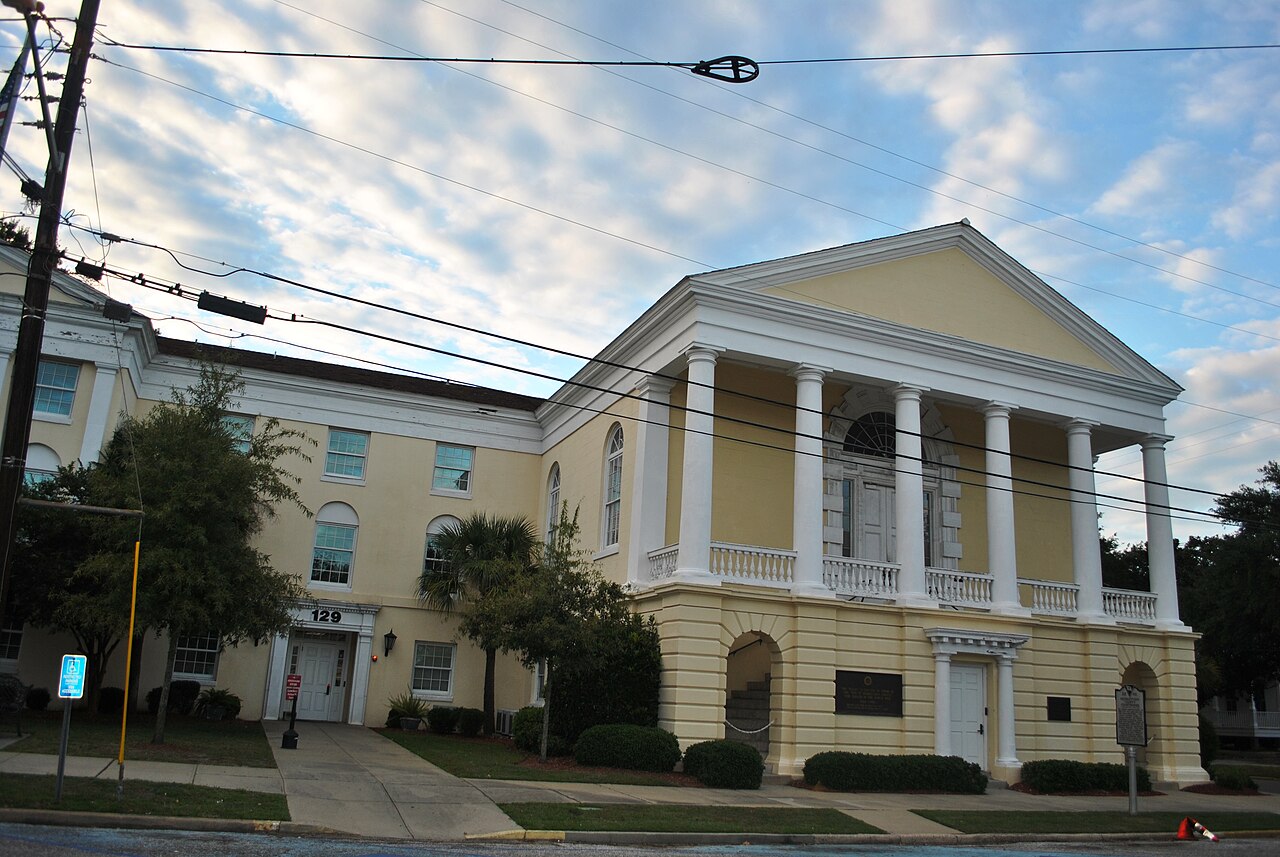



Geography and environment
Georgetown County occupies low-lying coastal terrain where several rivers meet the ocean, producing extensive salt marshes, estuaries and barrier-island habitats. The Waccamaw and Pee Dee river systems drain into Winyah Bay, supporting commercial fisheries, migratory birds and diverse plant communities. The climate is humid subtropical, with mild winters and hot, humid summers. Several conservation areas and wildlife management sites protect coastal wetlands and shorelines; state and regional programs provide information about habitat stewardship and resilience to storms (state resources).
History and development
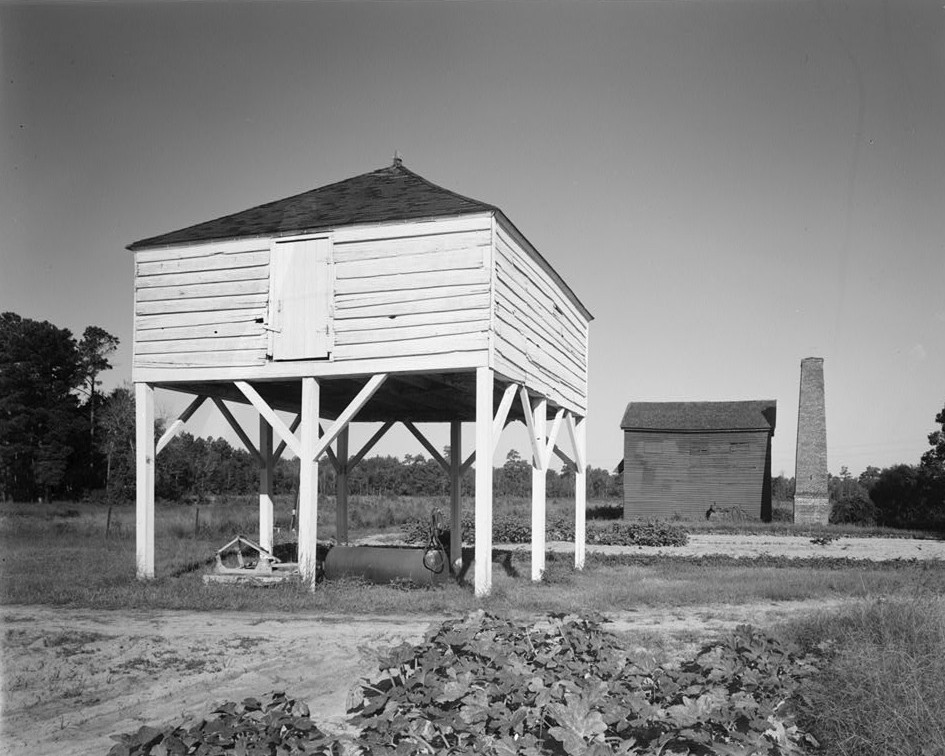
The county’s colonial-era establishment in 1769 led to development of an export economy built around rice, indigo and later timber and naval stores. Large plantations relied on tidal irrigation and enslaved labor before the Civil War; many of the historic homes, plantations and landscapes remain important for interpretation and cultural tourism. After the 19th century the port of Georgetown continued to serve regional commerce while communities diversified into fishing, timber and service industries.
Economy, culture and government
Today the local economy is a mix of tourism, commercial fishing and light manufacturing, alongside retail and public services. Cultural attractions emphasize the area’s maritime and plantation heritage, and local festivals, museums and gardens reflect that history. The county government administers services including planning, public safety and infrastructure; municipal affairs in the city are handled by the city government of Georgetown (county seat). Population data from federal counts document demographic trends and planning needs (2010 census).
Transportation and attractions
Coastal highways and local roads connect towns, marinas and parks. Visitor attractions include Brookgreen Gardens and the Georgetown Historic District, which preserve sculpture, landscaped gardens, antebellum architecture and waterfront streetscapes. Outdoor recreation focuses on boating, fishing, birdwatching and beach access; regional guides and tourism offices offer seasonal information and maps (county services and city resources).
For researchers and visitors, archival holdings, historical societies and county planning offices provide records and maps. Additional state-level guidance on conservation, hazard mitigation and recreation is available through broader South Carolina portals (state information). The county’s historical legacy, coastal ecosystems and continuing role as a regional port and visitor destination make it notable in the Lowcountry landscape.
Related articles
Author
AlegsaOnline.com Georgetown County, South Carolina Leandro Alegsa
URL: https://en.alegsaonline.com/art/38331
Sources
- quickfacts.census.gov : "State & County QuickFacts"
- naco.org : "Find a County" · web.archive.org
- books.google.com : The Origin of Certain Place Names in the United States