
Georgetown, South Carolina
Historic Atlantic port city on Winyah Bay serving as Georgetown County seat. Known for antebellum rice economy, coastal marshes, seafood and boating, with a preserved historic district and nearby cultural gardens.
Overview
Georgetown, South Carolina is a small coastal city and the county seat of Georgetown County on Winyah Bay. Located roughly midway between Charleston and Myrtle Beach, it has long served as a regional port, commercial center and gateway to the tidal marshes and barrier islands of the Lowcountry.
Image gallery
10 Images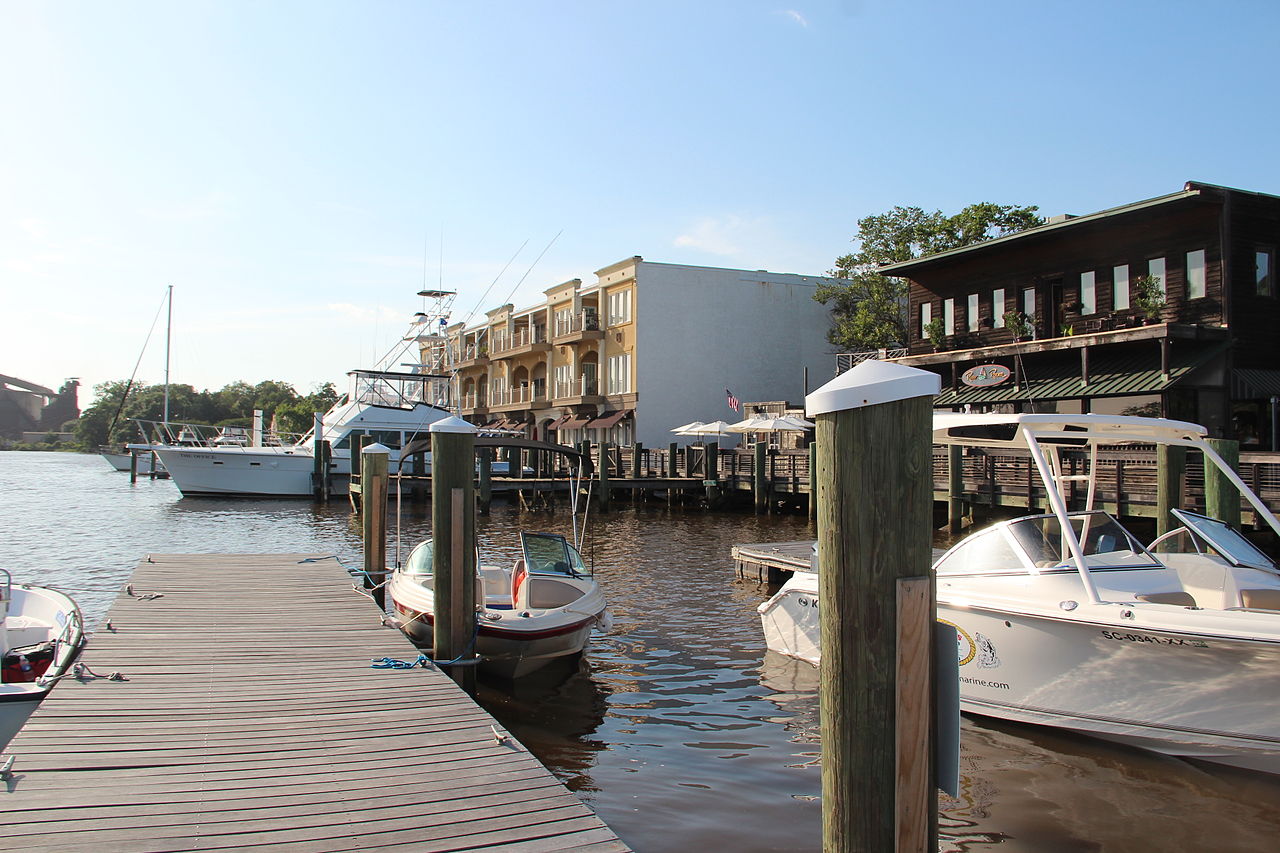


Geography and character
The city occupies the waterfront where rivers flow into Winyah Bay, an estuary fed by the Waccamaw, Pee Dee and Sampit rivers. The surrounding landscape includes salt marshes, maritime forests and tidal creeks that shape local livelihoods and recreation. The climate is humid subtropical, with hot summers and mild winters, making the waterways suitable for year-round boating and fishing.
History and development
Georgetown's origins trace to the colonial period when the deep-water harbor supported shipping of rice, indigo and timber. In the 18th and 19th centuries the area was part of South Carolina's rice coast; large plantations and enslaved labor created the wealth and cultural patterns still visible in architecture and community traditions. After the Civil War the port and local industries adapted, and many historic homes, churches and commercial buildings survive in a designated historic district.
Economy, culture and attractions
Today's economy blends commercial fishing, marine services, light industry, tourism and government services. The seafood and shrimping trades remain important, and the city's waterfront hosts marinas, docks and walking areas. Cultural influences include the Gullah-Geechee heritage of the coastal Lowcountry. Nearby attractions include Brookgreen Gardens and wildlife areas that draw visitors for sculpture, gardens, birding and boating.
Notable facts and visitor notes
- Historic seaport with a preserved downtown and riverfront.
- Access point for natural areas, marshland tours and recreational fishing.
- Close to larger resort cities but retains a quieter, small-city character.
Georgetown offers a mix of maritime commerce, historic architecture and access to natural Lowcountry landscapes, making it both a working port and a destination for those interested in history, seafood and coastal ecology.
Related articles
Author
AlegsaOnline.com Georgetown, South Carolina Leandro Alegsa
URL: https://en.alegsaonline.com/art/38339