
Georgetown, Guyana: capital, history, geography and landmarks
Georgetown is the capital and largest city of Guyana. Located on the Atlantic coast at the mouth of the Demerara River, it is the country’s administrative, commercial and cultural centre.
Overview
Georgetown is the capital and largest city of Guyana, situated on the country’s Atlantic coast where the Demerara River meets the sea. It serves as the primary administrative, commercial and cultural hub of the nation. Census figures from 2012 put the city’s population at roughly 235,000; current counts may differ due to migration and urban growth.
Image gallery
10 Images


Geography and environment
Georgetown lies in the Demerara-Mahaica region and occupies low-lying, largely reclaimed land protected by a network of seawalls and drainage canals. The city has a tropical climate: consistently warm temperatures, high humidity and distinct wetter months. Its riverside location shapes transport, commerce and local ecology.
History and development
The settlement has Dutch origins and was once known by other colonial names before receiving its current name under British rule in the early 19th century. Over time Georgetown developed as a port and administrative centre for plantation economies, later evolving into the modern capital after Guyana’s independence.
Landmarks and urban character
The city features notable colonial-era architecture and public spaces. Important sites include:
- St. George’s Cathedral, an imposing wooden cathedral notable for its scale and craftsmanship.
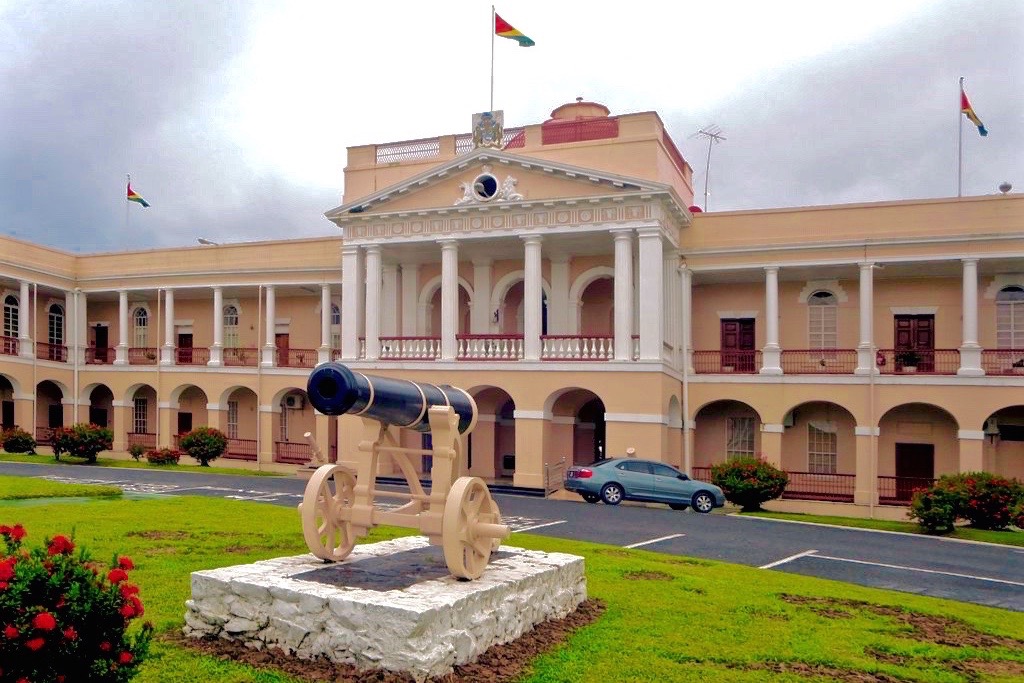
- Parliament Buildings and other government offices clustered near the riverfront.
- Stabroek Market, a historic market and commercial focal point.
- Seawalls, botanical gardens and civic promenades that reflect the city’s layout and public life.
Economy, culture and significance
As the national capital, Georgetown concentrates government institutions, financial services, and many cultural organizations. The city is ethnically diverse, reflecting Indo-Guyanese, Afro-Guyanese, Indigenous, European and other influences in festivals, cuisine and languages. It remains central to national transport, trade and public administration.
Notable facts and distinctions
Georgetown is distinguished by its colonial architecture, its exposure to coastal environmental challenges, and its role as Guyana’s primary urban centre. Visitors and researchers often note the blend of historic buildings, active markets and riverside activity that characterizes the city.
Related articles
Author
AlegsaOnline.com Georgetown, Guyana: capital, history, geography and landmarks Leandro Alegsa
URL: https://en.alegsaonline.com/art/38333
Sources
- nxtbook.com : "Guyana: Well Positioned for Future Growth and Success"