
George Wythe (1726–1806): American lawyer, judge and first law professor
George Wythe was an influential Virginia lawyer, judge, classical scholar and one of the signers of the Declaration of Independence; he became the first law professor in the United States.
Overview
George Wythe (1726 – June 8, 1806) was a prominent Virginia lawyer, judge and classical scholar. He is remembered for his contributions to legal education, public service in colonial and revolutionary Virginia, and as one of the Virginian signers of the Declaration of Independence. Contemporary accounts describe him as a leading intellectual of his state and a formative teacher of several future American leaders.
Image gallery
9 Images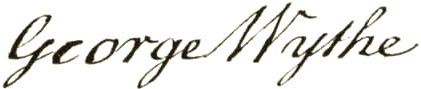


Career and public service
Wythe practiced law in colonial Virginia and held judicial office during a long career in the public sphere. He served locally as mayor of Williamsburg in 1768–1769 and later took on roles that connected legal practice with revolutionary politics. As a delegate from Virginia he was among those who supported American independence in the 1770s.
Teaching and professional work
In 1779 Wythe was appointed to the newly established Chair of Law at the College of William & Mary, becoming the first formal law professor in what became the United States. His approach emphasized classical learning, ethical practice, and a deep knowledge of Roman and English legal traditions. He maintained a notable private law library and trained students through lectures, argument, and direct mentorship rather than dependence on printed casebooks alone.
Notable students
Wythe's pupils went on to prominent roles in law and politics, carrying elements of his instruction into the young nation's institutions and jurisprudence.
Later life, death and legacy
Wythe remained a respected figure into old age. His death in 1806 was surrounded by controversy: he fell ill after contact with a relative who later was accused of poisoning him; the subsequent legal proceedings attracted attention and highlighted legal and evidentiary issues of the era. Regardless of the circumstances of his death, Wythe's lasting legacy rests on his pioneering role in American legal education, his influence on leading statesmen, and his reputation as a classical scholar and public servant.
For further reading about his life and impact, see primary archives and modern legal histories that examine his lectures, correspondence, and the careers of his students. Detailed collections and digitized materials are available through academic and historical repositories (source, source).
Related articles
Author
AlegsaOnline.com George Wythe (1726–1806): American lawyer, judge and first law professor Leandro Alegsa
URL: https://en.alegsaonline.com/art/38311
Sources
- history.org : Colonial Willimsburg