
Anaxandridas II, King of Sparta (c. 560–525 BC)
Anaxandridas II was an Agiad king of Sparta in the late 6th century BC, father of Cleomenes I and Leonidas I. His reign highlights Sparta's dual monarchy, ephoral authority, and dynastic succession.
Overview
Anaxandridas II was a king of the Spartan Agiad line in the latter half of the 6th century BC, generally dated to about 560–525 BC. He ruled in the system of dual kingship that characterized Sparta, sharing power with a contemporary king from the Eurypontid house. Surviving ancient accounts are brief, but later historians remember him primarily as the father of several prominent sons, most notably Leonidas I.
Image gallery
1 Image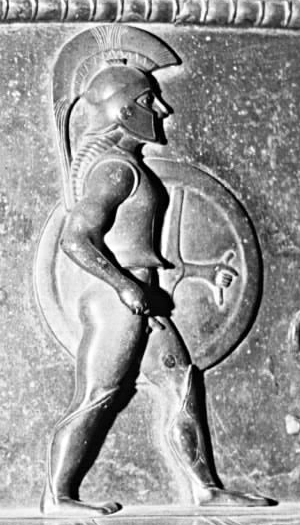
Family and succession
Anaxandridas' family situation is one of the clearer narrative elements preserved by ancient writers. According to classical tradition, when his first wife failed to produce an heir the ephors—Sparta's elected magistrates—urged him to take a second wife from the same kin-group. This unusual arrangement produced Cleomenes I, who succeeded Anaxandridas as king. The first wife later bore several sons, among them Dorieus and Leonidas, who would each play roles in later Spartan history. The sequence of births and the resulting succession illustrate how dynastic continuity and the ephorate could interact in Spartan practice.
Role within Spartan government
As an Agiad king, Anaxandridas held religious duties, commanded troops on occasion, and performed ceremonial functions, but his powers were constitutionally limited by institutions such as the ephors and the Gerousia (council of elders). The story of his compelled second marriage highlights the ephors' authority to intervene in royal family matters when the state's need for a clear succession was at stake. Beyond such institutional implications, the historical record gives few firm details of Anaxandridas' military or diplomatic actions.
Legacy and historical significance
Anaxandridas is mainly remembered through his sons and their impact on Spartan and Greek history. Cleomenes I became king and pursued an active foreign policy; Dorieus led an unsuccessful colonizing expedition; and Leonidas later became legendary for his stand at Thermopylae. Because direct records of Anaxandridas' reign are sparse, his principal significance to modern readers is genealogical and institutional: his reign serves as an example of Spartan succession practices and the balancing of royal and ephoral power.
Key points
- Approximately ruled c. 560–525 BC as an Agiad king of Sparta.
- Fathered Cleomenes I, Dorieus, and Leonidas—figures of later historical importance.
- His marriage arrangements, as reported by ancient sources, illustrate the ephors' influence over royal succession.
- The historical record preserves few details of policy or warfare from his reign; his importance is chiefly dynastic.
For readers seeking a concise introduction to this period of Spartan history, Anaxandridas II provides a useful case study of how private family matters could affect public institutions in archaic Greece.
Related articles
Author
AlegsaOnline.com Anaxandridas II, King of Sparta (c. 560–525 BC) Leandro Alegsa
URL: https://en.alegsaonline.com/art/3810