
Leonidas I — Spartan king and commander at Thermopylae
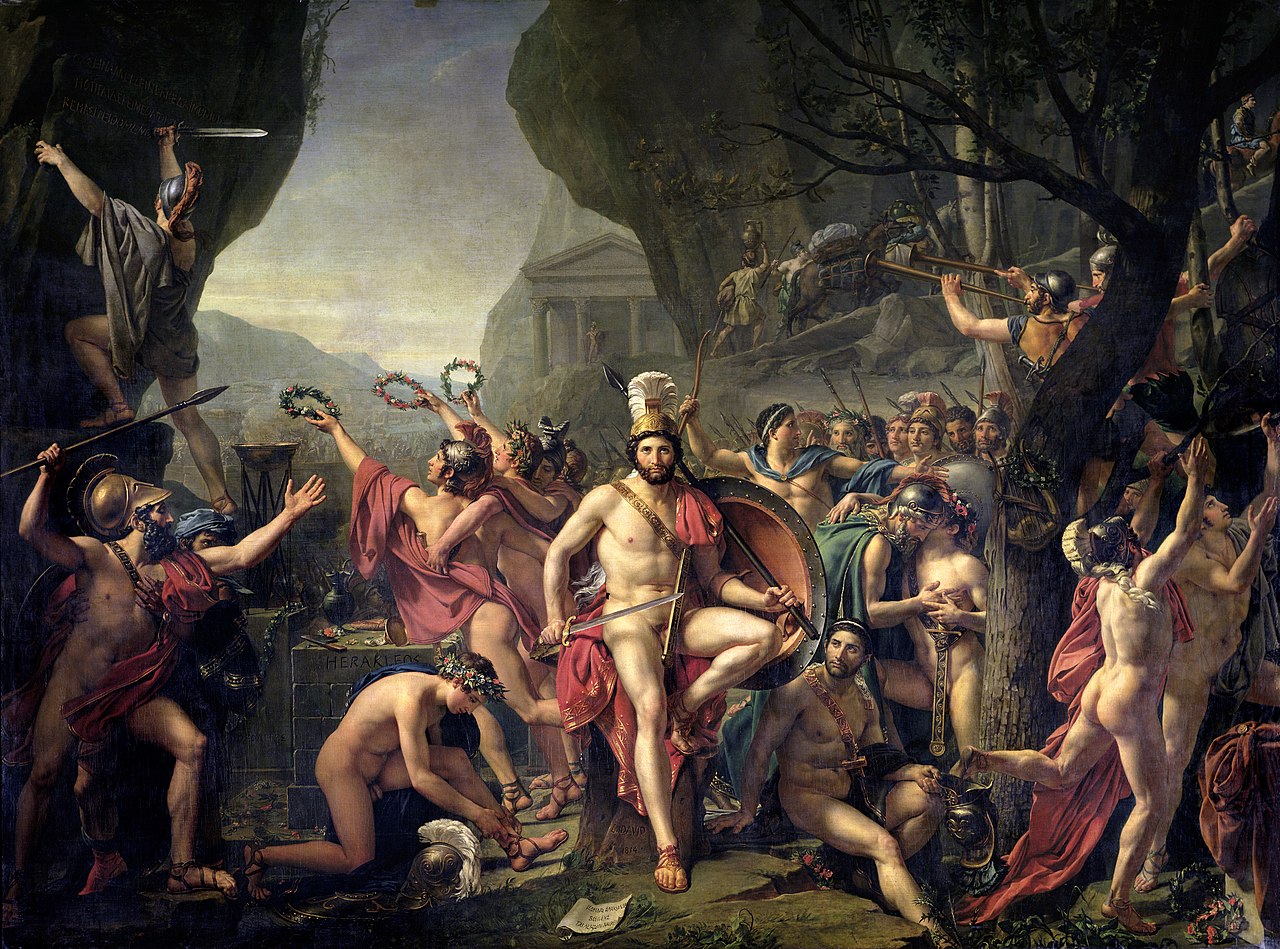
Leonidas I (c. 530–480 BC) was a king of Sparta remembered for leading a small Greek force at Thermopylae in 480 BC and for his death, which became a lasting symbol of sacrifice.
Overview
Leonidas I was a king of the Greek city-state of Sparta in the early fifth century BC. He reigned from roughly 490 BC until his death in 480 BC. Best known for his role in the Persian Wars, Leonidas led a small coalition of Greek forces in a stand against the invading army of Xerxes I at the pass of Thermopylae. His name appears in classical sources in the Greek form Λεωνίδας.
Image gallery
6 Images



Background and position
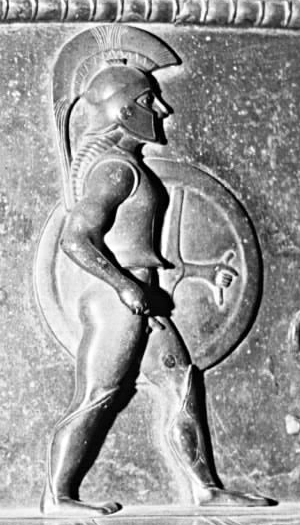
Leonidas belonged to Sparta's traditional royal line and exercised both military and religious duties typical of a Spartan king. Sparta's social and military system, including the agoge upbringing of male citizens, shaped the professional warrior ethos that Leonidas and his men embodied. Sparta was one of several Greek poleis that coordinated resistance to Persian encroachment during this period; see general accounts of Sparta for broader context.
Thermopylae: the last stand
In 480 BC, during the second Persian invasion, Leonidas commanded Greek forces at Thermopylae, a narrow coastal pass that was strategic for slowing the Persian advance into central Greece. Facing overwhelming numbers, Leonidas dismissed most of the allied troops but remained with a small contingent of Spartans and other Greek allies who fought to the death. Contemporary historians emphasize that the action's military effect was to delay the Persians and to galvanize Greek resistance elsewhere.
Participants and immediate effects
- Leonidas and his Spartan hoplites—Spartan citizens who served as heavily armed infantry.
- Allied contingents from other Greek cities who joined or held the pass alongside the Spartans.
- Persian forces under the command of Xerxes I during the invasion.
Sources, interpretation and legacy
Most detailed narrative accounts of Leonidas and Thermopylae come from the fifth-century BC historian Herodotus, whose work remains the principal ancient source referenced in modern discussions (Herodotus' Histories). Later writers and artists turned Leonidas's death into a powerful cultural symbol of courage and self-sacrifice. An epitaph often associated with the battle—traditionally attributed to the poet Simonides—captures the stark honor accorded to those who fell. Modern historians treat some aspects of the story with caution, noting variations and possible embellishments in the surviving sources.
Notable facts: Leonidas's stand at Thermopylae has been celebrated in literature, art and public memory as an exemplary act of resistance; it also had practical consequences by buying time for Greek naval and land preparations that shaped the course of the Persian Wars.
Related articles
Author
AlegsaOnline.com Leonidas I — Spartan king and commander at Thermopylae Leandro Alegsa
URL: https://en.alegsaonline.com/art/124235