
Anatoly Gladilin — Soviet and émigré Russian writer and publicist
Anatoly Gladilin (1935–2018) was a Soviet-born Russian novelist, poet and memoirist, prominent in the 1960s sixties generation, who defected to Paris in 1976 and worked in émigré broadcasting.
Anatoly Tikhonovich Gladilin (Анато́лий Ти́хонович Глади́лин; 1935–2018) was a Russian writer and poet who first rose to prominence in the Soviet Union during the 1960s and later continued his literary career in exile. He wrote novels, short stories and memoir, producing work that ranged from satirical political fiction to personal reflections on the life of a writer under and beyond Soviet rule.

Image gallery
2 Images
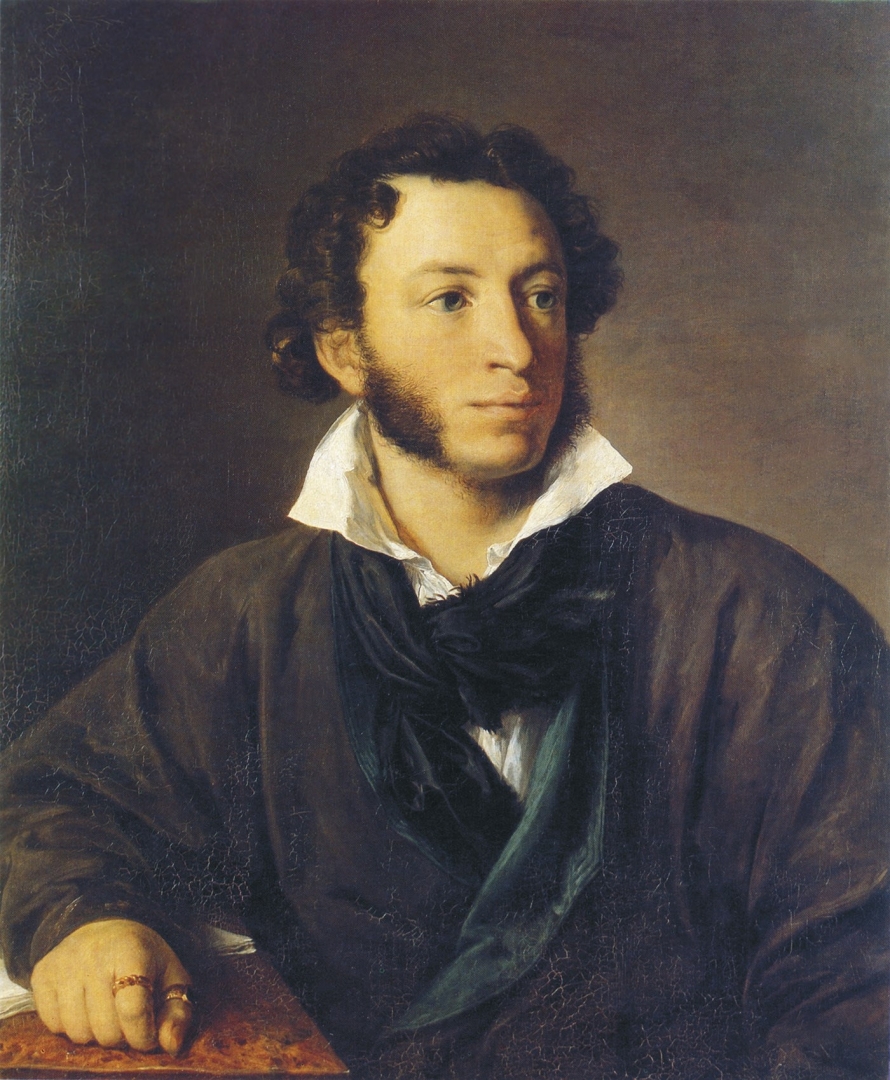
Life and career
Born in 1935, Gladilin became associated with the generation of young prose writers in the 1960s who sought new forms and subjects in Soviet literature. By the mid-1970s he left the Soviet Union and settled in Paris, where he lived after his defection in 1976. In exile he worked as a broadcaster and commentator for émigré and international services, including Radio Liberty and later for Deutsche Welle. His career combined creative writing with public-facing commentary on politics and culture.
Literary themes and style
Gladilin’s writing is known for its engagement with political life and its moral questions. He often employed satire and ironic observation to explore the absurdities of bureaucratic power and the compromises faced by intellectuals under authoritarian systems. At the same time, his memoir work conveys an introspective and autobiographical impulse: an attempt to record both personal experience and the broader cultural shifts of his era. His language is generally direct and conversational, aimed at readers inside and outside Russia.
Major works
- FSSR: The French Soviet Socialist Republic — a political fable imagining a communist takeover in France, notable for its reversal of Cold War expectations and for its use of satire to examine ideological rigidity.
- The Making and Unmaking of a Soviet Writer — a memoir that recounts Gladilin’s participation in the literary life of the 1960s and the pressures that shaped Soviet writers’ careers and choices.
- Moscow Racetrack: A Novel of Espionage at the Track — an example of Gladilin’s interest in intrigue and moral ambiguity, set against a recognizably Soviet backdrop.
- Rogues: Welcome to Paris! — a later work reflecting on émigré life and the encounters between Russian emigrants and Western society.
Context and significance
Gladilin belonged to a cohort of writers who expanded the thematic range of Soviet literature in the post-Stalin decades, sometimes called the sixties generation or "young prose." Their work often tested the limits of permissible expression and engaged readers with fresh social observations. After leaving the USSR, Gladilin joined a community of émigré intellectuals who used Western media platforms to reach Russian-language audiences; his broadcasts and essays contributed to debates about dissent, identity and the fate of Soviet culture abroad. He settled in Paris and became part of the city’s émigré milieu, maintaining ties to Russian literary life from a distance and participating in public discussion of Soviet and post-Soviet developments in Europe and beyond. For information about his later residence, see Paris.
Gladilin died in Paris on October 24, 2018, at the age of 83. His work remains of interest to readers and scholars who study Soviet-era literature, émigré writing and the moral dilemmas faced by intellectuals under political constraint.
Selected bibliographies and recordings of Gladilin’s work and interviews can be found through major library catalogues and archives of émigré broadcasting.
Related articles
Author
AlegsaOnline.com Anatoly Gladilin — Soviet and émigré Russian writer and publicist Leandro Alegsa
URL: https://en.alegsaonline.com/art/3801
Sources
- books.google.ru : Василий Аксенов – одинокий бегун на длинные дистанции
- litmir.me : Улица генералов. Попытка мемуаров.
- svoboda.org : Умер писатель и диссидент Анатолий Гладилин