
LGBT Pride: history, purpose, symbols, and global observance
LGBT pride is a movement and cultural expression affirming lesbian, gay, bisexual and transgender people, opposing hatred and discrimination, remembering victims, and promoting rights and visibility.
Overview
LGBT pride — often shortened to Pride — is a social and political movement that affirms the dignity, visibility and equal rights of lesbian, gay, bisexual and transgender people. Pride activities oppose hatred, challenge discrimination and resist violence directed at sexual and gender minorities. The term also celebrates diversity in sexual orientation and gender, and promotes community solidarity.
Image gallery
10 Images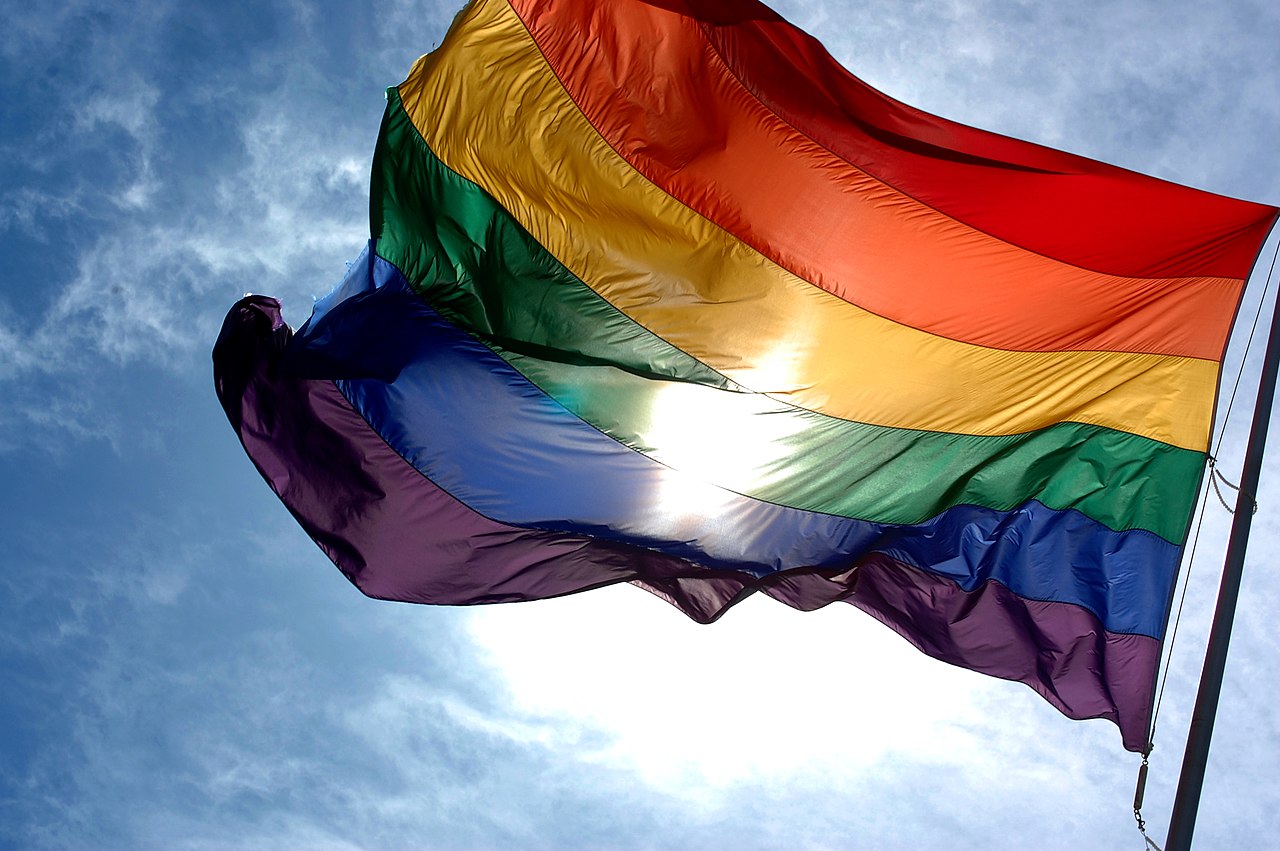


History and development
The modern Pride movement grew out of mid-20th-century activism and became prominent after public confrontations and organizing in response to police raids, legal penalties and targeted attacks. Pride traces institutional roots to demonstrations and commemorations that sought legal reform, social acceptance and safety for people who identified as lesbian, gay, bisexual or transgender. For many communities, Pride also serves as a memorial for those who suffered from anti-LGBTQ violence such as gay bashing and for people criminalized when homosexuality was or remains illegal.
Common forms and symbols
Pride takes many forms: parades, marches, vigils, educational events, festivals and political rallies. Typical symbols and cultural markers include rainbow flags, banners, community booths, and performances that emphasize visibility and inclusion. Organizations and individuals use Pride events to build networks, advocate for civil rights and provide safe social spaces.
Importance and impact
At a civic level, Pride promotes legal and social change: it advances access to equal protection, healthcare, and anti-discrimination measures while fostering public dialogue about identity and rights. At a personal level, Pride can strengthen belonging, reduce stigma and help people express their identities openly. Pride activities often aim to bridge gaps between generations and to support those who still face persecution or limited freedoms.
Criticisms and variations
Pride has evolved and diversified, and not all participants or communities experience it the same way. Some critics point to commercialization, the exclusion of marginalized subgroups, or safety concerns during large public events. Others emphasize the importance of local context: in some places Pride is a large public festival, while in others it remains a quieter, sometimes clandestine act of resistance.
How Pride is observed
Pride Month is commonly observed every June in many countries, when commemorations, parades and educational programs are scheduled to coincide with historical moments of protest and visibility. Individuals can participate by attending events, supporting advocacy groups, donating to community services, or by displaying symbols of solidarity. For readers seeking further information or resources, community centers and national organizations often provide guides and local listings.
- Pride Month observances — annual activities and dates.
- Opposing hatred — legal and social strategies.
- Addressing discrimination — policy and workplace guidance.
- Responding to violence — safety planning and reporting.
- Lesbian, gay, bisexual and transgender community resources.
- Information about sexual orientation and identity.
- Discussions of gender and expression.
- Memorials for victims of anti-LGBT violence.
- Historical legal contexts related to homosexuality.
- Further reading on lesbian histories, gay histories and community building.
Pride remains a broad, evolving set of practices: from joyful public festivals to solemn remembrances and policy advocacy. Its aims combine celebration, protest and community care, and its expressions vary by place, culture and the needs of local LGBT communities.
Related articles
Author
AlegsaOnline.com LGBT Pride: history, purpose, symbols, and global observance Leandro Alegsa
URL: https://en.alegsaonline.com/art/37785