
Gaza flotilla raid (31 May 2010): interception, casualties and international fallout
On 31 May 2010 Israeli naval forces intercepted a six‑ship aid flotilla bound for Gaza. The boarding led to violent clashes, at least nine deaths and prolonged diplomatic and legal disputes over the Gaza blockade.
Overview
The Gaza flotilla raid refers to the interception on 31 May 2010 of a six‑ship aid convoy by Israeli naval forces. The vessels, organized by pro‑Palestinian activists and commonly called the Gaza Freedom Flotilla, were attempting to reach the port of Gaza with supplies and political solidarity. The flotilla carried passengers from many countries (reports cited roughly 663–682 people) and a limited amount of humanitarian cargo. Israeli forces boarded the ships in international waters of the Mediterranean Sea, an action that immediately sparked violent confrontations and international controversy.
Image gallery
10 Images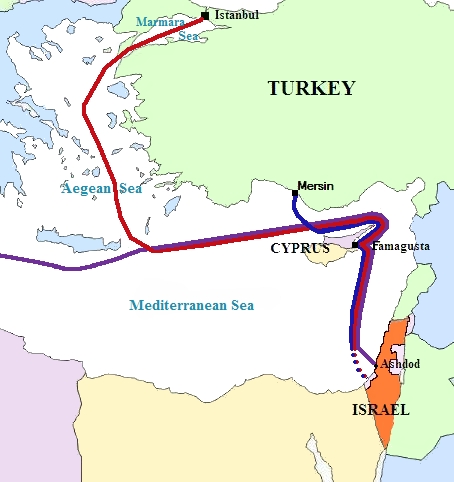



Context and objectives
After 2007 Israel, citing security concerns following the Hamas takeover of Gaza, imposed a maritime and land blockade intended to prevent weapons smuggling. Critics argued the restrictions created a humanitarian crisis. Activists organized the flotilla to challenge the blockade, deliver goods and draw attention to conditions in Gaza. Organizers described the cargo as aid and humanitarian relief; Israeli authorities maintained the boats could be inspected at an Israeli port and that a controlled transfer to Gaza was possible.
What happened during the interception
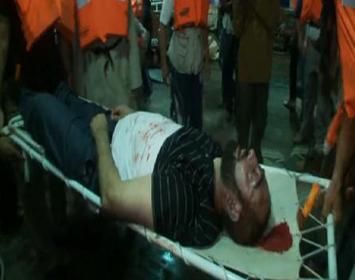
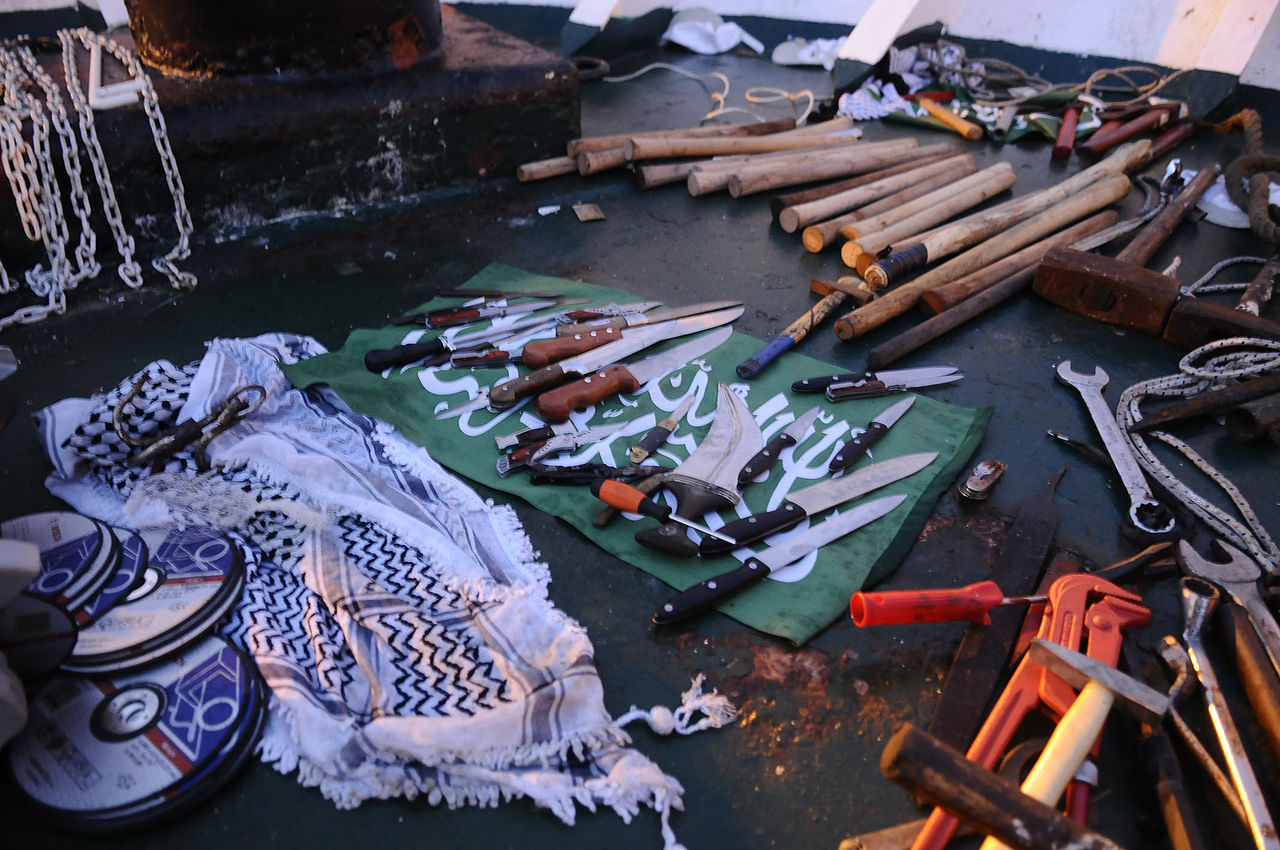
Israeli naval units and special forces conducted a pre‑dawn operation to stop and board the convoy. Israel said its forces acted to enforce the blockade and prevent weapons from reaching militants; activists and some passengers said the boarding involved excessive and disproportionate force. Fighting broke out most intensely aboard the lead ship, the Mavi Marmara, where Israeli commandos encountered resistance. The clashes resulted in at least nine fatalities among activists and dozens of injuries on both sides. Israeli reports noted wounded soldiers as well as detainees taken to Israel for questioning.
Immediate aftermath and international reaction
The incident produced rapid diplomatic tensions, especially with Turkey, whose nationals were among those killed and whose government criticized the operation as unlawful. Several countries condemned the raid and called for investigations. Israel initially defended the action and later opened inquiries; other investigations were launched by foreign governments and international bodies. The event intensified debates over the legality and humanitarian impact of the Gaza blockade and of maritime interdiction operations.
Investigations, findings and legal issues
Responses included Israeli military and state investigations, as well as inquiries by other states and a United Nations‑mandated panel. These probes reached differing conclusions: some upheld the legality of enforcing a naval blockade while criticizing the tactics and use of force; others emphasized violations of international law and the need for accountability. The episode led to legal cases in multiple jurisdictions and to prolonged negotiations over diplomatic remedies, including an eventual agreement between Israel and Turkey that included an apology and compensation elements, according to public reports.
Key points and legacy
- Convoy composition: six ships carrying activists and goods intended for Gaza; organizers said the cargo was humanitarian.
- Boarding and casualties: Israeli forces, described in media and official accounts as Israeli military units, boarded the vessels; clashes resulted in at least nine deaths and many injuries.
- Offers to reroute: Israel said it proposed that ships dock elsewhere for inspection and transfer of aid, an offer activists rejected and which remains central to legal and political debates about proportionality and intention.
- Chronology and reporting: the convoy was seized on 31 May 2010; numerous national and international reports have documented the events and their consequences.
Although the raid did not end the wider disputes over Gaza, blockades and humanitarian access, it became a defining incident in 21st‑century Israeli‑Turkish and Israeli‑international relations, shaping subsequent policy discussions about maritime interdiction, humanitarian delivery, and rules of engagement at sea.
Questions and answers
Q: When did the Gaza flotilla raid occur?
A: The Gaza flotilla raid occurred on May 31, 2010.
Q: Where did the Gaza flotilla raid take place?
A: The Gaza flotilla raid took place in international waters of the Mediterranean Sea.
Q: What did the Israeli naval forces do during the Gaza flotilla raid?
A: The Israeli naval forces seized an aid flotilla of six ships carrying pro-Palestinian activists from 37 nations.
Q: What were the activists on the flotilla trying to do?
A: The activists were trying to breach the blockade of Gaza and deliver humanitarian supplies.
Q: How many people were on board the six ships seized by Israeli military forces during the Gaza flotilla raid?
A: There were 663-682 people on board these ships.
Q: Where were the ships headed?
A: The ships were headed to the port of Gaza.
Q: How many people were killed during the Gaza flotilla raid?
A: At least nine people were killed.
Related articles
Author
AlegsaOnline.com Gaza flotilla raid (31 May 2010): interception, casualties and international fallout Leandro Alegsa
URL: https://en.alegsaonline.com/art/37794
Sources
- haaretz.com : "Israel transfers hundreds of Gaza flotilla activists to airport for deportation"
- guardian.co.uk : "Q&A: The Gaza Freedom flotilla"
- washingtonpost.com : "Israel's flotilla raid revives questions of international law"
- csmonitor.com : "South Africa recalls ambassador over Israeli raid of Gaza flotilla"
- smh.com.au : "Flotilla sailed for confrontation, not for aid"
- msn.com : "Top news stories local and from around the world - MSN News Malaysia"
- baycitizen.org : "El Cerrito Man Beaten, Jailed in Israel, Wife Says"
- sfgate.com : "4 local pro-Palestine activists reported safe"
- heraldsun.com.au : "Aussie photographer Kate Geraghty 'Tasered during flotilla raid'"
- washingtonpost.com : "Accounts, videos of flotilla assault continue to conflict"
- smh.com.au : "Tension builds as flotilla approaches Gaza"
- ynetnews.com : "The ship of horrors - Israel Opinion, Ynetnews"
- haaretz.com : "Israel tows Gaza aid ships to Ashdod after 10 violent activists killed in clashes with navy"
- news.bbc.co.uk : "Israeli PM 'regrets' deaths as troops storm aid ships"