
The Analects: Sayings of Confucius and Their Influence
A concise account of the Analects: a collection of Confucian sayings and dialogues compiled by followers; themes include virtue, family, government, ritual and education.
Overview
The Analects is a classical Chinese text that preserves the sayings, conversations and brief anecdotes associated with Confucius. Compiled by his disciples and later followers, it is a foundational work of Confucian thought. The text consists of short passages—aphorisms, dialogues and recollections—that offer ethical guidance rather than systematic philosophy.
Image gallery
5 Images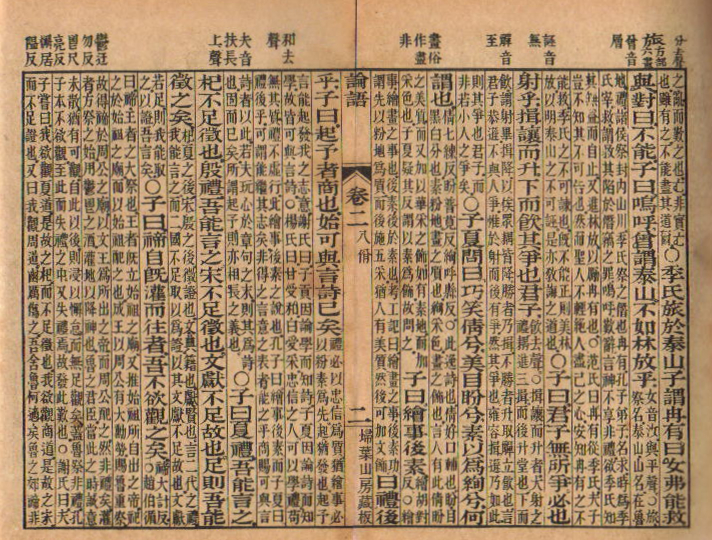


Contents and key themes
The work addresses practical moral concerns and social relations. Recurring topics include humaneness (ren), ritual propriety (li), the cultivated person (junzi), filial duty and moral leadership. It does not read like a modern treatise; instead, teachings appear as concise statements and conversational exchanges.
- Family and filial respect as the basis of social harmony.
- Personal virtue and self-cultivation as prerequisites for effective leadership.
- Proper conduct and ritual as means to maintain order.
- Government guided by moral example rather than coercion.
- Approaches to conflict and war are treated in relation to ethics and duty.
History and transmission
The text was assembled over generations by students and later scholars who preserved sayings attributed to Confucius. It reached canonical status in Imperial China and became central to education and the civil service examinations. Over time, commentators collected interpretations that shaped subsequent readings of the text.
Uses and influence
The Analects has been studied as a handbook for personal conduct, education and governance across East Asia. It influenced moral pedagogy, administrative ideals and literary culture. Commentaries and annotated editions have guided readers seeking to apply its terse maxims to concrete situations.
Distinctive features and reception
Unlike philosophical systems that present formal arguments, the Analects preserves fragmented oral material, leaving space for interpretation. Its brevity and focus on virtuous character invite practical reflection rather than abstract theorizing. Modern readers consult it for historical insight into early Chinese ethics and for its ongoing cultural impact.
For introductions, translations and scholarly discussion, see general resources on the Analects and related studies prepared by academic and popular publishers.
Related articles
Author
AlegsaOnline.com The Analects: Sayings of Confucius and Their Influence Leandro Alegsa
URL: https://en.alegsaonline.com/art/3749