
Gaithersburg, Maryland
Gaithersburg is a city in Montgomery County, Maryland, and a suburban center near Washington, D.C., known for planned neighborhoods, federal research labs, and a diverse local economy.
Gaithersburg is a city in Montgomery County, Maryland, located northwest of Washington, D.C. It was incorporated as a town in 1878 and later as a city in 1968. According to the 2010 U.S. Census, the population was 59,933; the community has continued to grow and diversify in the decades since. Gaithersburg is commonly counted among the larger incorporated municipalities in the state, behind Baltimore, Frederick, and Rockville.
Image gallery
10 Images



Geography and neighborhoods
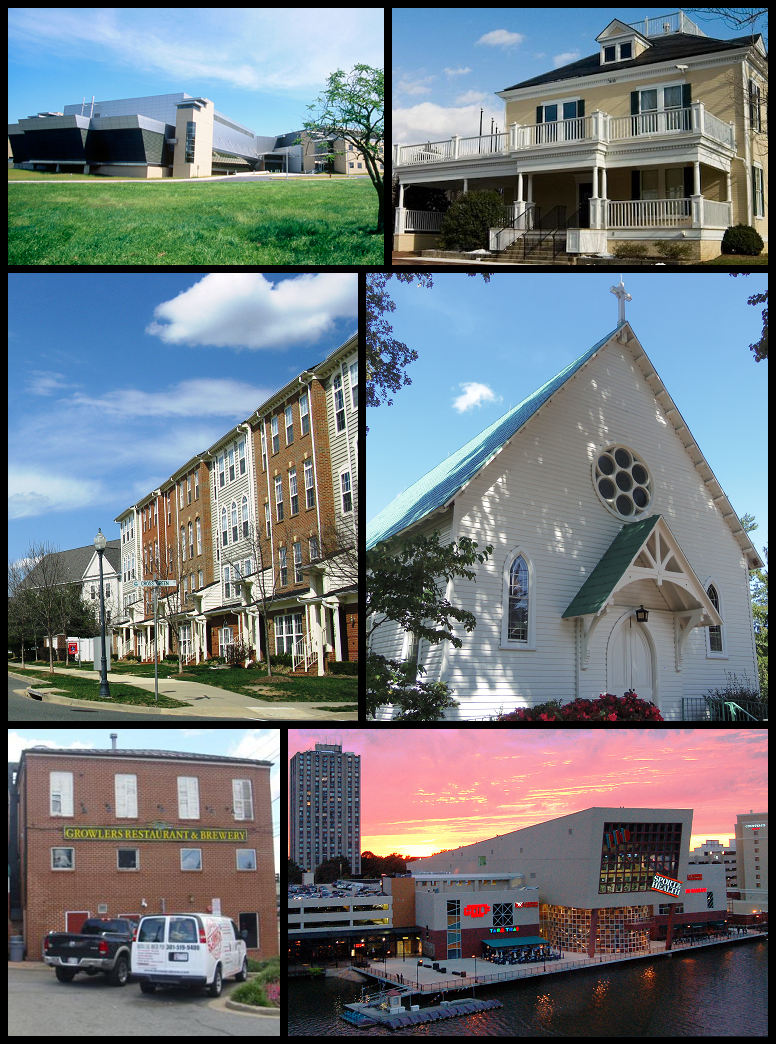
The city combines older, small-town areas with more recent, planned developments. Neighborhoods and notable districts include:
- Olde Towne — the historic center with civic buildings and local shops
- Kentlands and Lakelands — examples of planned, mixed-use residential developments
- The Washingtonian/Rio area — a commercial and entertainment cluster near major highways
History and development
Originally a rural crossroads in the 19th century, Gaithersburg expanded with transportation improvements and suburbanization of the Washington region. Incorporation milestones in 1878 and 1968 reflect its transition from a small town to an incorporated city with municipal government. Later 20th‑century development introduced new housing models and mixed-use planning that reshaped the cityscape.
Economy, institutions, and transportation
Gaithersburg's economy blends small businesses, retail centers and technology- and research-oriented employers. The city is home to important federal research facilities and attracts companies in biotech, information technology and professional services. Commuter access to the Capital Beltway and Interstate corridors supports residents working throughout the Washington metropolitan area. Local transit and roadways connect neighborhoods, shopping areas, and institutional campuses.
Culture, demographics, and notable facts
The population is ethnically and culturally diverse, reflected in restaurants, community events and places of worship. Civic life centers on parks, schools, and neighborhood organizations. Gaithersburg is notable for its mix of historic core and deliberately planned communities, making it an example of late 20th‑century suburban design meshed with urban-style amenities and research-driven employment.
Related articles
Author
AlegsaOnline.com Gaithersburg, Maryland Leandro Alegsa
URL: https://en.alegsaonline.com/art/37235
Sources
- factfinder2.census.gov : American Factfinder