
Fritz Todt: German Engineer and Head of Organisation Todt
Fritz Todt (1891–1942) was a German engineer who led large civil and military construction efforts for Nazi Germany, founded Organisation Todt, and served as Reich Minister for Armaments and Munitions until his 1942 death.
Fritz Todt was born on 4 September 1891 in Pforzheim, in the Grand Duchy of Baden, then part of Germany. Trained as a civil engineer, he rose to national prominence in the 1930s for large-scale infrastructure projects. Todt died in a plane crash on 8 February 1942 near Kętrzyn in East Prussia, returning from an inspection tour; his death took place within Germany as it was organized at the time.
Image gallery
4 Images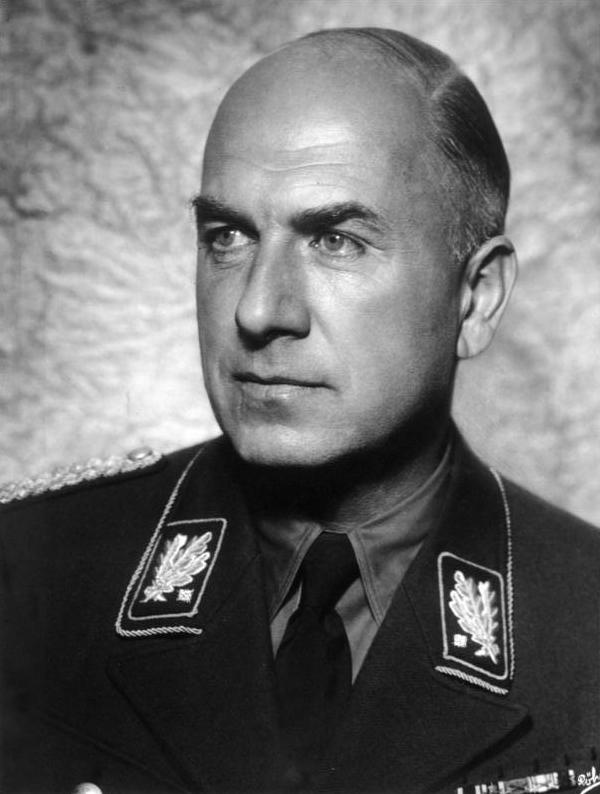


Career and organisation
Todt combined technical training with administrative skill. As an early inspector of road construction he helped shape the Reichsautobahn program and in 1938 formalized a nationwide engineering corps known as Organisation Todt. That body administered construction of fortifications, roads and military facilities using civilian contractors, military units and a vast pool of laborers. His prominence is often summarized by the label German engineer with responsibility for national works and by his association with the Nazi state.
Role in wartime administration
In 1940 Todt was appointed Reich minister for armaments and munitions and held a seat in the government Cabinet of Hitler. In this role he oversaw delivery of military infrastructure and materiel production priorities, coordinating civil engineering with the wartime economy. Organisation Todt expanded its remit across occupied territories and to frontline construction.
Projects, methods and controversies
- Major projects included the Autobahn network and defensive works such as the Westwall (Siegfried Line).
- Organisation Todt used a mix of paid workers, conscripted labor and forced labor from occupied areas and camps; historians note the system’s coercive aspects and humanitarian cost.
- Todt’s administrative model centralized technical expertise and contracting under state control, influencing later large-scale engineering organizations.
After Todt’s unexpected death he was succeeded by Albert Speer in the armaments ministry; Organisation Todt continued to operate until the end of the war. Todt’s career is studied as an example of how technical authority and state power were combined in Nazi Germany and as part of the broader history of wartime industrial mobilization and its moral implications.
Related articles
Author
AlegsaOnline.com Fritz Todt: German Engineer and Head of Organisation Todt Leandro Alegsa
URL: https://en.alegsaonline.com/art/36786