
Fritz J. Raddatz: German feuilletonist, essayist, biographer and novelist (1931–2015)
Profile of Fritz J. Raddatz, a prominent German cultural critic, essayist and biographer; overview of his work, personal convictions, retirement and death by suicide amid advocacy for euthanasia.
Overview
Fritz Joachim Raddatz (3 September 1931 – 26 February 2015) was a leading figure in post‑war German literary life. He built a reputation as a cultured and often provocative critic, producing essays, biographies and fiction while shaping public debates about literature and culture. Raddatz was widely described as a feuilletonist and a essayist, known for erudition, an elegant prose style and trenchant judgement.
Image gallery
2 Images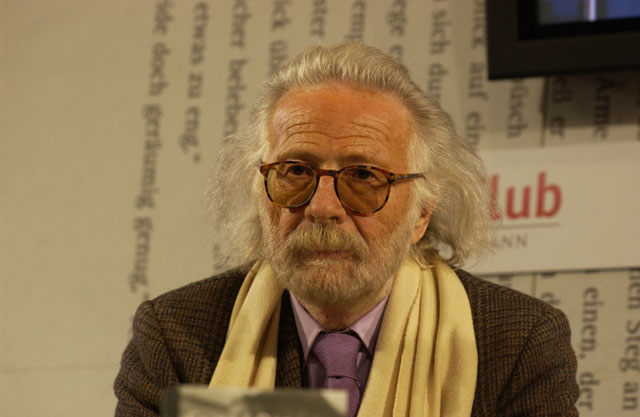

Career and principal roles
Over several decades Raddatz wrote across genres and formats, moving between short critical pieces and longer biographical or fictional works. His output included book reviews, cultural commentary, essays on literary and social topics, as well as biographies that traced the lives of artists and writers. He was active as an editor and opinion-maker, contributing to the intellectual life of German newspapers and magazines and helping to introduce wider audiences to literary debates.
- Critic and columnist: regular contributions to literary pages and cultural supplements.
- Biographer and romancier: extended studies of figures from literature and culture, plus novels and shorter fiction.
- Editor and public intellectual: shaped conversations in journals and periodicals.
Style, themes and significance
Raddatz's writing combined broad learning with a flair for dramatic judgement. He often focused on questions of taste, biography, and the role of literature in society. Readers and colleagues noted his willingness to court controversy: his reviews and essays could be passionately argued, and he defended the importance of clear, cultivated prose. His career reflects the central place of the feuilleton—cultural commentary and criticism—in German public discourse.
Personal life and beliefs
Raddatz was openly bisexual and spoke about his private life in ways that challenged conservative social norms. In his later years he became a public advocate for the right to a self-determined death, arguing against prolonged dependence on care when quality of life had diminished. His views on euthanasia and assisted dying were part of an ongoing public conversation about autonomy, dignity and medical ethics.
Retirement, death and legacy
In September 2014 Raddatz announced his retirement from active writing and public life in a move that many observers saw as deliberate and dignified; reports noted he wished to control the terms of his final years and to avoid becoming a burden. On 26 February 2015 he died by suicide in Zurich at the age of 83. Contemporary accounts said he preferred to end his life while still in command of his faculties. His departure prompted widespread reflection in Germany about the ethics of assisted dying, the pressures of aging for public intellectuals, and his long contribution to literary culture.
Raddatz remains a contested but important figure: admired for literary sensitivity and rhetorical skill, criticized at times for abrasive judgments. His work continues to be read by those interested in post‑war German letters, the craft of the essay, and debates about personal autonomy in later life. For further reading about his life and writings see contemporary obituaries and collections of his essays and reviews (see retirement announcement and coverage for context).
Related articles
Author
AlegsaOnline.com Fritz J. Raddatz: German feuilletonist, essayist, biographer and novelist (1931–2015) Leandro Alegsa
URL: https://en.alegsaonline.com/art/36775