
Anal cancer: overview, causes, diagnosis and treatment
Anal cancer is an uncommon malignancy arising in the anus, most often squamous cell carcinoma linked to HPV. This article covers causes, symptoms, diagnosis, staging, treatment and prevention.
Anal cancer is a malignancy that begins in the tissues of the anus, the canal that ends the digestive tract. It is a distinct disease from more common cancers of the colon and rectum; differences include typical cell type, risk factors, clinical course and standard treatments. For a general definition see type of cancer and for anatomy see anus. It should not be confused with colorectal cancer, which arises higher in the large intestine.
Image gallery
2 Images
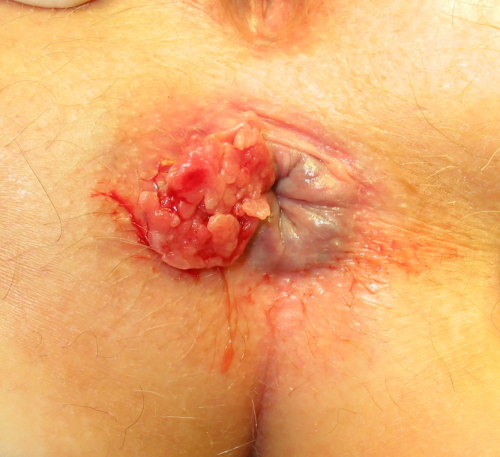
Types and pathology
The majority of anal cancers are squamous cell carcinoma, which originate in the flat, squamous cells that line the anal canal. Less common histologies include lymphoma, sarcoma and melanoma, each of which follows a different biological behavior and treatment approach.
Risk factors and causes
- Human papillomavirus (HPV) infection—especially oncogenic types—is the primary cause for most squamous anal cancers.
- Behaviors and conditions that increase HPV exposure or reduce immune control: receptive anal intercourse, multiple sexual partners, cigarette smoking, and immunosuppression (for example HIV infection).
- Older age and a history of certain anal or genital lesions are additional risk factors.
Presentation, diagnosis and staging
Common symptoms include rectal bleeding, pain, itching, a palpable lump or changes in bowel habits. Diagnosis relies on a careful physical and digital anal examination, visualization with anoscopy or proctoscopy and biopsy of suspicious lesions. Imaging (CT, MRI, PET) helps define local extent and detect spread. Staging follows the TNM framework used for many solid tumors and guides treatment planning.
Treatment and prognosis
For most squamous anal cancers, combined chemotherapy and radiotherapy is the primary curative approach, preserving the sphincter and avoiding major surgery in many cases. Surgical removal (including more extensive resections) is reserved for small selected tumors, persistent disease after radiation, or distant spread. Advanced disease may require systemic therapies. Prognosis depends strongly on stage at diagnosis; early-stage tumors have substantially better outcomes.
Prevention, screening and public health
HPV vaccination and safe-sex practices reduce risk. Screening strategies focus on high-risk groups and may include clinical exams, anoscopy and cytologic sampling in specialized settings. Although anal cancer is less frequent than colorectal cancer, it causes meaningful morbidity and, in some regions including the United States, several thousand new cases are reported each year. Ongoing research aims to optimize prevention, early detection and treatment.
For more information on general cancer topics, testing and care options consult local specialist services or health resources referenced here: cancer overview, anatomy, colorectal differences, squamous carcinoma details, lymphoma resources, sarcoma information, melanoma guidance, national statistics.
Questions and answers
Q: What is anal cancer?
A: Anal cancer is a type of cancer that occurs in the anus, which is different from the more common colorectal cancer.
Q: What are the different types of anal carcinoma?
A: The different types of anal carcinoma include squamous cell carcinoma, adenocarcinoma, lymphoma, sarcoma or melanoma.
Q: What is the risk factors for anal cancer?
A: The risk factors for anal cancer include sexual behavior, human papillomavirus (HPV) infection, weakened immune system, smoking, and certain cancer syndromes.
Q: What is the most common type of anal carcinoma?
A: The most common type of anal carcinoma is squamous cell carcinoma.
Q: What is the estimated number of new cases of anal cancer in the United States in 2014?
A: In 2014, it is estimated that about 7,060 new cases of anal cancer would be diagnosed in the United States, with 4500 in women and 2,500 in men.
Q: What is the age group mostly affected by anal cancer?
A: Anal cancer is typically found in adults with an average age in their early 60s.
Q: What are the differences between anal cancer and colorectal cancer?
A: Anal cancer and colorectal cancer have different etiology, risk factors, clinical progression, staging, and treatment.
Related articles
Author
AlegsaOnline.com Anal cancer: overview, causes, diagnosis and treatment Leandro Alegsa
URL: https://en.alegsaonline.com/art/3743