
Anal fissure: causes, symptoms, diagnosis, treatment and prevention
An anal fissure is a small tear in the lining of the anal canal that causes sharp pain and sometimes bleeding. This article explains causes, signs, evaluation, treatment options and prevention.
Overview
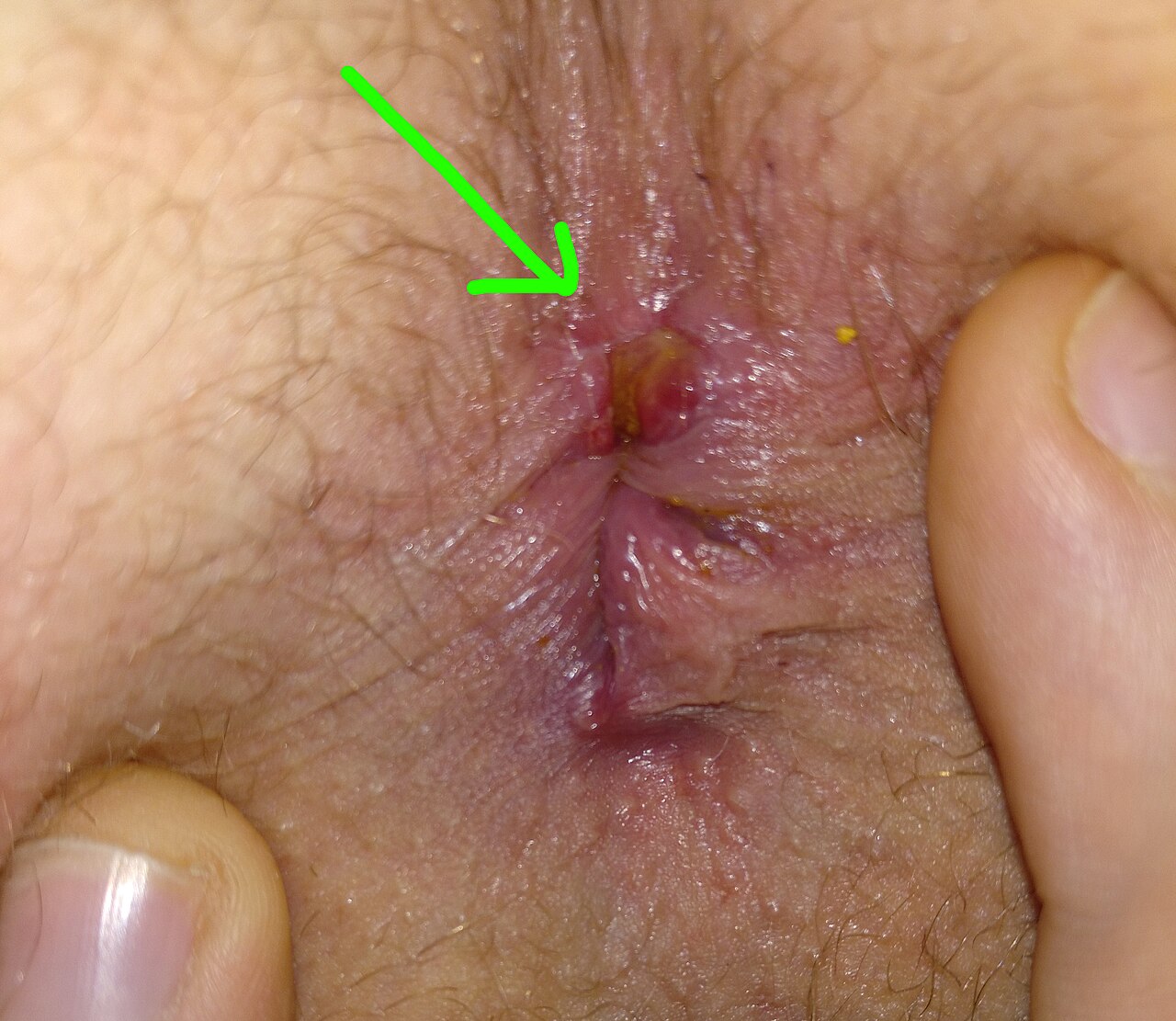
An anal fissure is a linear tear in the lining of the distal anal canal. It most often causes intense, sharp pain during and after bowel movements and may produce a small amount of bright red blood on the stool or toilet paper. Fissures can occur at any age, from infants to older adults, and are usually benign but can become persistent if the underlying cause is not addressed.
Image gallery
4 Images


Typical features and symptoms
The classic symptom is severe pain that begins with a bowel movement and can persist for minutes to hours. Other common features include:
- Bleeding: small amounts of bright red blood on the surface of stool or on toilet paper.
- Spasm: reflex contraction of the internal anal sphincter that increases pain and may slow healing.
- Local signs: a visible tear on inspection, often in the posterior midline; chronic fissures may show a sentinel tag or hypertrophied anal papilla.
- Behavioral effects: fear of pain leads to stool withholding, harder stools, and worsening symptoms.
For more on the characteristic pain, see sharp anal pain, and for pain timing with bowel movements see defecation.
Causes and contributing factors
Most fissures result from trauma to the anal mucosa, commonly from passing hard or large stools. Straining during bowel movements, chronic constipation, and repeated diarrhoea are frequent contributors. Other factors include childbirth, anal intercourse, or local inflammation from conditions such as Crohn's disease. Simple measures that reduce tissue blood flow or increase sphincter tone also hinder healing. Efforts to avoid constipation—such as increasing dietary fiber and fluids—are central because constipation is a common precipitant.
Diagnosis and when to seek care
Diagnosis is usually made by direct inspection of the anus during a brief examination. Acute fissures are often apparent without instruments; chronic or deep lesions may need gentle anal inspection or anoscopy performed by a clinician. Persistent or atypical fissures (for example, those off the midline, multiple fissures, or lesions that do not respond to treatment) require further evaluation to exclude underlying disease such as inflammatory bowel disease or infection.
Treatment and prognosis
Initial management focuses on breaking the cycle of pain, sphincter spasm and impaired healing. Conservative measures include softening stools with fiber and laxatives, using warm sitz baths to relax the sphincter, topical analgesics, and avoiding straining. Many acute fissures heal within weeks with these measures. When conservative care fails, topical medications that relax the internal sphincter (nitrate or calcium-channel blocker creams) or botulinum toxin injections can promote healing. Surgical options, chiefly lateral internal sphincterotomy, are effective for chronic or refractory fissures but carry a small risk of incontinence and are reserved for selected patients.
Prevention and notable facts
Preventive steps emphasize regular, soft bowel movements: adequate fiber, hydration, exercise and prompt attention to stooling habits. Good perianal hygiene and avoidance of excessive wiping or harsh soaps help protect the skin. While fissures are usually straightforward and non‑serious, recurrence is possible until contributing factors are managed. Seek medical evaluation if pain is severe, bleeding is heavy, or symptoms persist despite basic care.
For practical advice, resources and further reading see symptom information, practical guidance about bowel movements at defecation, and lifestyle measures for constipation.
Questions and answers
Q: What is an anal fissure?
A: An anal fissure is a small tear in the anal canal that causes sharp anal pain during and after defecation and can sometimes result in bleeding.
Q: What are the possible causes of an anal fissure?
A: Possible causes of an anal fissure include constipation, too much strain on the anal sphincter, reduced blood circulation, not drying the skin properly after showering or swimming, stretching the skin too much, pregnancy, giving birth, and not changing a baby's diaper in time.
Q: How long does it take for an anal fissure to heal completely?
A: It takes 6 weeks to 3 months for an anal fissure to heal completely.
Q: Can an anal fissure reoccur?
A: Yes, an anal fissure can reoccur because the wound easily opens within the healing period.
Q: What are the symptoms of an anal fissure?
A: The symptoms of an anal fissure include sharp anal pain during and after defecation and bleeding.
Q: Is it clear what causes an anal fissure?
A: It is not completely clear what causes an anal fissure, but possible causes include constipation, strain on the anal sphincter, reduced blood circulation, and other factors.
Q: What is the medical term for anal fissure?
A: The medical term for anal fissure is fissura ani.
Tags
Related articles
Author
AlegsaOnline.com Anal fissure: causes, symptoms, diagnosis, treatment and prevention Leandro Alegsa
URL: https://en.alegsaonline.com/art/3745
Sources
- webmd.com : "Anal Fissure-Topic Overview"
- fascrs.org : "Anal Fissure | ASCRS"
- proktos.info : "Proktos.info | Anal fissure"