
Fremantle, Western Australia: port city, history and cultural hub
Fremantle is a historic port city at the mouth of the Swan River near Perth, Western Australia, known for its maritime heritage, colonial architecture, creative scene and markets.
Overview
Fremantle is a coastal port city in Western Australia, located where the Swan River flows into the Indian Ocean. It sits immediately southwest of Perth and functions as the principal ocean gateway for that metropolitan area. The city is home to a compact community, with a population often cited around 26,000 residents, and it combines working docks with residential neighbourhoods, cafes and cultural venues.
Image gallery
10 Images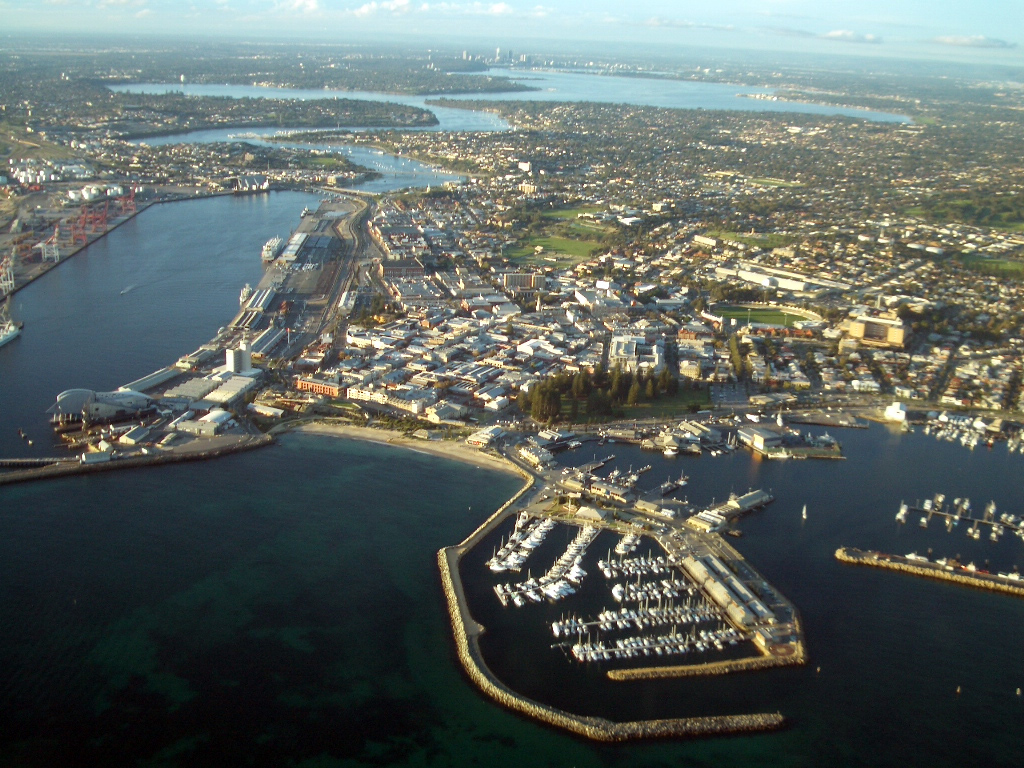





History and founding
Fremantle was established during the early period of European settlement in the region when English mariners and settlers arrived and founded the Swan River Colony. The first European landing at the site occurred in 1829, the year often given for the city's founding; this arrival is associated with English expeditions and colonists who began to occupy the area. The town was named for Captain Charles Fremantle, the naval officer in command of the first British party to anchor in the harbour.
Maritime role and development
From its earliest decades Fremantle has served as a major maritime centre for Western Australia. Its harbour facilities supported colonial trade, passenger shipping and, in later years, modern cargo operations. The city also reflects an important convict-era chapter: 19th-century prisons and work sites were established nearby when transported labour and infrastructure projects were common. Fremantle’s waters and docks have long influenced its character, economy and urban form.
Culture, economy and daily life
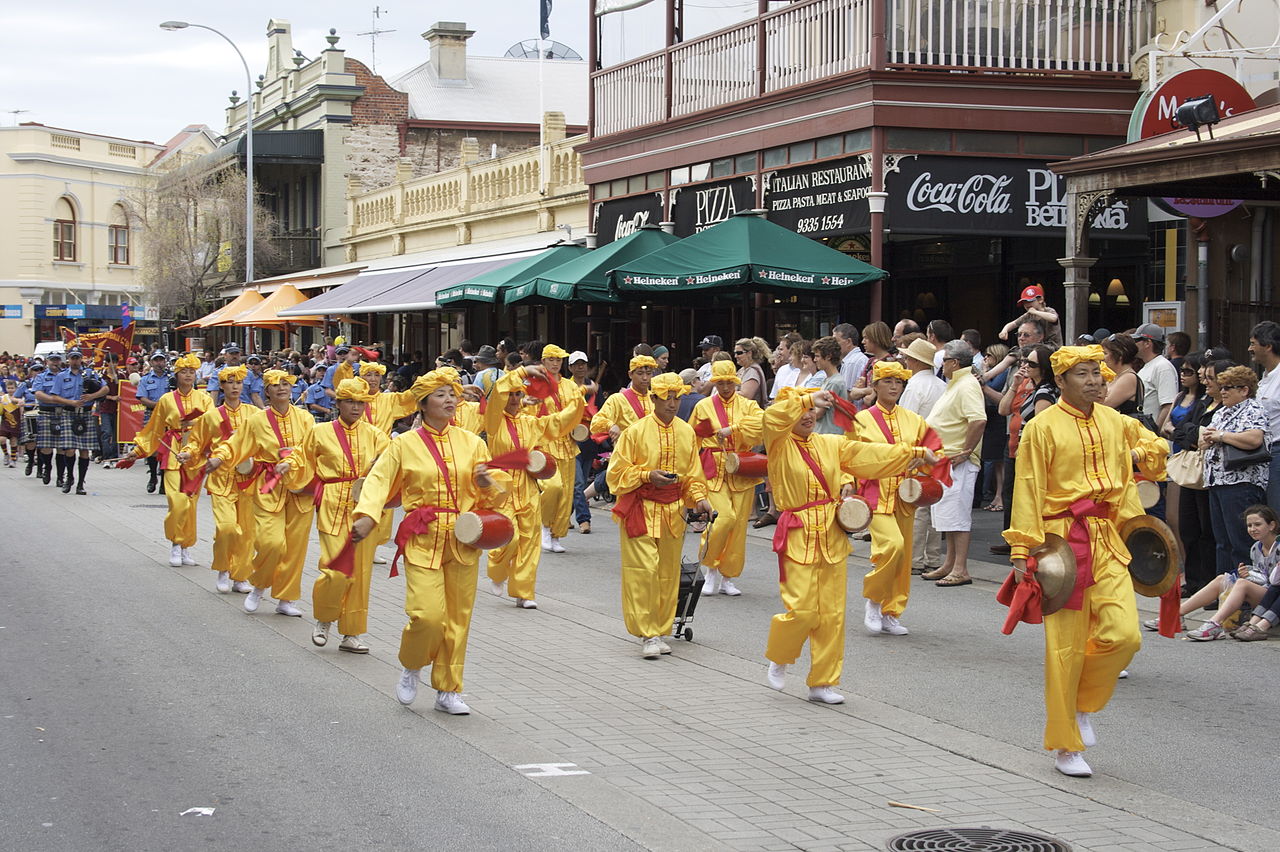
Today Fremantle blends heritage and contemporary culture. The local economy mixes port activities, tourism, creative industries, small-scale manufacturing and hospitality. Markets, live music, galleries and festivals contribute to a lively street-level atmosphere. Many visitors and residents are drawn to the waterfront eateries, independent shops and an active calendar of events that highlights the city’s maritime and multicultural roots.
Notable places
- The Round House and historic harbour precinct, which speak to early colonial days and navigation.
- Former prison sites and other heritage buildings that illustrate 19th-century architecture and penal history.
- Maritime museums and interpreted docklands that explain shipping, naval and immigrant stories.
- Markets and the cafe-lined streets often called the "Cappuccino Strip," popular with locals and tourists.
Transport, governance and identity
Fremantle is integrated into the wider Perth metropolitan area by road and rail links, and it remains a vital node for coastal transport and recreational boating. The city is governed as part of local municipal structures within the state of Western Australia and retains a distinct identity rooted in seafaring, trade and multicultural settlement. Its combination of preserved historic fabric and an energetic contemporary scene makes Fremantle a prominent cultural and economic centre on Australia’s west coast.
English settlers and the date 1829 are often referenced in histories of the town’s beginnings; for more detailed exploration of documents and archives related to Fremantle consult local and state repositories and interpretation centres. For summaries and visitor information see the city’s official guides and interpretive museums (port resources and state cultural pages).
Related articles
Author
AlegsaOnline.com Fremantle, Western Australia: port city, history and cultural hub Leandro Alegsa
URL: https://en.alegsaonline.com/art/36567