
Freeport (Grand Bahama) — city, free trade zone and port
Freeport is a city and free trade zone on Grand Bahama, established after 1955 under the Hawksbill Creek agreement. It is a regional hub for shipping, tourism, and industry administered by the GBPA.
Overview
Freeport is the principal urban center on Grand Bahama Island and one of the Bahamas' major economic hubs. Founded as a planned development and designated free trade zone, it combines port facilities, tourist amenities and light industry. Over the decades Freeport has grown from sparsely populated pineyard and mangrove into the nation’s second-largest city by population, serving both residents and visitors with commercial, transport and recreational services.
Image gallery
10 Images




Geography and infrastructure
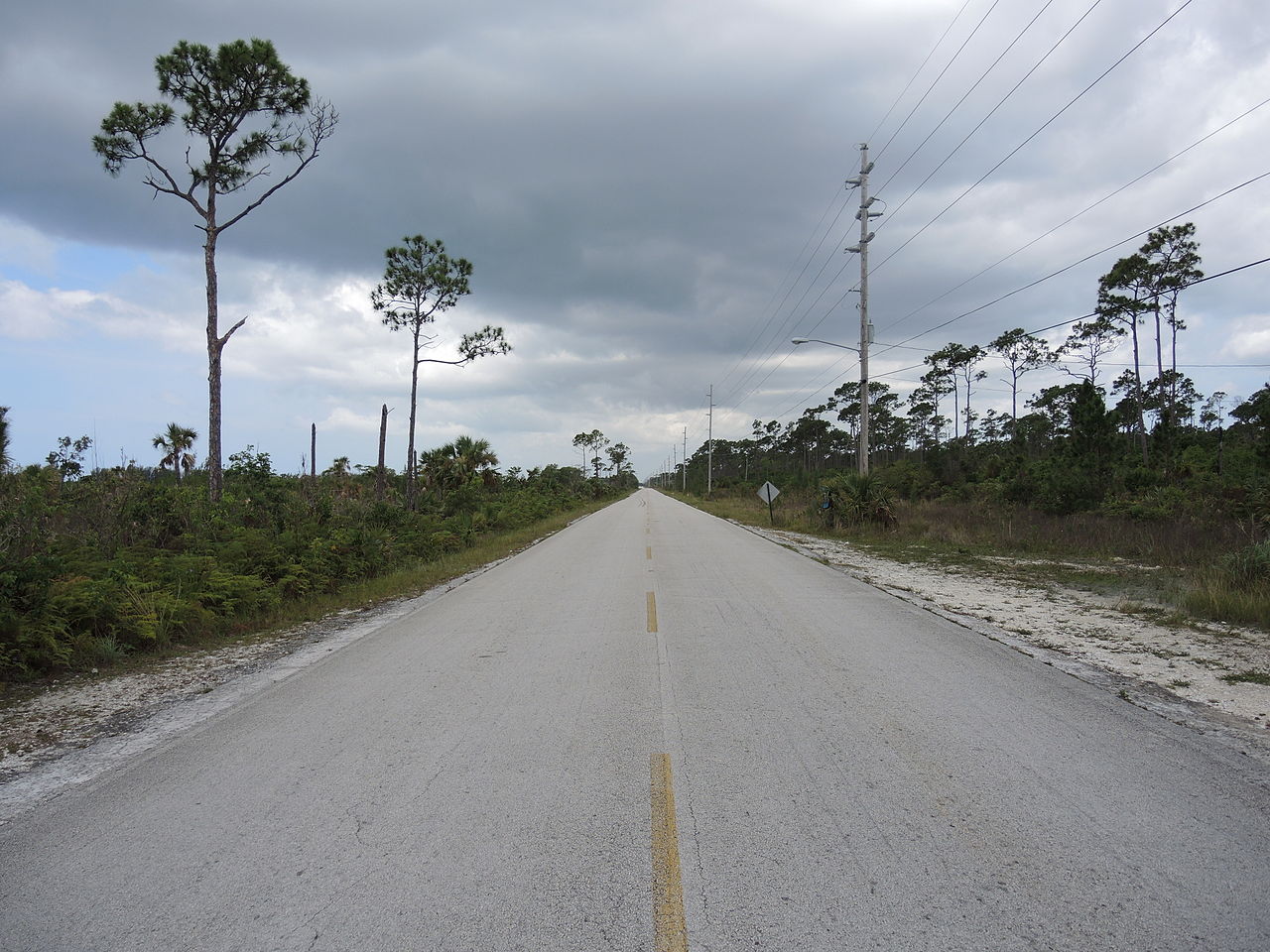
The city occupies a coastal plain on the island’s northern shore and includes harbor areas, commercial districts and residential neighborhoods. Its infrastructure features an international airport, maritime terminals for cargo and cruise ships, and road links that connect scattered communities and resort areas. The main air gateway is the Grand Bahama International Airport (Grand Bahama International Airport), which supports both commercial and private flights. Port facilities near Freeport handle container traffic and regional shipping, underpinning the island’s role in trade.
History and legal status
Development of Freeport began in the mid-20th century when a large tract of largely undeveloped land was granted to a private developer to stimulate economic growth. The initiative was led by financier Wallace Groves and formalized under an agreement with the Bahamian government. The resulting Hawksbill Creek arrangement established a special jurisdictional area with long-term tax concessions intended to attract investment and create jobs. The enterprise was administered by the Grand Bahama Port Authority (GBPA), and the landholdings associated with the project were expanded after the initial grant to accommodate the developing city and industrial zones.
Economy and uses
Freeport’s economy rests on several interlocking sectors:
- Port and logistics: maritime terminals and container handling support trade across the region.
- Tourism: resorts, retail centers, and excursions to nearby marine and natural attractions draw visitors.
- Light industry and commerce: manufacturing, distribution, and services take advantage of the zone’s business incentives.
These activities are supported by local retail areas such as Port Lucaya and recreational sites that highlight the island’s beaches and marine environment.
Administration and agreements
The Grand Bahama Port Authority oversees planning, utilities and the special economic arrangements that characterize Freeport. The original pact that enabled the free trade zone—and the broad tax concessions associated with it—was concluded in 1955. Over time the arrangement and the GBPA’s responsibilities have been central to how the city is governed and promoted as an investment destination. For background on the 1955 arrangements and subsequent governance, see summaries of the Hawksbill Creek framework (Hawksbill Creek Agreement) and related Bahamian statutes (Bahamian government sources).
Notable facts and recent events
Freeport has periodically faced challenges, including severe storm damage; notably Hurricane Dorian in 2019 caused extensive destruction across Grand Bahama, prompting large-scale recovery and rebuilding efforts. Despite such setbacks, the city remains important to the Bahamas for employment, commerce and access to international markets. Its blend of port activity, tourism assets and special economic status continues to shape the island’s development and prospects.
Related articles
Author
AlegsaOnline.com Freeport (Grand Bahama) — city, free trade zone and port Leandro Alegsa
URL: https://en.alegsaonline.com/art/36523
Sources
- britannica.com : "Freeport Grand Bahama"