
Freetown Christiania — autonomous district and cultural enclave in Copenhagen
Christiania is a self-declared intentional community in Copenhagen established in 1971. Known for alternative living, arts, and a contested legal status, it remains a notable social and cultural experiment in Denmark.
Overview
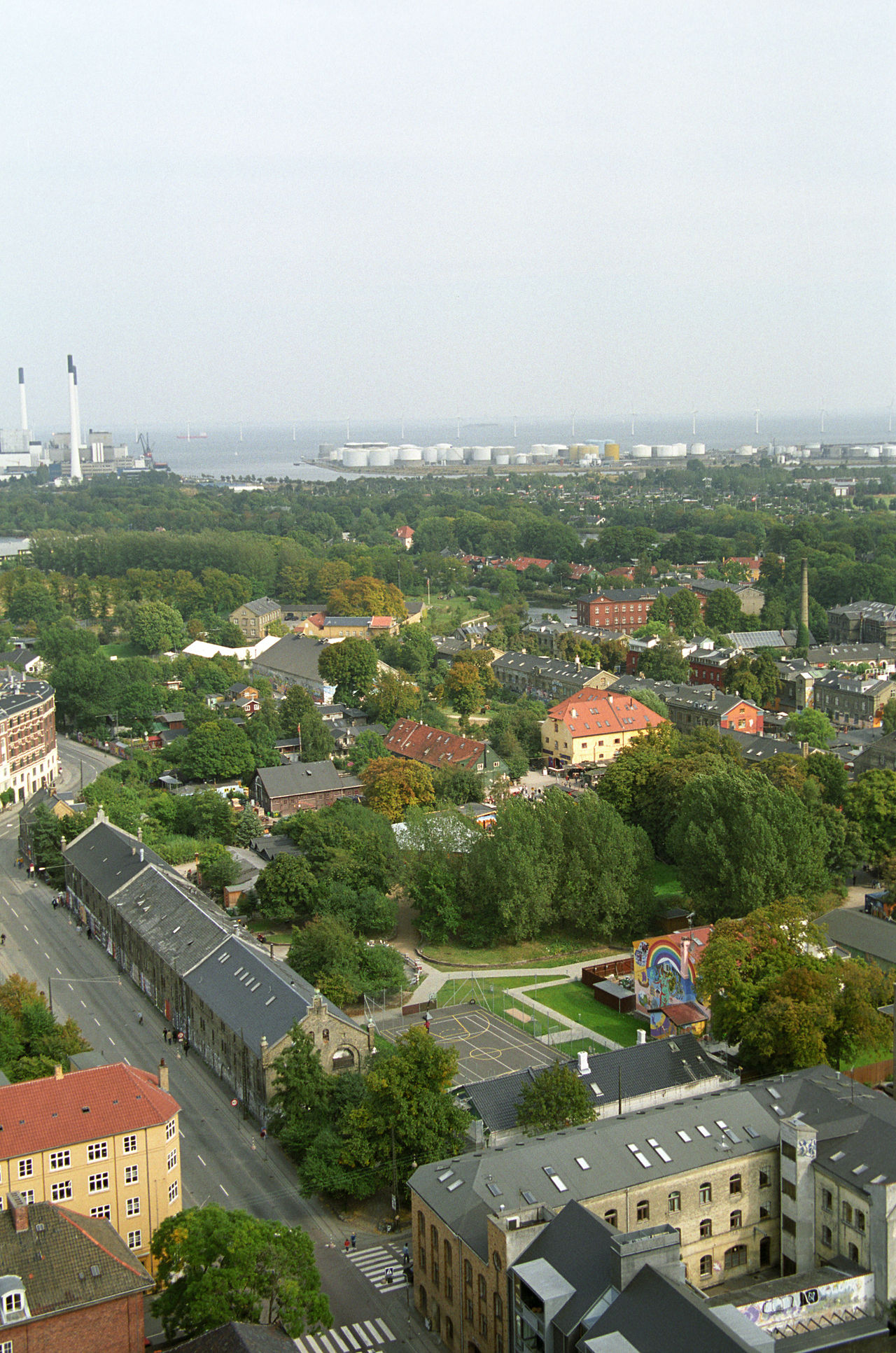
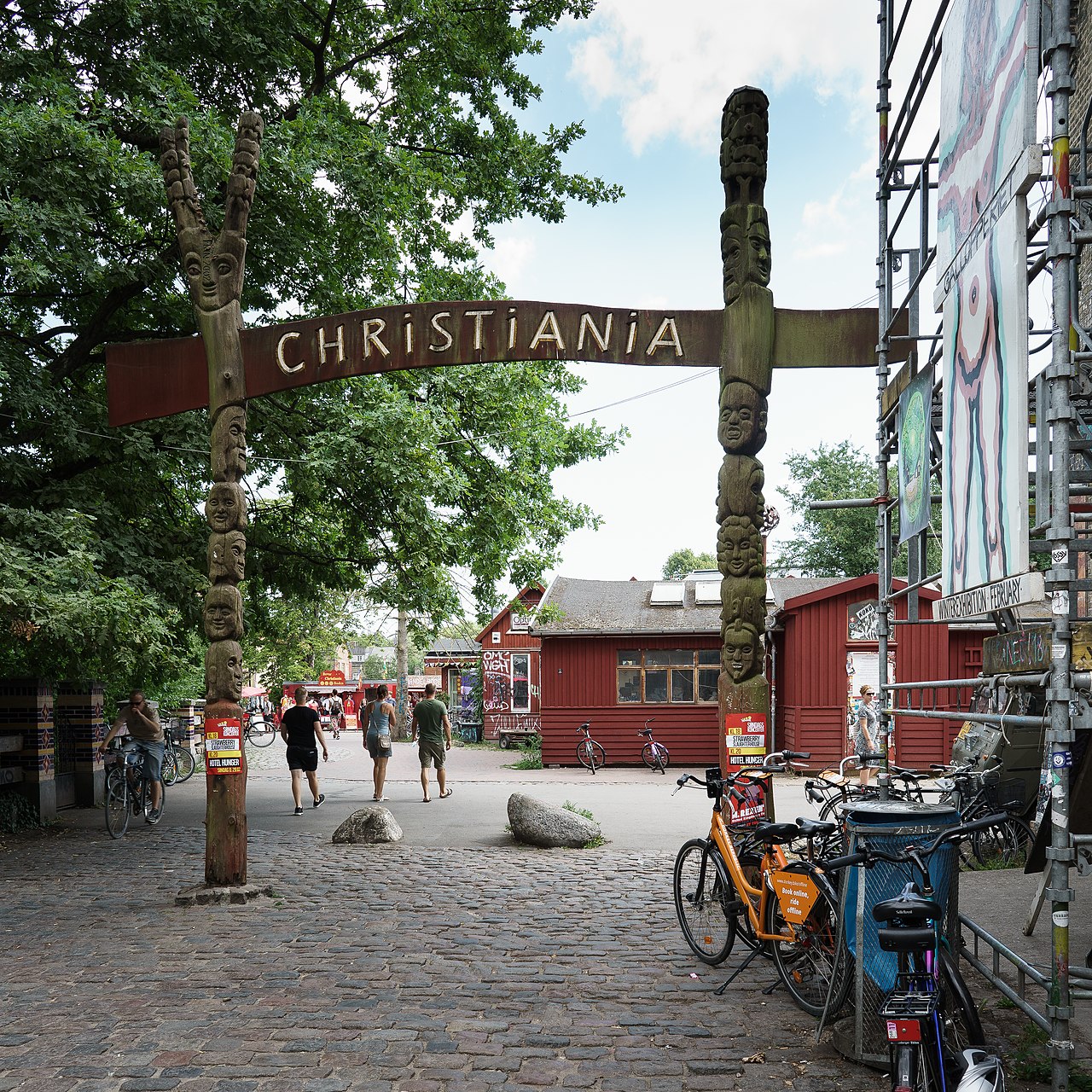
Freetown Christiania, often shortened to Christiania, is a self-styled intentional community and neighborhood in Denmark near the city of Copenhagen. Founded in 1971 on an abandoned military site, the area covers about 85 acres and houses roughly 850 residents, sometimes called "Christianites." It combines residential spaces, workshops, cafés, venues and small businesses within a semi-autonomous framework.
Image gallery
9 Images





Origins and development
Christiania began when a group of squatters and activists occupied a disused barracks and surrounding land in 1971, creating an alternative model of communal living and urban reuse. Over decades the community evolved from improvised shelters and collective projects into a more established neighborhood with hand-built houses, public art, and organized services. Its foundation reflected wider 1960s–70s countercultural movements and debates about urban space and housing.
Organization and daily life
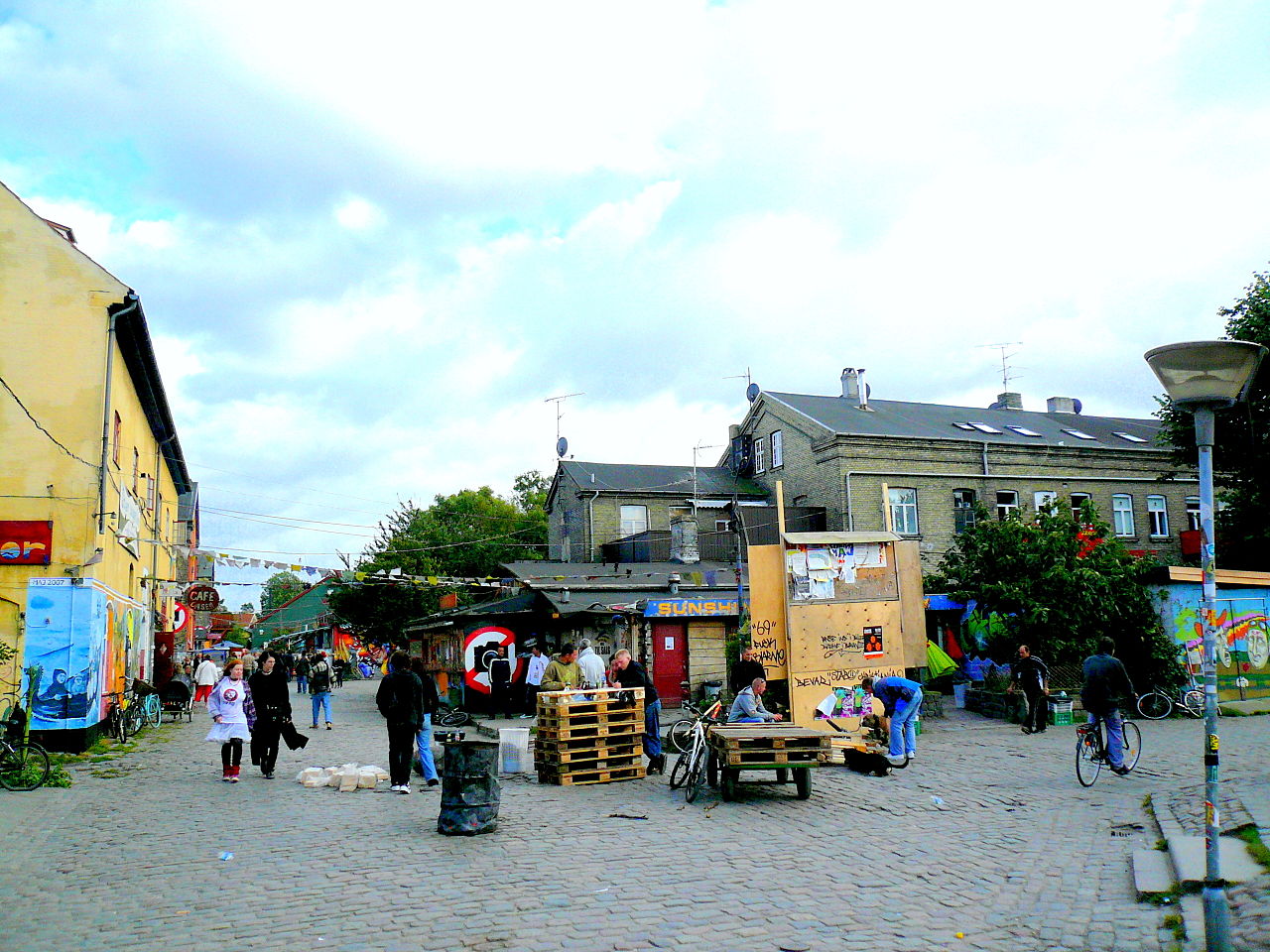
Rather than following typical municipal structures, Christiania has relied on local councils, consensus decision-making and informal rules developed by residents. The area hosts craft workshops (carpenters, blacksmiths), food and drink outlets, bicycle repair services, and cultural venues such as music clubs. Residents balance communal projects with individual enterprises, and the built environment is notable for creative architecture, murals and repurposed military buildings.
Culture, visitors and economy
Christiania is a well-known cultural attraction for visitors seeking music, street art and alternative culture. It supports a small local economy of cafés, restaurants and performance spaces that regularly host jazz, blues and other live music. Many creative enterprises operate on-site, and the community has become an emblem of DIY culture and urban experimentation.
Controversies and legal status
The community’s informal status has led to ongoing negotiations and occasional conflicts with Danish authorities since its creation. For many years cannabis was openly sold in parts of Christiania, a situation that generated repeated police interventions and public debate; the tolerance around cannabis changed notably after national policy shifts in and around 2004. Issues around land ownership, policing and plans for formal recognition have been prominent in public discussions and media reports, and the community’s relationship with the state remains an important part of its story.
Notable facts and visiting
- Christiania was established in 1971: see contextual resources at sources on the founding.
- It sits within Denmark; information and regulations often involve municipal and national bodies: Denmark.
- The neighborhood combines residential life with cultural events, workshops and local businesses.
Despite recurring controversy, Christiania endures as a visible experiment in alternative urban living. Its history illustrates tensions between grassroots community organization and formal legal frameworks, and it continues to attract attention for both its cultural output and its unique approach to shared space.
Questions and answers
Q: What is Freetown Christiania?
A: Freetown Christiania is a Danish special community near the capital of Denmark, Copenhagen, with 850 inhabitants and an area of 85 acres.
Q: How is Freetown Christiania governed?
A: Freetown Christiania is partially self-governing.
Q: When was Freetown Christiania created?
A: Freetown Christiania was created in an empty military area in 1971.
Q: What controversies has Freetown Christiania been involved in?
A: Freetown Christiania has often been in the centre of controversies since its creation in 1971.
Q: Was the use of cannabis legal in Freetown Christiania?
A: Yes, cannabis was legal in Freetown Christiania until 2004.
Q: What are inhabitants of Christiania called?
A: Inhabitants of Christiania are called "Christianites".
Q: What kind of businesses can be found in Freetown Christiania?
A: Freetown Christiania is home to several businesses such as carpenters, blacksmiths, a bikeshop, as well as several cafes, restaurants, jazz, blues, and night clubs.
Related articles
Author
AlegsaOnline.com Freetown Christiania — autonomous district and cultural enclave in Copenhagen Leandro Alegsa
URL: https://en.alegsaonline.com/art/36536