
International Ice Hockey Federation (IIHF)
The IIHF is the global governing body for ice and in-line hockey, organizing world championships, maintaining the world ranking and coordinating international rules, tournaments and development with national federations.
Overview
The International Ice Hockey Federation, commonly abbreviated IIHF, is the principal international organization responsible for the governance of ice hockey and in-line hockey. Founded in 1908, the federation brings together national associations to coordinate international competition, harmonize playing rules for international events and maintain the IIHF World Ranking. The federation is known in French as the Ligue Internationale de Hockey sur Glace and it oversees the sport’s international calendar and technical standards for on-ice play and officiating across disciplines.
Image gallery
4 Images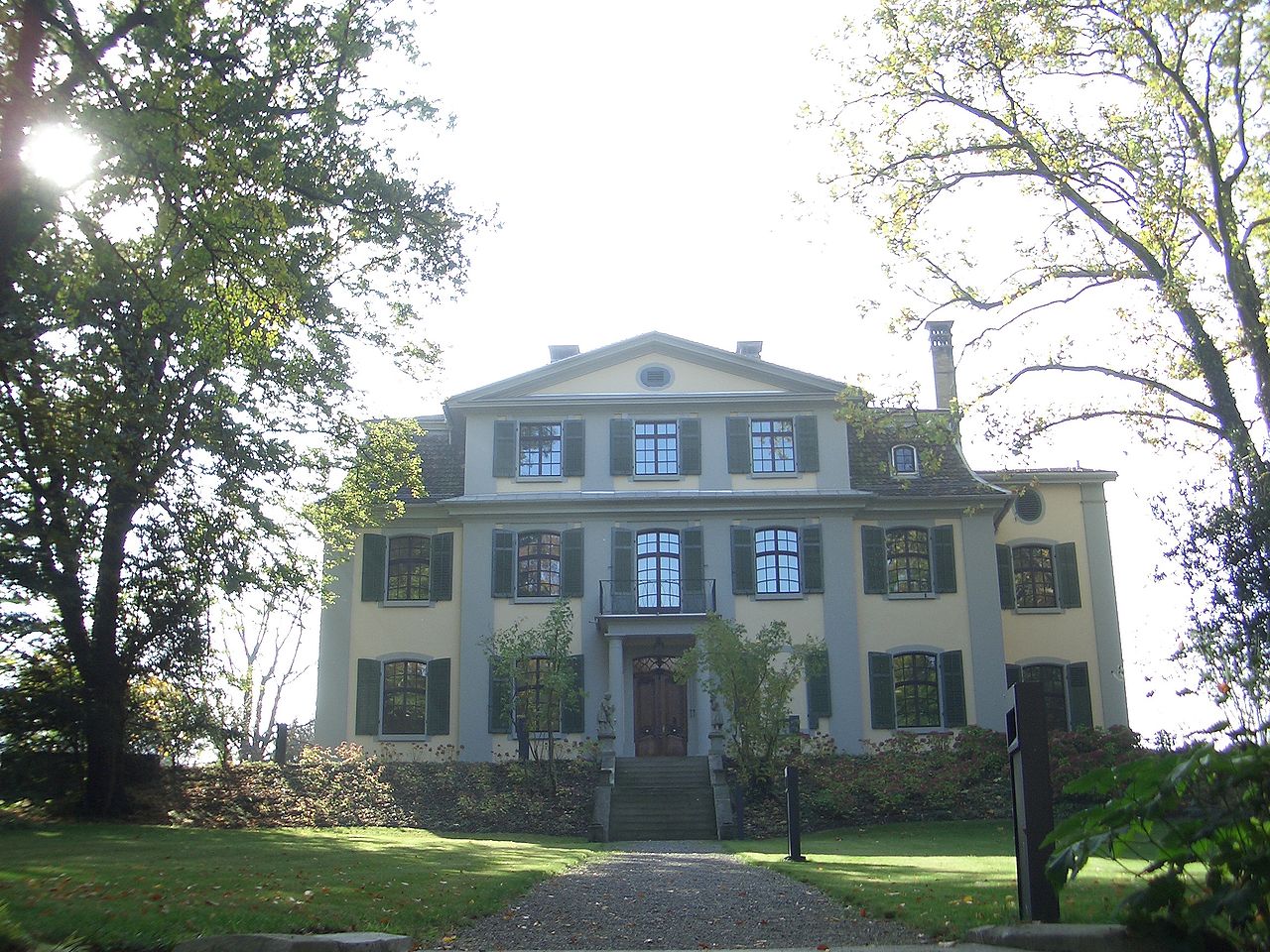


History and early development
The IIHF grew out of early 20th century efforts to organize international matches and tournaments. Its membership expanded steadily through the decades as ice hockey spread beyond its traditional strongholds. While the federation’s most visible role is event management, it also preserves the sport’s heritage and records. The centennial of the federation’s founding was marked by special events and an increased international profile for IIHF competitions. Over time the IIHF developed rules, disciplinary procedures and eligibility guidelines that apply at IIHF tournaments and inform many national practices.
Membership, headquarters and governance
The IIHF is headquartered in Zurich, Switzerland (see location) and comprises more than seventy national member federations. Its governance structure typically includes a biennial congress, an executive council and a president, supported by committees that handle refereeing, rules, medical matters and development. The federation works to promote the sport at all levels, from grassroots development to elite international competition, and it provides technical assistance and educational programs to member associations.
Tournaments, rankings and national teams
The federation organizes and sanctions a wide range of international tournaments. The most prominent are the Men's and Women's World Championships and a series of age-group world championships that serve as key development and scouting events. The IIHF maintains the World Ranking, a points-based system that aggregates results from IIHF-sanctioned events to compare national teams and to determine seeding and qualification for certain competitions and events. In addition to world championships, the IIHF certifies rules and equipment standards used at sanctioned tournaments.
Relationship with North America and professional clubs
Although the IIHF is recognized as the worldwide governing body for the sport, its direct authority varies by region. In North America regional structures and professional leagues exercise strong influence over how the sport is organized domestically. The National Hockey League (NHL) is the leading professional league, and longstanding arrangements between leagues, clubs and national federations mean the IIHF’s authority in day-to-day professional matters is limited. The federation collaborates with European national bodies and domestic leagues where its institutional presence is more extensive (Europe), while continuing partnerships with member federations in Canada (Hockey Canada) and the United States (USA Hockey). Canada and the United States maintain their own rulebooks for many domestic purposes but participate in IIHF competitions under the federation’s international rules.
Museum, heritage and partnerships
The IIHF has taken steps to preserve and present the history of international ice hockey. In the 1990s the federation maintained exhibits within the International Hockey Hall of Fame in Kingston (Kingston), before arranging for its collection to be shown within the Hockey Hall of Fame in Toronto (Hockey Hall). The IIHF museum relocated to Toronto (Toronto, Ontario) in the late 1990s, providing a curated display of trophies, artifacts and archival materials that document international competition and milestones.
Dispute resolution, rules and development work
The federation establishes technical rules, officiating standards and anti-doping policies for its competitions and supports development programs aimed at growing the sport in emerging hockey nations. Decisions of IIHF bodies can be appealed through sport-specific arbitration; unresolved cases may be taken to the Court of Arbitration for Sport in Lausanne (CAS) under applicable procedures. Through coaching education, youth tournaments and outreach, the IIHF seeks to balance elite competition with broader development goals, encouraging participation and improving competitive parity among its members.
- Scope: international governance for ice and in-line hockey, event organization and technical oversight.
- Major functions: world championships, world ranking, rules and referee education, anti-doping and development programs.
- Distinctive features: strong European base of influence, collaboration and occasional tension with major North American professional organizations, and stewardship of international competition and heritage.
Questions and answers
Q: What is the International Ice Hockey Federation?
A: The International Ice Hockey Federation (IIHF) is a worldwide governing body for ice hockey and in-line hockey, based in Zurich, Switzerland. It has 70 members and is responsible for the management of international ice hockey tournaments, and maintaining the IIHF World Ranking.
Q: How much control does the IIHF have over North American hockey?
A: The IIHF has little control of hockey in North America, where the National Hockey League (NHL) is the highest hockey organization. Its base of power rests in Europe with the respective national governing bodies and leagues. Canada (Hockey Canada) and the United States (USA Hockey) are the only members who have their own rulebooks.
Q: Where was the IIHF museum located prior to 1997?
A: The IIHF museum was located within the International Hockey Hall of Fame Museum located in Kingston, Ontario from 1992 to 1997.
Q: What happened after 1997 with regards to housing for the IIHF museum?
A: After terminating its partnership with International Hockey Hall of Fame, it signed an agreement with NHL to house its museum within Hockey Hall of Fame. In 1998, it relocated to Toronto, occupying over 3,500 square feet (330 m2).
Q: Where was 2008's IIHF World Championship held?
A: As part of centennial celebrations of founding of IIFH, 2008's championship was hosted in Canada - perennial leaders of sport - for first time ever.
Q: Who won 2008's World Championship?
A: Russia won 2008's World Championship.
Related articles
Author
AlegsaOnline.com International Ice Hockey Federation (IIHF) Leandro Alegsa
URL: https://en.alegsaonline.com/art/47664
Sources
- iihf.com : "IIHF mission statement"
- internationalhockey.net : "International hockey and the olympics"
- icehockeyfederation.com : IIHF and Europe