
Frankfurt Stock Exchange (Frankfurter Wertpapierbörse)
Germany's largest securities exchange, based in Frankfurt. Operated by Deutsche Börse, it hosts electronic trading (Xetra), major indices such as the DAX, and multiple listing segments.
Overview
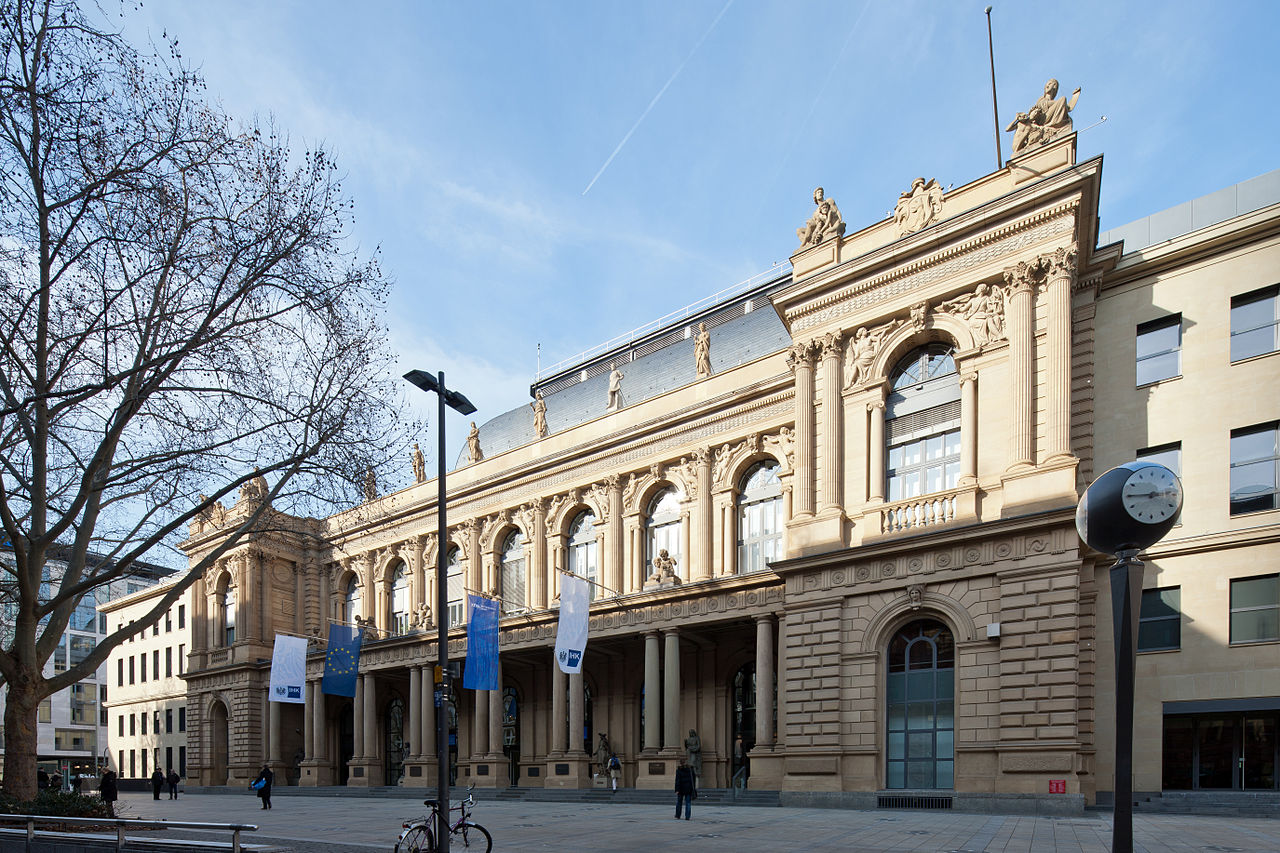
The Frankfurt Stock Exchange, known in German as the Frankfurter Wertpapierbörse, is the principal securities market in Frankfurt, Hesse. It is the largest exchange in Germany by trading volume and number of listed companies and functions as a central venue for equity, bond and exchange-traded product trading in Europe. The term stock exchange is commonly used to describe its trading platforms and market services.
Image gallery
5 Images


History and development
Origins of organized trading in Frankfurt date back several centuries, with merchant and commodity trading evolving into formal securities dealings. Over time the market modernized into a regulated exchange, adopting electronic trading systems and integrating with international capital markets. In recent decades the exchange has shifted much activity onto digital trading platforms while retaining an open outcry tradition in its historical trading hall.
Structure and trading
Today the Frankfurt market is part of a broader financial group that operates electronic trading systems, clearing houses and settlement services. Trading takes place on major electronic platforms designed for different instruments: equities and ETFs are frequently traded on the central electronic order book, while separate venues handle derivatives and fixed income products. Post-trade services and clearing are provided within the same group to ensure settlement and risk management.
Indices and market significance
The exchange is home to nationally and internationally followed indices that track market performance. These indices include a flagship blue‑chip benchmark and several mid‑cap and sector indices that investors use as performance references and as underlyings for index funds and derivatives. Because of its depth and liquidity, the Frankfurt market plays a key role in price discovery for German and many European securities.
Listing segments and regulation
Companies may choose different listing segments depending on their reporting and transparency commitments, with higher tiers aimed at firms seeking broad international investor access. Listings require adherence to market rules and to oversight by national financial regulators, ensuring disclosure, corporate governance and investor protection. The exchange supports a range of issuers from large industrial groups to smaller growth companies.
Uses, examples and notable facts
Investors use the Frankfurt market for direct share trading, ETFs, bonds and as a venue for placing larger institutional orders. Its indices serve as benchmark references for asset managers, and many international products reference prices established on the exchange. The organisation’s combination of electronic trading, clearing services, and defined listing standards underpins its role as a central hub in European capital markets.
- Main trading platforms: central electronic order book and specialized derivatives venues.
- Typical instruments: equities, bonds, ETFs and derivatives.
- Roles: primary market for listings and secondary market for trading, price discovery and liquidity.
Related articles
Author
AlegsaOnline.com Frankfurt Stock Exchange (Frankfurter Wertpapierbörse) Leandro Alegsa
URL: https://en.alegsaonline.com/art/36227