
François Duvalier (Papa Doc): Haitian president and authoritarian leader
Biography and overview of François 'Papa Doc' Duvalier (1907–1971), physician-turned-president of Haiti, his rule, methods of control, exile of bishops, succession and legacy.
François Duvalier (14 April 1907 – 21 April 1971), commonly known as "Papa Doc," was a Haitian physician who became President of Haiti in 1957 and remained in power until his death in 1971. A trained doctor and former public-health official, Duvalier converted his professional image into a political persona and built a personalist regime that is remembered for its mixture of populist rhetoric, authoritarian control and pervasive repression.
Image gallery
5 Images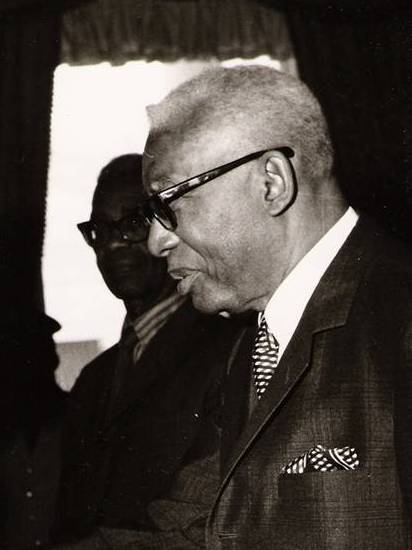
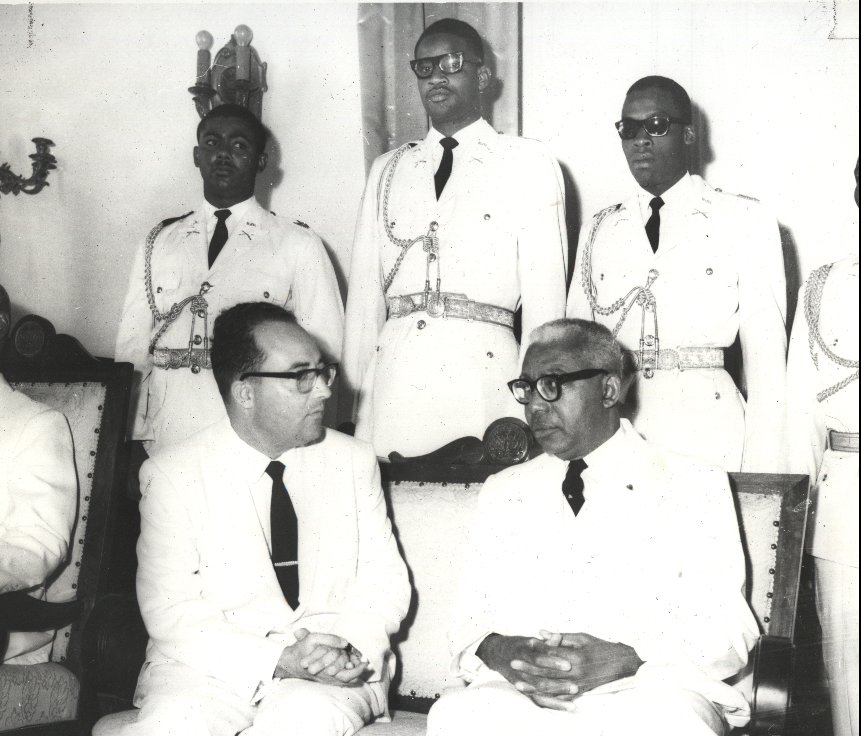


Rise to power and consolidation
Duvalier entered national politics after a career in medicine and government service. Elected president in 1957, he portrayed himself as a defender of the rural poor and of Haitian cultural identity. He moved quickly to weaken rivals, centralize authority and extend his control across state institutions. In 1964 he declared himself "President for Life," a move that formalized an already entrenched personal rule and eliminated regular political competition.
Methods of rule and institutions
Duvalier relied on a combination of patronage, fear and symbolism to govern. He created and empowered a secretive rural militia commonly referred to as the Tonton Macoute, which operated outside normal legal constraints and became a principal instrument of repression. Media censorship, arbitrary arrests and disappearances contributed to a climate of terror that stifled dissent. At the same time he cultivated a cult of personality that blended folklore, racial politics and appeals to nationalism.
Religion, controversy and excommunication
Relations with the Catholic Church were strained during Duvalier's presidency. He took actions against clergy who were seen as politically opposed or foreign-born, leading to conflicts with church authorities. Those disputes culminated in his formal excommunication from the Catholic hierarchy, reflecting a deep rift between Duvalier's regime and an influential social institution in Haiti.
Succession, death and family
Duvalier's family played a visible role in his government. His wife, Simone Duvalier, was a prominent public figure, and upon his death in 1971 his son, Jean‑Claude Duvalier, known as "Baby Doc," succeeded him as head of state. François Duvalier died in Port‑au‑Prince; contemporary reports attributed his death to complications of chronic illnesses including diabetes and heart disease.
Legacy and historical assessment
Historians and human-rights observers characterize Duvalier's presidency as a period of authoritarian consolidation, economic mismanagement and widespread abuses. His rule left deep and lasting impacts on Haitian politics, institutions and civil society. Debates about his tenure focus on the interaction of populist rhetoric with repressive practice and on how his regime shaped the troubled course of Haiti's mid‑20th‑century history.
Key facts
- President of Haiti from 1957 to 1971.
- Nickname: Papa Doc, reflecting his medical background.
- Conflict with the Church authorities led to formal sanctions; relations with the Catholic Church were a notable part of his tenure.
- Expelled or removed some foreign-born clergy and bishops, a contentious policy that provoked international attention (expelled bishops).
- Succeeded by his son Jean‑Claude Duvalier ("Baby Doc").
- Born and died in Port‑au‑Prince, Haiti.
This article summarizes broadly accepted facts about François Duvalier's life and rule. For deeper archival or scholarly studies consult specialized histories, human‑rights reports and primary documents available through academic and governmental sources (official records, national archives).
Related articles
Author
AlegsaOnline.com François Duvalier (Papa Doc): Haitian president and authoritarian leader Leandro Alegsa
URL: https://en.alegsaonline.com/art/36117
Sources
- notablebiographies.com : "François Duvalier Biography"