
Francesco Guicciardini — Italian historian and statesman
Italian Renaissance historian, diplomat, and political thinker (1483–1540). Known for his Storia d'Italia, practical political analysis, and his critical engagement with Machiavelli.
Francesco Guicciardini (6 March 1483 – 22 May 1540) was an Italian historian, diplomat and man of state whose writings helped shape modern approaches to political history. He combined long experience in government with a skeptical, empirical method of inquiry and is often ranked among the leading political writers of the Italian Renaissance. Many scholars have called him a pivotal figure in the development of modern historical writing.
Image gallery
6 Images


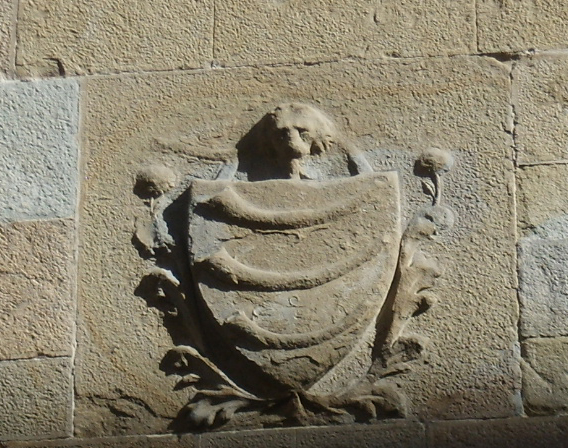

Life and public career
Born into a Florentine noble family, Guicciardini trained in law and quickly entered public service. Over decades he held diplomatic and administrative roles for Florence and for Medici rulers, undertaking embassies and provincial governorships. His practical familiarity with negotiation, court politics and the mechanics of power informed both his private notes and his larger histories. This double career — as practitioner and observer — gives his work a distinct tone of pragmatic counsel.
Major works and themes
Guicciardini wrote several kinds of political prose: long historical narratives, shorter collections of maxims and memoranda, and dialogic or analytic pieces. His best known work is the Storia d'Italia, a multi‑volume narrative that covers Italian events of his lifetime with attention to causes, decisions and consequences. He also left behind Ricordi (maxims and political reflections) and various reports and letters that reveal an interest in statecraft, fortune, personal character and the limits of theory when set against contingent events.
Method and importance
Unlike purely rhetorical or moralizing chronicles, Guicciardini emphasized documentary evidence, eyewitness testimony and a realistic appraisal of motives. He sought to explain why rulers and republics acted as they did by reconstructing negotiations, fiscal pressures and personal ambitions. For this reason some historians regard him as a founder of modern history: his narratives aim at cause‑and‑effect explanation rather than myth or legend.
Relationship with contemporaries
Guicciardini maintained a complex intellectual relationship with other Renaissance thinkers. He corresponded with and critiqued Niccolò Machiavelli, sharing an interest in power and political survival while disagreeing on moral and methodological points. Their exchange illustrates a broader debate in the period over prudence, virtue and the place of fortune in public life. Readers can explore these contrasts and affinities through his writings and through commentary by later scholars.
Legacy and relevance
Today Guicciardini is read both for the rich documentary detail he provides about early 16th‑century Italy and for his reflections on the practice of government. His clear, sometimes skeptical prose has influenced historians and political thinkers who value realistic appraisal of state behavior. Shorter collections of his sayings are still consulted for practical maxims on administration and diplomacy.
Selected features
- Storia d'Italia — extended historical narrative centering on Italian politics and wars.
- Ricordi — aphorisms and advice on governing.
- Extensive diplomatic correspondence and reports that illuminate Renaissance statecraft.
Readers seeking a concise introduction may consult modern overviews that situate Guicciardini within the broader currents of the Italian Renaissance and early modern political thought. See also general studies of Renaissance historiography and the writings of his contemporaries such as Niccolò Machiavelli and resources on the period Italian Renaissance. For further reference to his combined role as scholar and official, see treatments that discuss the figure of the historian and statesman.
Related articles
Author
AlegsaOnline.com Francesco Guicciardini — Italian historian and statesman Leandro Alegsa
URL: https://en.alegsaonline.com/art/36017